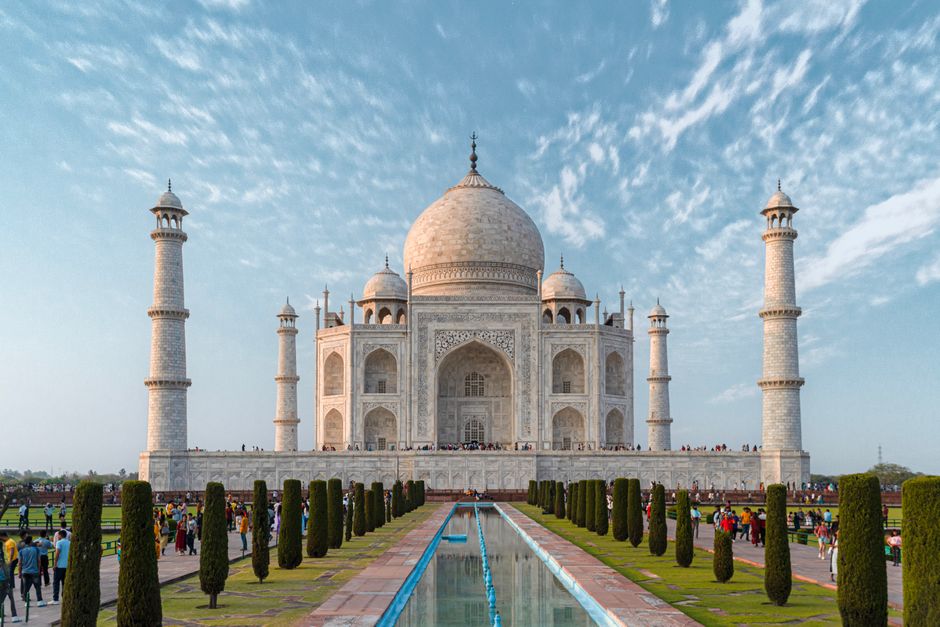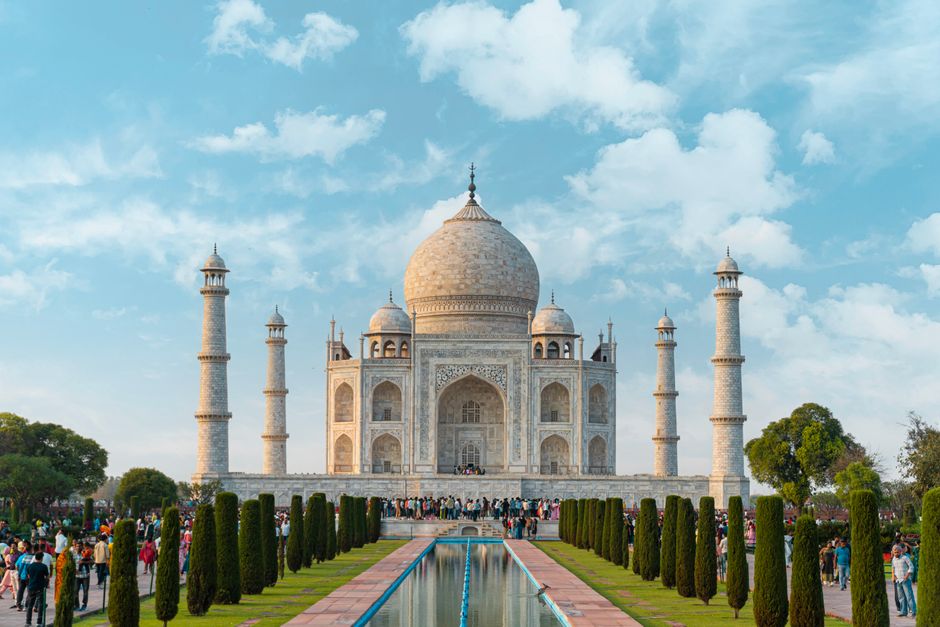


When your India journey budget exceeds the cost of a luxury automobile, the difference between an exceptional luxury travel company and a merely expensive one becomes not just visible—it becomes transformational. At £20,000 or £25,000 per person, you’re not purchasing transportation and accommodation. You’re commissioning an orchestration of experiences that most travellers don’t know exist—and many couldn’t access even if they did. The question isn’t whether India will be extraordinary. The question is whether your travel partner possesses the expertise, relationships, and operational architecture to deliver the India that exists beyond guidebooks, beyond five-star predictability, beyond what money alone can buy.
The distinction matters because India rewards depth. Surface-level luxury—palatial hotels, air-conditioned comfort, polished service—represents the entry point, not the achievement. What separates truly exceptional companies from expensive tour operators is their capacity to reveal layers of access, authenticity, and understanding that transform a holiday into something closer to privileged residency. This is bespoke travel planning in its truest form: not customisation of standard offerings, but complete reimagination of what’s possible when three decades of relationships, cultural fluency, and obsessive attention converge around your specific aspirations.
The Architecture of Bespoke: How Exceptional Companies Design Your Journey
The discovery process begins long before itineraries take shape. An exceptional luxury travel company approaches your India journey as a curator approaches a major exhibition—with patient inquiry, educated listening, and the confidence to ask questions that uncover what you haven’t yet articulated. These aren’t the checklist conversations of ordinary operators (“Which cities interest you?” “Do you prefer heritage or beaches?”). Instead, expect dialogues that span weeks, sometimes months, exploring your travel philosophy, your sensory preferences, the experiences that have moved you elsewhere in the world, and the aspirations you harbour but haven’t voiced even to yourself.
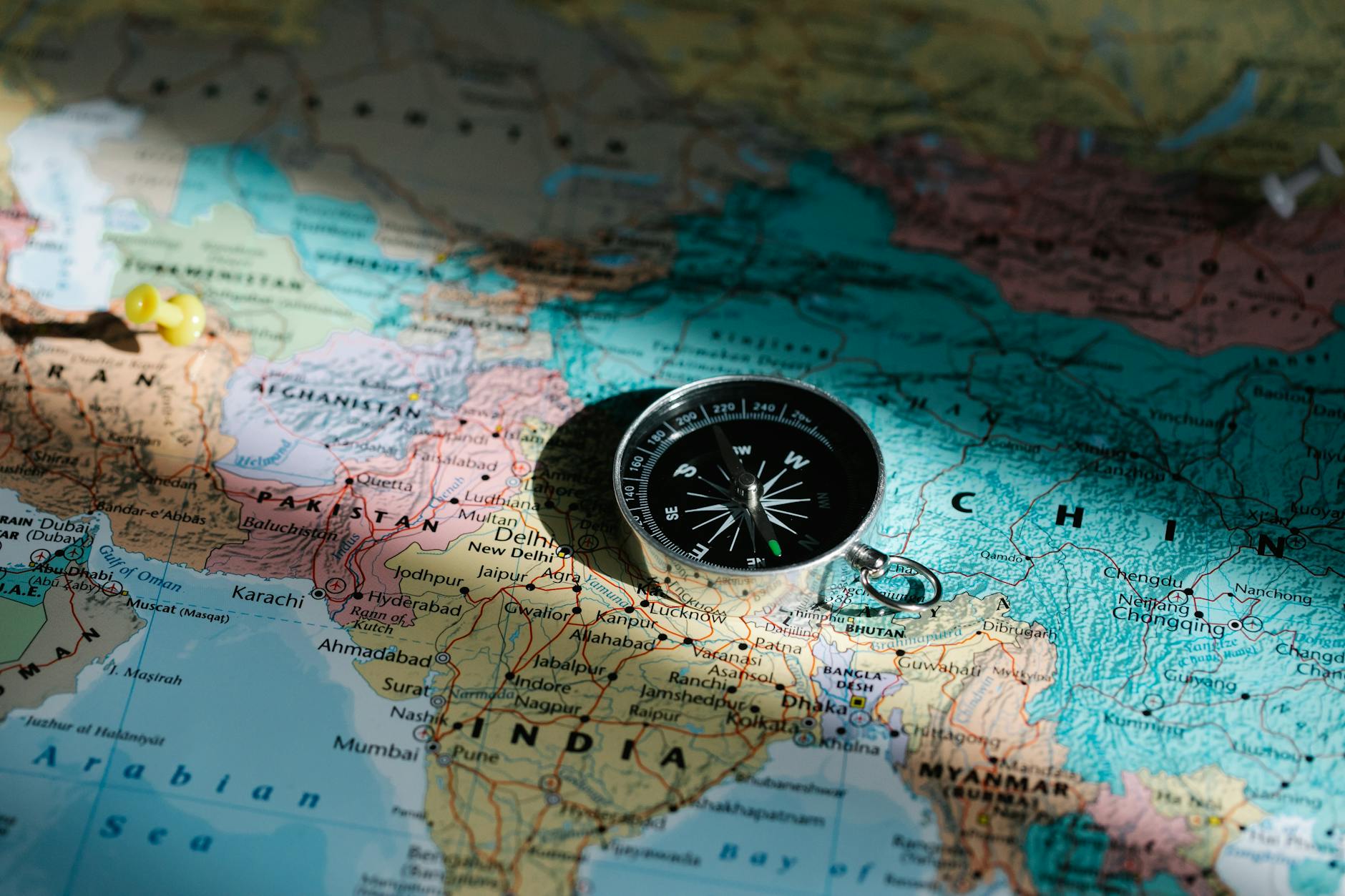
This depth of consultation becomes possible only when companies maintain proprietary intelligence networks across India—relationships with palace custodians who control access to private wings, wildlife biologists who understand leopard movement patterns in specific forest blocks, textile scholars who know which master weavers still practise pre-industrial techniques. These aren’t the guides listed in industry directories. They’re the insiders whose phone numbers represent decades of trust-building, the kind you cannot purchase through commissions or finder’s fees. When your itinerary includes sunrise at a Jain temple accompanied by a scholar who has studied its cosmological architecture for forty years, that’s not exceptional service—that’s what £25,000 should deliver as baseline.
The iterative crafting process that follows operates at a different altitude entirely. Exceptional companies present multiple scenario architectures: the journey optimised for November’s perfect weather versus February’s festival calendar, the route that prioritises wildlife sightings versus the one emphasising textile heritage, contingency protocols if monsoons arrive early or if your teenage daughter discovers a passion for miniature painting in Jaipur and wants to extend. This isn’t flexibility as marketing rhetoric. It’s genuine adaptability encoded into the journey’s DNA, supported by relationships deep enough that a palace can accommodate a last-minute room extension or a renowned chef can adjust their schedule because your arrival timing shifted.
Elite companies begin India itinerary architecture 8-12 months before travel, not to sell you early, but because securing the heritage suites, conservation-oriented tiger camps, and private access permissions requires lead time measured in seasons, not weeks.
The Invisible Infrastructure: Behind-the-Scenes Operations That Define Excellence
What you never see determines what you experience. Behind every seamless moment—the Champagne temperature in your vehicle, the private museum viewing scheduled during perfect afternoon light, the local dignitary who greets you at the fort entrance—stands an infrastructure of coordination that ordinary tour operators simply don’t possess. Exceptional companies deploy dedicated journey management teams for each travelling party: specialists monitoring weather patterns, local festivals, road conditions, and political situations, making micro-adjustments you’ll never notice but would certainly feel if absent.
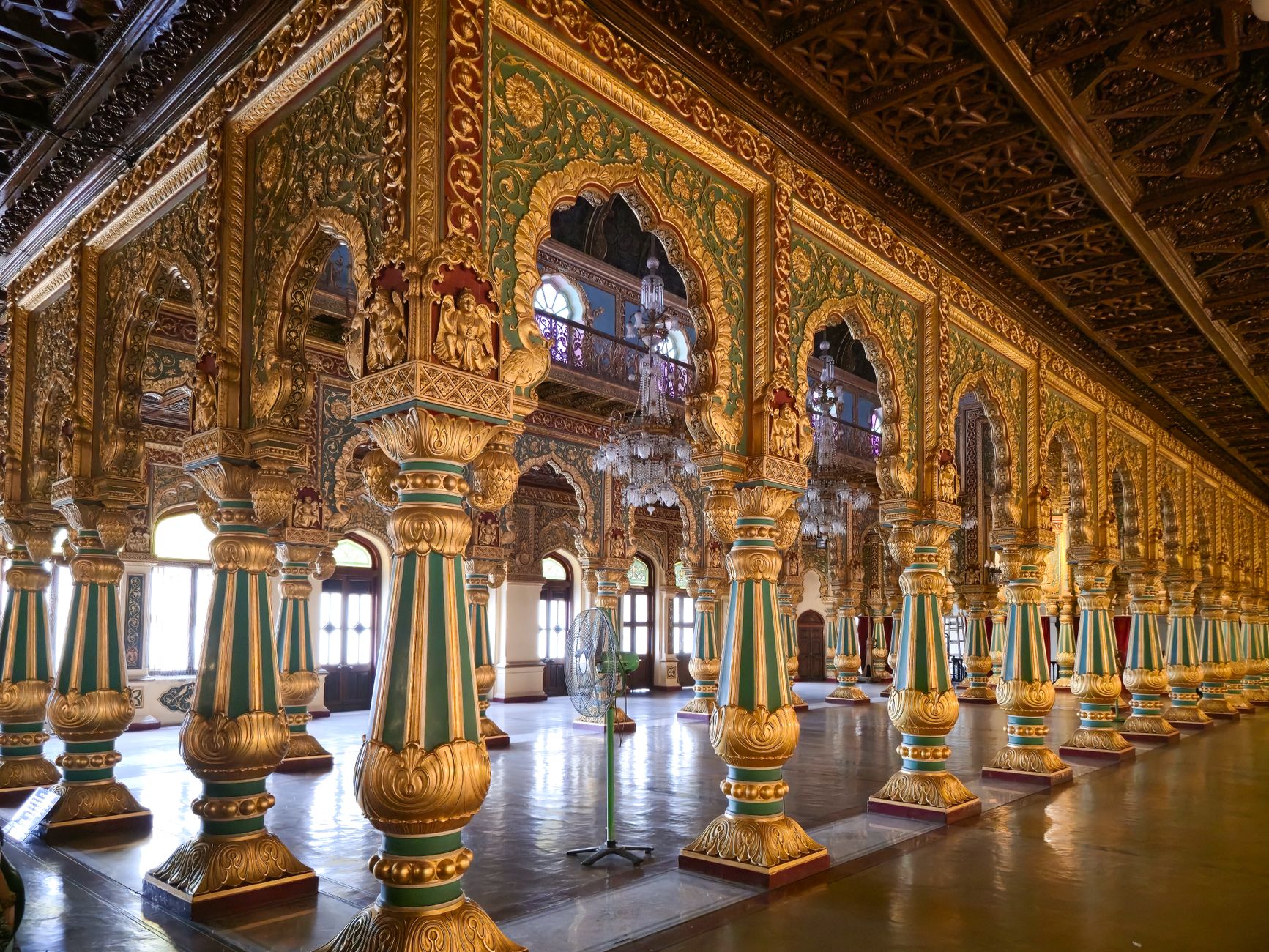
The operational distinction reveals itself in details that protect both experience quality and your substantial investment. Ground intelligence operatives—not guides, but advance scouts—visit locations hours before your arrival, ensuring the lighting suits photography at Fatehpur Sikri’s Buland Darwaza, confirming the crowd levels at Amber Fort warrant the scheduled timing, verifying the chef you’ll meet has indeed returned from his grandmother’s village as promised. This isn’t paranoia. It’s understanding that at this budget level, your holiday timing is finite and precious. If Tuesday morning offers better conditions than Monday afternoon, your itinerary shifts—invisibly, effortlessly, with none of the friction ordinary operators would cite as impossible.
The crisis management architecture matters more for what it prevents than what it resolves. Medical evacuation partnerships with Apollo Hospitals and insurance providers who understand ultra-luxury travel. Embassy-level contacts developed over decades, useful when a volcanic eruption in Iceland affects your return routing or when you need Covid test results authenticated for entry somewhere. Backup plans for backup plans: the alternative palace if your first choice experiences unexpected maintenance, the second Ranthambore zone if the first shows poor tiger activity, the private plane standing ready if your elderly mother’s health requires immediate departure. You’re paying not just for what happens, but for comprehensive protection against what might.
At £20,000 per person, you’re not purchasing transportation and accommodation—you’re commissioning an orchestration of experiences that most travellers don’t know exist and many couldn’t access even if they did.
Access Beyond Commerce: The Relationships That Money Cannot Buy
Here lies the unbridgeable chasm between exceptional luxury travel companies and expensive operators. True access in India—the kind that transforms understanding—flows not from transaction but from decades of relationship cultivation, cultural respect, and demonstrated commitment to preservation and community benefit. When you view miniature paintings in Udaipur’s City Palace private collection after public hours, guided by the curator who has catalogued them for thirty years, you’re benefiting from relationships your travel company has nurtured since before you considered visiting India. These aren’t purchased privileges. They’re earned access, extended to travellers the company trusts to appreciate what they’re being shown.

The same principle governs accommodation at India’s most exclusive properties. Anyone with sufficient budget can book a suite at Udaipur’s Lake Palace or Taj Lake Palace. But the palace wing at Samode with its frescoed private courtyard, available perhaps forty nights annually? The tented camp in Ladakh that hosts only one party at a time and doesn’t advertise publicly? The heritage haveli in Shekhawati where the family still resides and receives guests only through trusted introductions? These exist in a different tier entirely, accessible through first-refusal relationships where properties notify preferred partners before availability reaches wider markets. This represents high-end travel services in their most sophisticated expression: creating access not through premium payments, but through demonstrated stewardship and cultural sensitivity.
Perhaps most valuable is the curator-level expertise that exceptional companies provide—not guides reading from scripts, but genuine specialists who connect you with master block printers in Bagru who learned from fathers and grandfathers, conservation biologists who can explain how tiger corridor preservation affects human-wildlife coexistence, palace archivists who understand the diplomatic marriages that shaped Rajput history. These encounters happen because your travel company employs people with postgraduate degrees in Indian art history, wildlife ecology, and cultural anthropology—specialists who could curate museum exhibitions but choose instead to curate journeys. The knowledge transfer during these weeks exceeds what most India guidebooks contain. That’s not hyperbole. That’s what ultra-luxury India tours should deliver when properly conceived.
The Sustainability and Stewardship Imperative: Luxury with Legacy
The final distinction separating exceptional companies from expensive operators manifests in how they conceive their role beyond client service. At this level, luxury travel carries responsibility—not as marketing rhetoric about carbon offsets, but as authentic commitment to ensuring the India you discover remains discoverable for future generations. Exceptional companies maintain long-term conservation partnerships: funding wildlife corridor preservation in Ranthambore, supporting textile revival initiatives in Gujarat, contributing to heritage structure restoration in Rajasthan’s lesser-known forts. Your journey budget includes these investments, though you might never see line-item deductions. The best companies consider this non-negotiable operational cost.
Supply chain ethics extend beyond conventional fair-trade gestures. Exceptional operators ensure guides receive salaries permitting professional careers rather than per-trip fees demanding high tourist volumes. They work with artisan communities through year-round purchasing commitments, not seasonal buying that forces craftspeople into unsustainable pricing. They select hotels and camps with demonstrated environmental management systems—proper waste treatment, renewable energy integration, water conservation protocols—because luxury should never require environmental degradation as its foundation. These aren’t sacrifices that compromise your experience. They’re operational standards that enhance it, connecting you with enterprises and individuals whose values align with your own.
Long-term destination relationships reveal company character most clearly. Does your travel company invest in guide training programmes, ensuring emerging specialists receive mentorship from senior experts? Do they support heritage documentation projects, funding the archival work that enables future cultural understanding? Do they maintain continuous presence in India rather than seasonal operations, demonstrating commitment beyond transactional tourism? These questions matter because exceptional luxury travel companies function partly as cultural institutions—entities with responsibilities to places and communities beyond quarterly revenue targets. When you select such a partner, your journey participates in something larger than personal experience. It contributes to preservation, to community benefit, to the continued viability of the cultural and natural heritage that makes India extraordinary.
At Royal India Holidays, we’ve spent three decades building the relationships, expertise, and operational infrastructure described here—not as aspiration, but as daily practice. Our invitation is simple: speak with us. Discover how diplomatic-level access, obsessive attention to invisible details, and genuine commitment to India’s cultural and environmental legacy translates into journeys that exceed even unexpressed expectations. Because at £20,000 to £25,000 per person, you deserve nothing less than exceptional—and we’ve built our entire company around delivering precisely that distinction. Contact our specialists to begin designing your extraordinary India journey.