

India doesn’t simply meet expectations—it transforms them entirely, revealing layers of sophistication, warmth, and excellence that even the most well-travelled rarely anticipate. Having guided discerning clients through the subcontinent for three decades, we’ve observed a consistent pattern: the India you discover bears little resemblance to the India you imagined. The surprises aren’t merely pleasant—they’re paradigm-shifting, reframing everything you thought you knew about luxury India travel and what constitutes truly refined travel. These aren’t discoveries you stumble upon independently; they emerge through careful curation, established relationships, and the kind of intimate knowledge that comes only from decades of immersion in India’s most exclusive circles.
The Unexpected Excellence of India’s Luxury Hospitality
The Rajmahal Palace in Jaipur maintains a staff-to-guest ratio exceeding five to one. At Suján Jawai, your butler knows your preferred water temperature, your morning tea ritual, and precisely when you wish to be left undisturbed—often before you’ve articulated these preferences yourself. This isn’t simply attentive service; it represents a philosophy of hospitality that makes Europe’s grand hotels seem almost perfunctory by comparison.

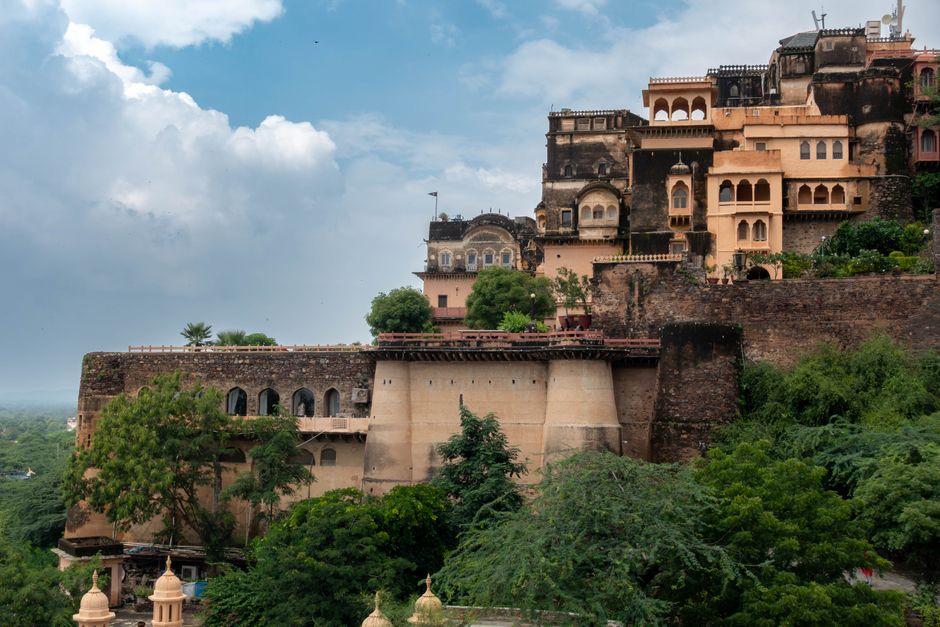
India’s finest properties—from the palatial suites of Udaipur’s Lake Palace to the contemporary magnificence of The Oberoi Amarvilas facing the Taj Mahal—deliver experiences that redefine luxury accommodation. These aren’t merely hotels occupying historic buildings; they’re living heritage where Maharajas’ descendants personally welcome guests, where 400-year-old frescoes frame your breakfast view, where your suite might occupy the very chambers once reserved for visiting dignitaries. The architectural grandeur remains authentic, yet concealed within centuries-old walls you’ll find climate systems engineered to perfection, marble bathrooms rivalling any Parisian palace hotel, and technology that responds to your slightest need. What surprises most isn’t the opulence—seasoned travellers expect that—but rather the seamless integration of contemporary comfort with absolute cultural authenticity, achieved without compromising either.
India’s luxury properties typically close for monsoon months not for guest comfort, but to undertake meticulous restoration work. This commitment to preservation means you’re experiencing living history maintained to museum standards.
The Sophisticated Culinary Landscape Beyond Curry Stereotypes
When Chef Manish Mehrotra presents his interpretation of Awadhi cuisine at Indian Accent—where textures, temperatures, and flavour progressions mirror the complexity of any three-Michelin-star establishment—the revelation begins. India’s culinary sophistication extends far beyond the curry house paradigm, encompassing regional haute cuisine traditions refined over centuries in royal kitchens, now executed by chefs who’ve trained internationally yet remained rooted in authentic technique.

In Nashik’s Sula Vineyards, you’ll discover award-winning Sauvignon Blancs and Chenin Blancs that hold their own against New World benchmarks. Bangalore’s Grover Zampa produces exceptional sparkling wines using méthode traditionnelle. The surprise isn’t merely that India produces wine—it’s that the country’s premium vintages deserve serious consideration from any oenophile’s cellar. Beyond the bottles, bespoke India experiences in gastronomy reach extraordinary heights: private dinners orchestrated within Jaipur’s Amber Fort after dark, the scent of jasmine mixing with saffron-infused dishes served on silver thali inherited from Rajput courts. Or perhaps breakfast in a Coonoor tea estate, where the estate manager explains terroir’s influence on Nilgiri teas whilst your chef prepares utterly contemporary interpretations of South Indian classics using vegetables harvested that morning from organic gardens visible from your table. This is Indian gastronomy as intellectual pursuit, sensory revelation, and cultural immersion simultaneously—accessible only to those who know precisely where to look.
The Remarkable Efficiency of Curated Private Travel
The helicopter lifts from Delhi at dawn, delivering you to Ranthambore’s private airstrip ninety minutes later—no traffic, no chaos, no compromise. Your wildlife guide awaits steps from where you land. By the time independent travellers are navigating departure terminals, you’re already deep in tiger territory, binoculars trained on fresh pugmarks. This isn’t merely convenience; it’s the difference between spending your precious fortnight travelling versus actually experiencing India.

The logistics that concern prospective India travellers—distances, connections, coordination—simply evaporate when travel operates at this tier. Private jets connect Delhi to Ladakh, to Goa, to the tea estates of Darjeeling with the ease of a London-to-Paris flight. The Palace on Wheels and Maharajas’ Express transform what might be arduous overland journeys into experiences of gliding elegance, where landscapes unfold outside your cabin window whilst you dine on Rajasthani specialties served on bone china. Each transition—airport, hotel, monument—involves discreet VIP protocols, private entrances, dedicated managers who ensure you’re never waiting, never uncertain, never anything but utterly cared for. What surprises isn’t that such infrastructure exists in India, but rather how comprehensively it eliminates every practical concern, allowing you to focus entirely on experience rather than logistics. For discerning travellers accustomed to seamless European rail connections or Japanese efficiency, India for discerning travellers at this level operates with comparable—often superior—grace.
India rewires perspective—colours appear more vivid, relationships feel deeper, and everyday luxuries gain new appreciation.
The Depth of Intellectual and Spiritual Engagement
Dr. Naman Ahuja—one of India’s foremost art historians—guides you privately through the National Museum’s Gupta period bronzes, drawing connections between 5th-century aesthetic philosophy and contemporary artistic practice that no audio guide could articulate. In Varanasi, you spend an evening with a Sanskrit scholar discussing the Upanishads whilst the Ganga flows below, the conversation profound yet accessible, challenging yet clarifying. These aren’t tourist entertainments; they’re genuine intellectual exchanges with accomplished practitioners who welcome the opportunity to share knowledge with genuinely interested minds.
The spiritual dimension reveals equal depth. At Ananda in the Himalayas, your Ayurvedic consultation spans two hours, exploring not merely physical symptoms but constitutional tendencies, seasonal influences, even how your prakriti—essential nature—might inform broader life decisions. This isn’t spa treatment; it’s medicine practiced as philosophical inquiry, by physicians whose training spans decades, whose knowledge base encompasses texts written millennia ago yet applied with remarkable contemporary relevance. Similarly, meditation instruction with accomplished practitioners—whether Vipassana masters in Dharamshala or yogis in Rishikesh ashrams accessible only through proper introduction—offers authentic transmission rather than westernised adaptation. The surprise isn’t that such teachers exist in India, but that through proper channels, they’re genuinely accessible to serious seekers, generous with time and wisdom in ways that create transformation rather than merely relaxation.
India’s artistic heritage reveals itself through private access: the Chanakya School of Craft in Mumbai, where you watch master weavers create textile art commanding six-figure prices at international auction; private viewings of Husain and Raza collections in aristocratic homes; afternoons in Jaipur artisan quarters where fourth-generation miniature painters create museum-quality works using techniques unchanged since Mughal patronage. These aren’t shopping opportunities disguised as culture—they’re genuine engagement with India’s living artistic traditions, offering both intellectual enrichment and acquisition possibilities for serious collectors that simply don’t exist elsewhere.
The astonishing diversity India contains within relatively compact geography surprises even extensively travelled clients. Within a single fortnight, you might track snow leopards at 4,000 metres in Ladakh’s frozen mountains, observe tigers in Madhya Pradesh’s sal forests, then conclude watching olive ridley turtles nest on Odisha’s beaches—three entirely distinct ecosystems, three separate wildlife experiences, each world-class. Architecturally, morning might find you exploring Hampi’s 14th-century Vijayanagara ruins, afternoon at Chandigarh’s Le Corbusier buildings, evening at a contemporary architectural masterpiece in Ahmedabad—5,000 years of design evolution experienced in a single day. Culturally, the range defies comprehension: Rajasthan’s feudal grandeur bears no resemblance to Kerala’s tropical coastal rhythms; Mumbai’s cosmopolitan energy shares nothing with Himalayan village simplicity; Tamil Nadu’s Dravidian temple traditions operate in entirely different aesthetic and philosophical registers than Kashmir’s Sufi mysticism. This isn’t variety for variety’s sake—each culture, landscape, and tradition rewards deep engagement, and proper curation ensures you experience depth within diversity rather than superficial sampling.
What distinguishes Indian hospitality transcends professional service training. ‘Atithi Devo Bhava’—the guest is god—isn’t marketing language but genuine cultural philosophy, creating interactions that feel more like friendship than transaction. Your driver in Rajasthan remembers you returned three years later, asks about your daughter’s wedding you mentioned previously, brings sweets from his village to share. The palace manager who arranged your visit to a noble family’s private quarters sends Diwali greetings annually thereafter. These connections aren’t scripted; they emerge from cultural values that genuinely prioritise relationship over transaction, hospitality as sacred duty rather than commercial exchange. The surprise isn’t that service is excellent—you expect that—but that it so often blossoms into authentic human warmth that continues well beyond your stay, creating relationships rather than merely memories.
Perhaps the most profound surprise awaits after departure. India doesn’t simply provide beautiful memories; it fundamentally shifts perspective. Colours in your home city seem muted after Rajasthan’s saturated palette. Daily luxuries—hot water, reliable electricity—gain new appreciation. Relationships deepen, influenced by witnessing how Indians prioritise family and community. Clients consistently report India as their most transformative travel experience, returning not from duty but genuine longing for the country’s particular intensity, warmth, and vitality. The surprise isn’t that India impacts you—any significant journey does—but rather how comprehensively it rewires your approach to travel, beauty, relationship, and daily living. Even after dozens of visits, the country reveals new dimensions, offering layers of discovery that never exhaust themselves, surprises that never diminish through familiarity.
Royal India Holidays has spent three decades discovering, cultivating, and curating these surprise moments for our clients. We understand that the greatest luxury isn’t merely accessing exclusive experiences, but having them revealed at precisely the right moment, in exactly the right context, calibrated to your particular sensibilities and interests. Your India journey becomes a carefully orchestrated series of discoveries where each surprise—though thoughtfully planned—feels genuinely spontaneous, personally meaningful, utterly memorable. We invite you to begin a conversation with our India specialists, exploring what your personal discoveries might encompass, where your particular interests might lead, what aspects of this endlessly fascinating country we might reveal together. Because the real surprise isn’t what awaits in India—it’s discovering which experiences will resonate most profoundly with you.