

Most travellers believe they know Indian food—until they taste Kerala’s black pepper from the source, witness a royal Rajasthani thali prepared across seven generations, or experience Bengal’s sublime fish preparations that have nothing to do with curry. The true taste of India reveals itself not in a single dish, but across an entire subcontinent where geography, history, and ancestral memory have created seven distinct culinary kingdoms, each as different from the others as French cuisine is from Japanese. This is not about restaurants or celebrity chefs. This is about standing in a cardamom plantation at dawn in the Western Ghats, watching palace cooks seal meat in clay pots using techniques unchanged since the Mughal era, and understanding why the fish curry you ate in Kolkata bears no resemblance to the seafood you’ll encounter in Goa. For those who travel to truly understand, rather than merely taste, India offers the world’s most sophisticated culinary journey—one that transforms dining into cultural archaeology.
The Seven Culinary Kingdoms: Understanding India’s Gastronomic Geography
India possesses no single national cuisine, and this isn’t culinary fragmentation—it’s gastronomic wealth. The subcontinent divides into seven major culinary regions, each shaped by factors far more profound than recipe variation: the clash between desert scarcity and coastal abundance, the enduring legacy of Mughal court kitchens versus untouched tribal traditions, the influence of ancient spice routes that brought Portuguese, Arab, and Chinese traders to different shores. Punjab’s wheat belt created an entirely different food philosophy than Kerala’s coconut groves. The cold-water fish of Bengal’s rivers demand preparations unimaginable to those cooking the warm-water catch of the Arabian Sea. Rajasthan’s cooks became masters of preservation in a landscape with little water, while Assam’s abundant rainfall produced a cuisine centred on fresh, immediate flavours.

Understanding regional Indian cuisine means recognising these kingdoms not as provincial variations but as complete culinary universes, each with its own logic, hierarchy, and refinement. The difference between a Delhi butter chicken and a Kerala fish moilee isn’t preference—it’s the difference between two entirely separate gastronomic languages, both equally eloquent, both requiring years to master. When Royal India Holidays designs an India culinary journey, we follow the harvest calendar: mango season in the Konkan, cardamom picking in the Ghats, mustard flowering in Punjab’s winter fields. We time visits to coincide with festival cooking traditions when family recipes emerge from ancestral memory, and we arrange encounters with master chefs whose knowledge exists nowhere in cookbooks—cooks who learned by watching their grandmothers, who understand terroir before that word became fashionable, who can explain why a particular spice grows only on north-facing slopes and how that affects its behaviour in the pot.
India’s culinary calendar follows regional harvests and festivals. October through March offers ideal weather and peak produce across most regions, with winter bringing Punjab’s best sarson ka saag and Kerala’s spice harvest. Durga Puja in October transforms Kolkata’s food scene entirely.
The North: Royal Kitchens and Tandoor Mastery from Punjab to Awadh
Northern India’s culinary traditions were forged in the kitchens of emperors and the fields of the most fertile agricultural land on earth. In Punjab, we arrange dawn visits to organic wheat farms where your host—often a third-generation farmer whose family converted to biodynamic methods decades before it became fashionable—will walk you through varieties of wheat you never knew existed, each suited to different preparations. Later, in a restored haveli, a home cook will teach you makki di roti, the corn flatbread that epitomises Punjabi winter eating, explaining why the coarse grind matters, why the ghee must be cultured, why this simple food represents agricultural sophistication most Michelin-starred restaurants would envy.
But it’s in Lucknow where Northern India’s culinary refinement reaches its apex. The city’s Nawabi heritage created dum pukht—the art of cooking sealed in dough, where meat and spices transform over hours into something transcendent. We arrange access to family kitchens where the Kakori kebab is still made according to methods guarded for two centuries: meat pounded precisely 840 times (never 839, never 841), specific cuts from specific parts of the animal, a technique so exacting that most restaurants simply cannot execute it. This isn’t showmanship. This is craft at the level where cooking becomes meditation.
Kashmir brings yet another culinary philosophy entirely—the wazwan, a formal multi-course feast that can include up to thirty-six dishes, served on large copper platters called traem. The rituals surrounding wazwan preparation take days: whole sheep are butchered with surgical precision, different cuts assigned to different preparations, spices measured not in teaspoons but by ancestral memory. A private wazwan arranged through Royal India Holidays, conducted by a master wazaa in a Mughal garden, represents not just a meal but an initiation into Kashmir’s most refined cultural tradition. You’ll understand why saffron from Pampore costs what it does, why the yogurt must be strained in muslin for exactly six hours, why each dish appears in a specific sequence designed around digestive harmony. This is India’s truest luxury food travel experience—not expensive ingredients flown in, but centuries of knowledge applied with absolute mastery.
The West: Desert Ingenuity and Coastal Abundance from Rajasthan to Gujarat
Western India presents a study in contrasts: the Thar Desert’s harsh scarcity versus the Arabian Sea’s generous abundance, militant vegetarianism versus royal hunting traditions, ascetic Jain philosophy versus Goan Catholic exuberance. In Rajasthan, the defining culinary question has always been preservation—how to cook magnificently when water is scarce, vegetables seasonal, and the sun relentless. The answer: techniques like papad, mangodi, dried ker-sangri, and preparations that concentrate flavour rather than dilute it.

When you dine in a Rajasthani palace—and we arrange this in properties where the maharaja’s own kitchen staff still prepare family recipes—you’re witnessing scarcity transformed into sophistication. Laal maas, the region’s fiery red meat curry, evolved as a hunting dish, designed to be cooked over open flames with minimal ingredients. Today’s palace version uses twenty spices, but the soul remains: Mathania chillies from a specific region, yogurt cultured in copper vessels, game meat or lamb prepared with the same technique hunters used centuries ago. The vegetarian thali in a heritage haveli reveals equally complex thinking—five dal preparations, each with different lentils, different tempering, different textures, proving that protein diversity needs no meat at all.
The true taste of India reveals itself not in a single dish, but across an entire subcontinent where geography, history, and ancestral memory have created seven distinct culinary kingdoms, each as different from the others as French cuisine is from Japanese.
Gujarat perfected vegetarian luxury long before plant-based eating became fashionable. The Gujarati thali is a philosophical statement about balance—sweet, salty, spicy, sour, bitter, and astringent all present in a single meal, served in a specific sequence, each small bowl delivering a complete flavour experience. We arrange private tutorials with Jain chefs whose constraints—no onion, no garlic, no root vegetables during certain periods—have produced the most creative vegetable cookery in India. Meanwhile, Goa’s coast brings a completely different vernacular: Indo-Portuguese fusion created over four centuries, toddy-tapper communities whose palm wine is essential to understanding Goan cooking, and a seafood tradition that varies village by village. The reclaiming of authentic Indian flavours here means stepping away from beach shack caricatures and into family homes where recheiado masala is still pounded by hand and sorpotel simmers for the three days it requires to achieve proper complexity.
The South and East: From Temple Traditions to Forgotten Tribal Cuisines
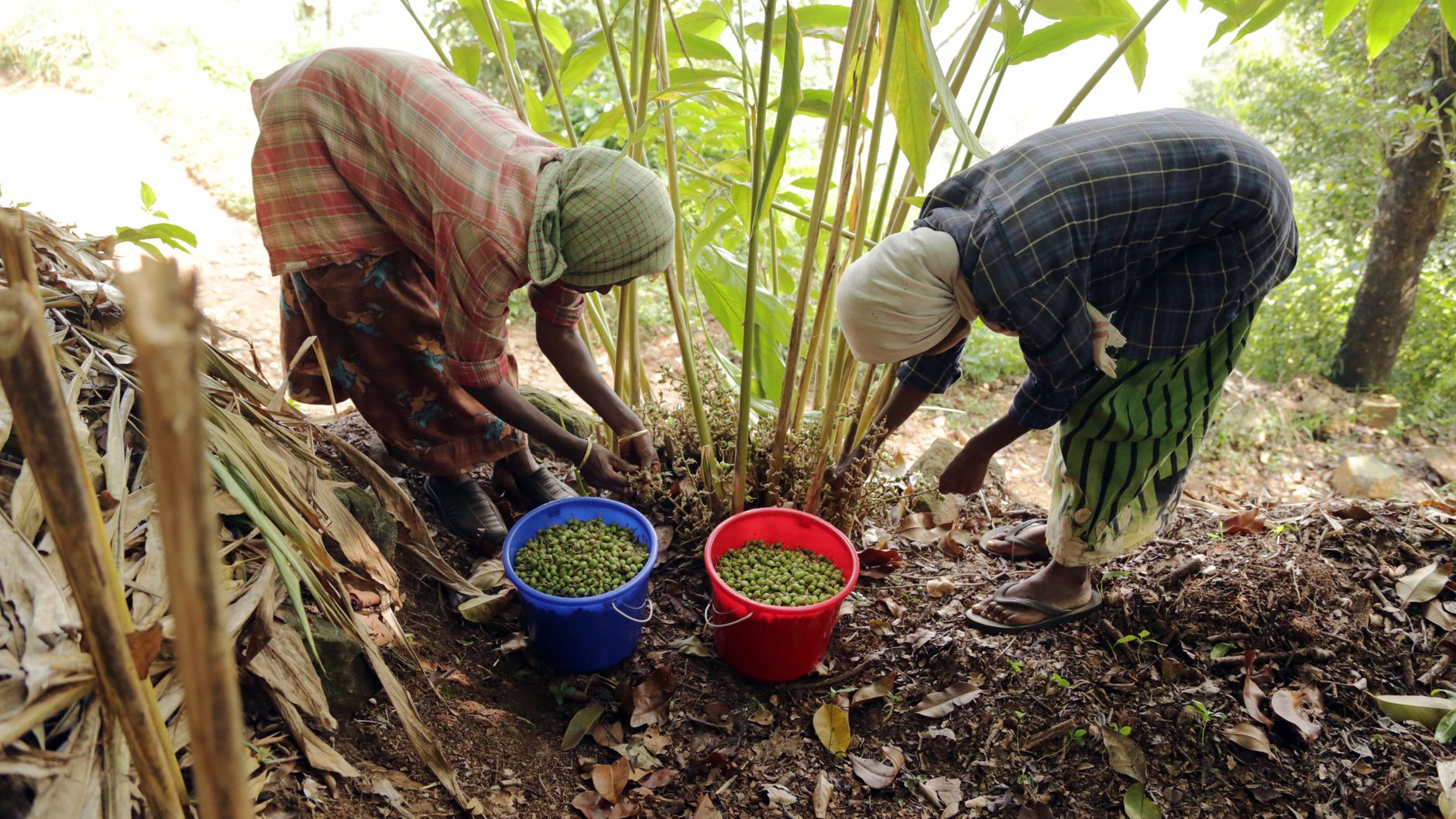
South India’s culinary identity was shaped by temple rituals, spice trade routes, and the world’s most sophisticated vegetarian cooking outside of Gujarat. In Kerala, we begin with breakfast in a cardamom plantation—dosa made from fermented rice and urad dal batter prepared the previous evening, served with at least seven chutneys that showcase the state’s spice wealth. Syrian Christian families, whose ancestors arrived in Kerala nearly two millennia ago, maintain dishes found nowhere else in India: beef preparations using coconut and curry leaf, stews with a Portuguese inflection, fish curries that reveal the fusion of Indian and Middle Eastern technique.
Tamil Nadu preserves India’s oldest continuous cooking traditions, many unchanged since the Sangam period two thousand years ago. The Chettinad region, home to merchant princes whose wealth came from spice trading, developed possibly India’s spiciest cuisine—but also its most nuanced, with freshly ground masalas that might include twenty ingredients, each toasted separately, combined in proportions that shift with the season. A Chettinad mansion banquet, arranged in a family home whose kitchen has operated for nine generations, demonstrates why this region’s cooking technique influenced Southeast Asian cuisines from Thailand to Malaysia.
But it’s the East and Northeast where India’s most undiscovered culinary experiences await. Bengal’s cuisine centres on fresh-water fish prepared with a sophistication that rivals any coastal tradition—doi maach (fish in yogurt sauce), paturi (fish steamed in banana leaf), chingri malai curry (prawns in coconut). The five-spice panch phoron mixture defines Bengali cooking, creating a flavour profile completely distinct from the rest of India. During Durga Puja, family kitchens produce elaborate vegetarian and non-vegetarian feasts that represent Bengali cooking at its ceremonial height. We arrange private home visits where grandmothers still make sandesh—Bengali sweets—using techniques requiring such precision that most sweet shops cannot replicate them.
The Northeast remains India’s final culinary frontier for sophisticated travellers. Sikkim’s organic farm dinners showcase Himalayan produce—fiddlehead ferns, bamboo shoots, locally foraged greens—prepared by communities whose food culture developed in complete isolation from mainstream Indian cooking. Nagaland’s smoked meat heritage and fermentation techniques predate modern “nose-to-tail” philosophy by centuries. Assam’s tea estates offer more than plantation tours—they provide insight into Anglo-Indian culinary fusion and how tea culture shaped an entire region’s eating patterns. These experiences require specialist planning, cultural sensitivity, and connections that only a decade of relationship-building can provide.
Curating Your Bespoke Taste of India Journey
A comprehensive India culinary journey requires fourteen to twenty-one days minimum, ideally timed around harvest seasons and festival periods when regional cooking appears in its most complete form. Royal India Holidays doesn’t design food tours—we create culinary immersions where market visits happen with home cooks who’ll prepare your purchases that afternoon, where palace dinners are hosted by the maharani herself, where master chefs share technique in their own kitchens rather than demonstration theatres. The difference is access and authenticity—the family invitations, ancestral recipes, and encounters with cooks whose knowledge exists in their hands rather than cookbooks.
Your journey might follow spice routes from Kerala’s coast through Tamil Nadu’s Chettinad region, or trace Mughal influence from Delhi through Lucknow to Hyderabad. Perhaps you’ll explore vegetarian sophistication across Gujarat and Rajasthan, or venture into the Northeast for tribal cuisines no luxury traveller has yet properly discovered. We discuss your palate preferences, dietary requirements, and curiosity level—some guests want hands-on cooking experiences; others prefer focused tasting with cultural context. Either approach receives the same meticulous curation.
Begin by sharing which culinary kingdom calls to you first, which flavours intrigue you most, whether you’re drawn to royal refinement or tribal authenticity. Our India specialists, many of whom trained as chefs before becoming travel designers, will craft an itinerary that follows your curiosity while respecting seasonal realities and regional festivals. This is how you discover the true taste of India—not through restaurants, but through the kitchens, fields, and family tables where regional cuisines still live as daily practice rather than performance. Speak with a Royal India Holidays specialist to begin designing your personalised gastronomic odyssey across India’s seven culinary kingdoms.