

The £25,000 India itinerary and the £5,000 version may list identical destinations—Udaipur, Jaipur, Varanasi—yet deliver entirely different journeys. One becomes a sequence of logistical transactions punctuated by crowds and compromise. The other unfolds as a seamless narrative of access, insight, and experiences calibrated to your exact sensibilities. Understanding what truly separates exceptional luxury travel companies India from conventional operators requires looking beyond marketing language to operational realities: the relationships cultivated over decades, the intelligence networks maintained across regions, and the service protocols that anticipate disruption before it reaches you.
The distinction isn’t merely about upgraded hotels or private vehicles. It’s architectural—built into how ultra-luxury operators construct experiences from the ground up, who they know, what they can access, and how they orchestrate complexity into apparent effortlessness. For discerning travellers accustomed to excellence in other domains, these operational differences determine whether India reveals itself fully or remains frustratingly opaque despite significant financial investment.
Access Architecture: The Invisible Network That Transforms Experiences
The most profound difference between bespoke India travel specialists and standard tour operators exists in their access networks—relationships that cannot be purchased, only cultivated through years of trust-building with India’s cultural gatekeepers. When Royal India Holidays arranges a private evening at Samode Palace, you’re not simply visiting a heritage hotel. You’re received by descendants of the Rawals of Samode, shown family archives in the zenana quarters, and offered perspectives on courtly life that no public tour could approximate. These relationships with royal families and hereditary custodians of India’s heritage remain fundamentally personal, extended only to operators whose clients have consistently demonstrated cultural sensitivity and genuine curiosity.

Authentic royal access requires vouching—maharajas and heritage property owners extend private invitations only through operators they personally trust, evaluating not just the company but the calibre of clientele they represent.
Beyond heritage access, luxury India tour operators maintain vetted networks of specialists who never advertise publicly: textile conservators who unlock private museum collections, classical musicians who perform in intimate heritage settings, scholars who provide context that transforms temples from architectural specimens into living spiritual ecosystems. These specialists work exclusively through referral, protecting both their time and the quality of engagements. A standard operator might hire a licensed guide. A luxury travel company deploys a Kathak dancer to explain temple sculpture through movement, or a Sanskrit scholar to decode inscriptions at Khajuraho while discussing philosophical concepts embedded in stone.
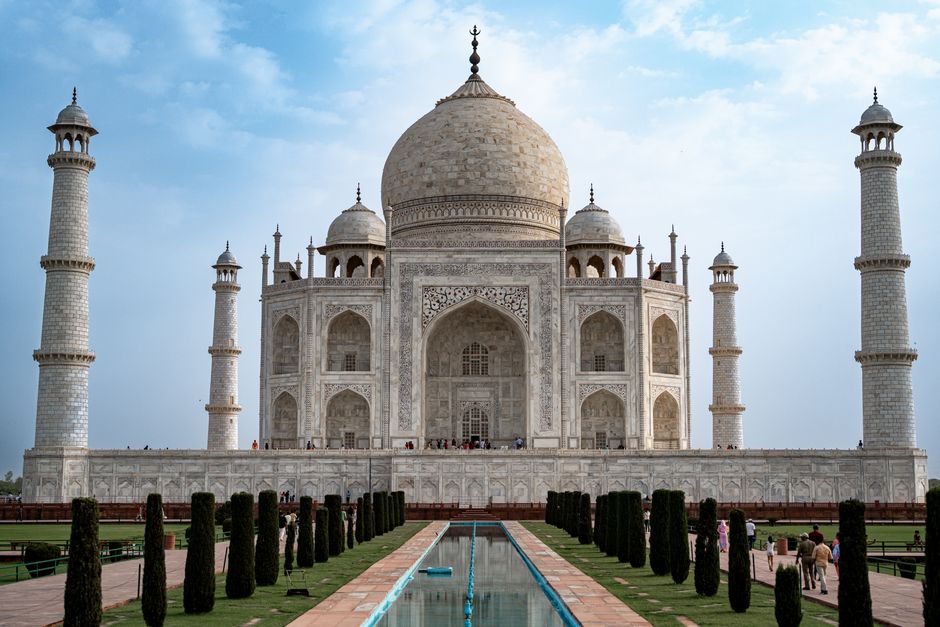
The network extends to institutional relationships that bypass conventional tourism friction. Pre-negotiated arrangements with temple trusts enable sunrise access to Meenakshi Temple before pilgrims arrive. Connections with government cultural bodies facilitate private viewings at the National Museum’s reserve collections. Archaeological Survey of India contacts allow dawn photography at the Taj Mahal when light transforms marble into something almost translucent. These aren’t experiences available through persistence or payment—they require institutional trust earned through years of demonstrated stewardship and client behaviour that respects cultural protocols.
The Reconnaissance Difference: Why Planning Takes Months, Not Days
When you engage high-end travel services India at the ultra-luxury level, you’re investing in reconnaissance infrastructure that standard operators cannot economically justify. Before Royal India Holidays recommends a heritage property in Rajasthan, our specialists have conducted multiple site visits—evaluating not just the property’s physical condition but staff attentiveness, kitchen consistency, and whether the manager personally greets guests or delegates to reception. We’ve dined in the restaurants, tested the spa, and verified that rooms match photography. This verification process extends to every restaurant, experience, and service provider in our portfolio.

More critically, luxury operators maintain real-time intelligence networks monitoring service quality fluctuations across India. Heritage properties change management. Chefs move between establishments. Political demonstrations close routes. Standard operators discover these realities when their clients encounter them. Ultra-luxury companies know before recommendations are made—adjusting itineraries based on intelligence that general tourism channels never capture. When Kerala’s backwaters flood seasonally, we’ve already pivoted clients to alternative experiences. When Rajasthan’s premier palace hotel undergoes ownership transition affecting service standards, we’ve suspended recommendations until stability returns.
The difference between luxury travel companies and standard operators isn’t visible in itinerary documents—it manifests in execution, access, and the problems you never encounter.
Seasonal micro-planning distinguishes luxury curation from generic tour construction. A private India travel concierge understands that Varanasi’s Ganga Aarti becomes impenetrable during Kartik Purnima, that Jaipur’s temperature patterns make afternoon palace visits uncomfortable in May, and that Pushkar’s accommodation options collapse to nil during the camel fair unless reserved eighteen months ahead. But beyond avoiding obvious conflicts, sophisticated planning accounts for light quality—positioning Amber Fort visits when afternoon sun illuminates specific courtyards, or timing Taj Mahal viewings to capture the brief moment when dawn light renders marble seemingly luminous from within.
Client profiling at this level transcends preference questionnaires. It requires understanding pace tolerance—whether you energise through cultural immersion or require substantial restorative intervals. It means gauging curiosity depth: do you want the historical narrative or the philosophical substrate? It involves assessing privacy requirements and recognising what remains unspoken in initial conversations. These nuances cannot be extracted through forms. They emerge through consultative dialogue with specialists who’ve orchestrated hundreds of India journeys and recognise patterns in how different traveller profiles experience the country’s intensity.
On-Ground Orchestration: The Concierge Layer Standard Operators Cannot Replicate
The most visible operational difference manifests in ground support architecture. Standard operators assign a driver and guide who follow predetermined itineraries with minimal deviation authority. Ultra-luxury private India travel concierge services deploy dedicated ground managers—senior specialists with decision-making authority to execute real-time pivots without approval delays. When unexpected temple access opens in Madurai because of your ground manager’s personal relationship with the trust administrator, the itinerary adjusts instantly. When you express particular fascination with miniature painting in Udaipur, your manager arranges a studio visit with a National Award-winning artist for the following morning. This requires personnel who are empowered, connected, and compensated well enough to prioritise your experience over operational convenience.

Behind ground presence operates 24/7 UK-based coordination working in tandem with in-country support teams. This dual-layer architecture ensures seamless handoffs across time zones and instant crisis response. When flight delays threaten carefully timed connections, both teams coordinate alternative arrangements before you’re aware of the disruption. When a client requires urgent medication in Jaisalmer, pre-positioned medical contacts and pharmaceutical relationships resolve the situation within hours. Standard operators manage crises reactively. Luxury companies maintain infrastructure that anticipates potential disruptions and pre-positions solutions.
Pre-positioned resources distinguish operational philosophy. Backup vehicles stand ready in major cities in case primary transport fails. Alternative accommodation arrangements exist for every destination should property standards suddenly decline or personal preferences shift. Medical contacts in every region—from concierge physicians to hospital administrators—are vetted and briefed before your journey begins. These invisible redundancies cost significantly to maintain, which explains why standard operators don’t offer them and why luxury travel company pricing reflects infrastructure most travellers never see but occasionally need desperately.
Quality control occurs through invisible daily check-ins and feedback loops. Your ground manager reports to operations teams who monitor service delivery in real-time, calibrating experiences based on your responses. If a guide proves too talkative or a restaurant disappoints, adjustments happen immediately—not after your journey when feedback surveys arrive. This continuous calibration requires communication infrastructure and personnel authorisation that generic tour operations cannot economically support.
Curation Philosophy: Depth Over Checklist Tourism
Perhaps the most fundamental difference lies in curatorial philosophy. Standard operators construct itineraries around geographical logic—you’re in Rajasthan, therefore you visit Jaipur’s City Palace, Amber Fort, and Hawa Mahal in succession. Luxury travel companies India build thematic coherence where each experience deepens understanding established by previous days. A textile-focused journey might progress from block-printing workshops in Jaipur to natural dye cultivation in rural villages to museum collections contextualising contemporary craftsmanship within historical tradition. Each day builds narrative depth rather than accumulating disconnected sights.
Pacing intelligence prevents the exhaustion endemic to over-programmed Indian itineraries. Luxury curation understands that after the sensory intensity of Varanasi’s ghats at dawn, travellers need restorative intervals—perhaps a private boat on quiet backwaters, or afternoon hours in a garden haveli with nothing scheduled. Standard operators maximise sightseeing to justify tour costs. Ultra-luxury operators maximise absorption by balancing intensity with integration time. This requires confidence that value derives from depth of experience rather than quantity of activities—a philosophical stance reflected in itinerary construction.
Access to scholars, artisans, and cultural custodians transforms how you understand what you’re seeing. Rather than guides delivering memorised commentary, luxury travel companies facilitate conversations with people who live these traditions. A temple visit becomes dialogue with a priest who explains ritual philosophy, not just architectural history. A cooking experience involves a home chef discussing how flavour profiles reflect regional history and agricultural patterns, not just recipe mechanics. These encounters require relationships that cannot be transactionally arranged and participants willing to engage beyond performative tourism—both hallmarks of networks ultra-luxury operators spend years cultivating.
Finally, flexibility architecture built into luxury itineraries allows spontaneous pivots when you discover unexpected interests or require pace adjustments. Standard tour contracts penalise deviation. Bespoke luxury embraces it—building contingency into scheduling and maintaining relationships that enable last-minute arrangements without premium pricing or quality compromise. When you express interest in Mughal garden design after visiting Amber Fort, your itinerary expands to include private access to lesser-known garden complexes with a landscape historian. This responsiveness requires operational slack that appears inefficient until it proves essential.
At Royal India Holidays, our operational infrastructure exists to deliver the India journey you envisioned, not the one you settle for. The relationships we maintain, the reconnaissance we conduct, and the ground support we deploy reflect thirty years of understanding how ultra-luxury travel actually works—the invisible architecture that transforms identical destinations into profoundly different experiences. If you’re considering India and want to understand how our approach might align with your travel expectations, we’d welcome a conversation with one of our specialists who can discuss your interests and explain specifically how we’d structure your journey. The distinction between what we do and what standard operators offer becomes clear not in our proposals, but in those moments during your travels when complexity resolves seamlessly and access opens unexpectedly—the operational difference that justifies the investment.