

The morning mist lifts from the Ganges to reveal a scene unchanged for millennia—except you’re watching it unfold from your private balcony aboard a meticulously appointed vessel where your butler has just delivered hand-pressed Darjeeling and warm almond croissants. This is the paradox at the heart of a luxury river cruise India experience: profound immersion in one of the world’s most ancient, complex cultures, all while cocooned in world-class refinement. Over the years, I’ve accompanied dozens of discerning clients through this journey, and I can tell you with absolute certainty—nothing quite prepares you for the emotional resonance of watching the subcontinent unfold at the unhurried pace of a river’s current.
What follows isn’t promotional rhetoric. It’s an honest account of what actually happens when you step aboard vessels like the Ganges Voyager II, the RV Bengal Ganga, or the Charaidew II navigating the Brahmaputra. Because if you’re considering a Ganges luxury cruise or a Brahmaputra river cruise, you deserve to know precisely what you’re signing up for—the transcendent moments and the practical realities alike.
The Ships Themselves: Boutique Floating Sanctuaries
Forget everything you know about conventional cruise ships. India’s premier vessels carry between twenty-four and fifty-six guests maximum—a deliberate constraint that transforms the entire experience. The Ganges Voyager II, for instance, accommodates just fifty-six passengers across twenty-eight suites, resulting in a staff-to-guest ratio that would make a Relais & Châteaux property envious. This isn’t about size; it’s about achieving a level of personalized attention impossible on larger vessels.

Your suite becomes a sanctuary of considered luxury. Floor-to-ceiling panoramic windows—not portholes—frame the ever-changing tableaux of riverine India. Teak decking underfoot, marble-clad bathrooms with monsoon showers, Egyptian cotton linens with thread counts north of 600. The design vocabulary speaks colonial elegance reimagined through a contemporary lens: polished brass fixtures, ceiling fans alongside climate control, vintage prints of botanical illustrations beside modern audio systems. One client, a London-based art dealer accustomed to Claridge’s, told me her suite aboard the RV Bengal Ganga “felt like the private stateroom of a particularly cultured viceroy who happened to have impeccable taste in contemporary bathrobes.”
The finest luxury boat India experiences operate only during optimal river conditions—typically October through March for the Ganges, November through April for the Brahmaputra. This seasonality ensures navigability and the most pleasant climate for shore excursions.
Onboard amenities rival—and often surpass—five-star hotels. The spa treatment rooms aboard the Charaidew II offer Ayurvedic massages with oils prepared according to your specific dosha, administered by therapists who’ve trained in Kerala’s traditional kalaris. The lecture lounge doubles as a film room and houses libraries curated by actual scholars—first editions of Kipling, photography monographs of Raghu Rai, contemporary Indian fiction in hardcover. Sun decks pour premium Indian single malts and gins you’ve never encountered at Heathrow duty-free. The head chef might invite six guests to join him in preparing regional dishes—I’ve watched a retired investment banker from Zurich learn to fold perfect Kolkata kochuri under the tutelage of a chef who once cooked for the Maharaja of Cooch Behar.
The Sensory Journey: A Typical Day Unfolds
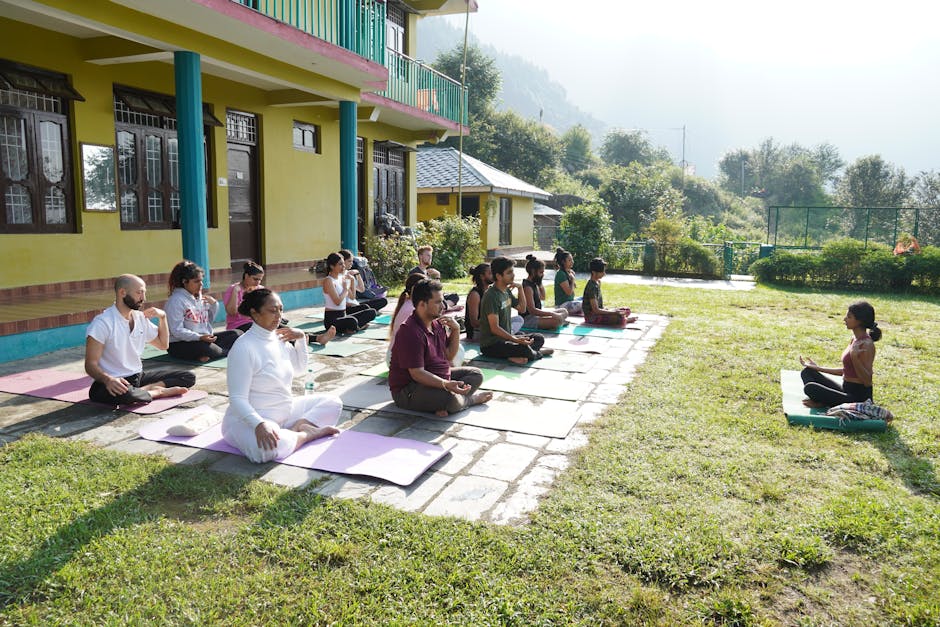
Dawn arrives not with an alarm but with the soundscape of the river itself—the rhythmic splash of oars, the distant call of a bheri-wallah fisherman, the complex avian symphony of cormorants and kingfishers. By six o’clock, a small group gathers on the sundeck for yoga led by an instructor whose flowing sequences mirror the river’s movement. Others stand at the railings with binoculars and field guides, tracking river terns and Pallas’s fish eagles with the onboard naturalist.

The India river cruise experience operates on what I call “intelligent spontaneity.” Yes, there’s a framework to each day, but the finest voyages respond to the river’s mood and unexpected opportunities. Perhaps the captain receives word that a particular temple normally closed for restoration has granted special access. Perhaps a local family in a riverside village has invited the ship’s guests to witness their daughter’s pre-wedding haldi ceremony. The itinerary breathes and adapts.
The genius of India’s luxury river cruises lies not in escaping India’s intensity, but in experiencing it through a lens of proper context and carefully calibrated proximity.
Mornings typically bring shoreside explorations. You tender to land in small groups—never the overwhelming coach-tour numbers—accompanied by guides who are often published archaeologists or retired museum curators. At Kalna’s terracotta temples, you’re not herded through on a forty-minute schedule; you spend two hours examining the intricate narrative panels depicting scenes from the Ramayana, learning to read the visual grammar of Bengali temple architecture. At a Majuli pottery village, the artisan family your guide has known for fifteen years welcomes you into their courtyard, demonstrating techniques unchanged since the Ahom dynasty while their grandmother serves you chira doi—flattened rice with sweet curd—from bell metal bowls.
Afternoons aboard follow a gentler rhythm. Perhaps a lecture from a visiting scholar on the evolution of Vaishnavite monasticism. Perhaps you simply read in your suite as the landscape glides past—mustard fields blazing yellow, terracotta villages where children wave from the banks, the occasional colonial-era estate glimpsed through sal forests. Afternoons are for processing the morning’s sensory abundance.
Evenings achieve a particular grace. As the sun descends, guests gather on the top deck where stewards pour sundowners—a perfectly mixed gimlet, a local craft beer from Bira or White Rhino, fresh lime soda with black salt for the abstainers. Dinner becomes theater: five courses interpreting regional cuisines with refinement but not dilution. Rogan josh that actually carries Kashmiri saffron and the warmth of ratanjog spice blend. Calcutta’s daab chingri—prawns cooked inside tender green coconuts—presented with the coconut itself as the vessel. Wine pairings that might include Grover Zampa’s La Réserve or, unexpectedly, a Burgundy that mirrors the dish’s complexity. After dinner, perhaps classical khyal vocalists perform under the stars, or a kathak dancer transforms the deck into a stage, or you simply stand at the railing watching cremation pyres flicker distantly along the ghats, confronting India’s unflinching relationship with mortality.
The Cultural Immersion: Beyond Tourist Trails
Here’s what sets a Ganges luxury cruise apart from any land-based journey: the river grants access to India’s spiritual and cultural arteries impossible to reach by road. You glide past Farakka Barrage at dawn, witnessing the complex engineering that controls half the subcontinent’s water flow. You moor at Matiari, where three families have woven cane and bamboo for twelve generations, and the master craftsman—who remembers when your guide was a university student documenting traditional crafts—explains the geometry behind his peacock-shaped lampshades.
The finest vessels cultivate relationships that transform tourists into welcomed guests. At Baranagar, the mahant of a 16th-century terracotta temple complex doesn’t simply unlock the doors; he sits with your small group in the courtyard, explaining the philosophy of Gaudiya Vaishnavism while his disciples serve mishti doi in earthenware cups. At a char—a constantly shifting river island—your guide has arranged breakfast with a farming family who grow three rice harvests annually. You sit on jute mats in their courtyard, eating luchi and aloo dum, learning about flood patterns and government subsidies and their son’s engineering scholarship in Kolkata. These aren’t performances staged for tourists. They’re invitations extended because relationships have been nurtured over years.
You witness daily life with appropriate distance and respect. The cremation ghats at Tribeni are observed from the vessel, your guide explaining the rituals’ significance while maintaining the dignity of grief. Fishermen casting circular nets in the pre-dawn light aren’t interrupted for photographs—you watch from deck, perhaps speaking later with your guide who grew up in a fishing community and can explain the technique’s 3,000-year history. This is India unfiltered yet experienced with profound respect for context and privacy.
The Service Philosophy: Anticipatory and Invisible
On your second morning, your cabin steward greets you by name and inquires whether you’d like your Assam tea with honey today, as you seemed to prefer yesterday, or perhaps you’d try the estate Darjeeling he’s just received. This isn’t mere hospitality training—it’s a service culture refined to the point of genuine care.
The staff-to-guest ratios approach one-to-one on the finest vessels. Crew members who remember that you’re researching colonial-era architecture quietly leave a book on Calcutta’s imperial buildings in your suite. When shore excursions involve temple visits requiring covered shoulders, your butler ensures an elegant pashmina appears in your cabin the evening before. Dietary requirements—whether Jain, kosher-style, or simply averse to coriander—are accommodated without fanfare or fuss. The logistics of tender boats, private car transfers for optional excursions, and special arrangements all happen invisibly, managed by a cruise director whose competence you only fully appreciate when you realize you haven’t once worried about a single detail.
The onboard experts elevate everything beyond mere sightseeing. The resident historian aboard the RV Bengal Ganga is a retired Cambridge don who spent forty years studying the East India Company’s trading networks. He doesn’t lecture at you; he dines alongside guests, and a casual question about the terracotta temples you visited that morning sparks a twenty-minute discussion about temple patronage, guild economies, and artistic cross-pollination between Bengal and Odisha. The naturalist guiding birding excursions has published field guides. These aren’t gap-year guides reading from scripts; they’re accomplished professionals who genuinely relish sharing their expertise with curious minds.
Who This Experience Truly Suits (And Who It Doesn’t)
Absolute honesty: India’s luxury river cruises aren’t for everyone, regardless of budget. They suit travelers who value depth over breadth, who’d rather spend two hours understanding one temple complex than ticking off twelve sites in a day. They’re ideal for those comfortable with India’s beautiful contradictions—the sacred and the chaotic, the refined and the raw—experienced from a vantage point that provides both proximity and perspective. If you find slow travel not boring but profoundly restorative, if you seek transformative experiences rather than Instagram backdrops, if you appreciate that genuine cultural understanding requires time and expert context, then this journey will likely prove among your most meaningful travels.
These vessels attract guests who relish intimate settings. You’ll dine with the same two dozen fellow travelers throughout the voyage—stimulating if you enjoy thoughtful conversation with accomplished, culturally curious individuals, potentially limiting if you prefer complete privacy or vast cruise ship anonymity. The finest voyages curate this carefully; you’re unlikely to encounter rowdy bachelor parties or families with restless teenagers. You’re more likely to meet a retired appellate judge passionate about Mughal miniatures, a couple who’ve trekked Nepal fourteen times, or a wine importer researching Indian viticulture.
Practical considerations matter. WiFi exists but remains limited—often sufficient for emails, inadequate for video calls or substantial uploads. The vessels offer refined comfort, not theme-park entertainment; if you require constant programmed activity, you’ll find the pace meditative rather than stimulating. Shore excursions involve walking on uneven surfaces, navigating temple steps, traversing village paths. This is authentic India, elevated through expert guidance and world-class amenities, but not sanitized or simplified. River conditions occasionally require itinerary adjustments—an attitude of flexible curiosity serves better than rigid expectations.
Designing Your Perfect River Voyage
Our clients consistently report that India’s luxury river cruises provide the emotional resonance and cultural depth they seek, combined with the comfort levels they require. Whether the Ganges’s spiritual intensity speaks to you, or the Brahmaputra’s remote wilderness and Assamese culture calls, or perhaps a longer voyage combining both rivers appeals, the question becomes matching the right vessel, season, and itinerary to your particular interests and travel rhythms.
These journeys represent significant investments—of time, resources, and emotional openness. They deserve the careful consideration and expert planning that ensures every element aligns with your expectations. If you’d like to explore whether this extraordinary experience matches your travel aspirations, we’d welcome a conversation about crafting your bespoke Indian journey. Our specialists know these vessels intimately, understand the subtle differences between operators, and can design the river voyage that becomes not simply a holiday, but a genuine encounter with one of humanity’s most complex, ancient, and profoundly moving civilizations.