

While mass-market operators advertise ‘luxury’ India tours from £3,000, the world’s most discerning travellers invest £20,000–£25,000 per person for experiences that exist in an entirely different realm. Understanding luxury India holiday cost at the ultra-premium level isn’t about justifying expense — it’s about recognizing the profound difference between excellent travel and genuinely transformative journeys. When your investment approaches the price of a luxury automobile, you deserve transparent insight into precisely what that capital delivers, and why certain experiences simply cannot exist below specific financial thresholds.
This is your insider’s guide to the true cost architecture of India’s most exceptional bespoke travel — written not to sell you anything, but to help you understand the landscape before conversations even begin.
The Architecture of Ultra-Luxury India Pricing: What Separates £5,000 Tours from £25,000 Journeys
India’s luxury travel market operates across three entirely distinct pricing tiers, each delivering fundamentally different experiences. Standard luxury packages (£3,000–£7,000 per person) offer quality hotels, air-conditioned transport, and professional guides — perfectly adequate travel that nevertheless operates within publicly accessible parameters. Premium luxury (£8,000–£15,000) introduces five-star palace hotels, private drivers, and enhanced guides, creating genuinely excellent holidays most travellers would consider exceptional.

Then there exists ultra-luxury bespoke travel at £20,000–£25,000 per person — an entirely separate category where the very nature of what’s possible transforms. Here, accommodation means booking out entire heritage palace wings or securing suites that receive perhaps twenty reservations annually. Transportation shifts from chauffeur-driven cars to private helicopter transfers that reconfigure geography itself, turning eight-hour drives into forty-five-minute flights over Rajasthan’s painted landscapes. Your bespoke India travel budget at this level purchases not just quality, but access, time, and experiences that literally do not exist within conventional booking channels.
Ultra-luxury pricing typically reflects £1,500–£1,800 per person, per day for two travellers journeying together. Parties of four see per-person rates decrease to £1,300–£1,500 daily, while families requiring separate accommodations often return to higher per-person thresholds due to space requirements.
Seasonal variations merit understanding: October through March peak season commands full rates, reflecting when India’s climate, festivals, and cultural calendar align optimally. Shoulder periods — particularly late March through April and September — offer identical ultra-luxury experiences at 15–20% reduced rates, though with climate considerations in certain regions.
Where Your Investment Goes: Breaking Down a £22,000 Bespoke 14-Day India Journey
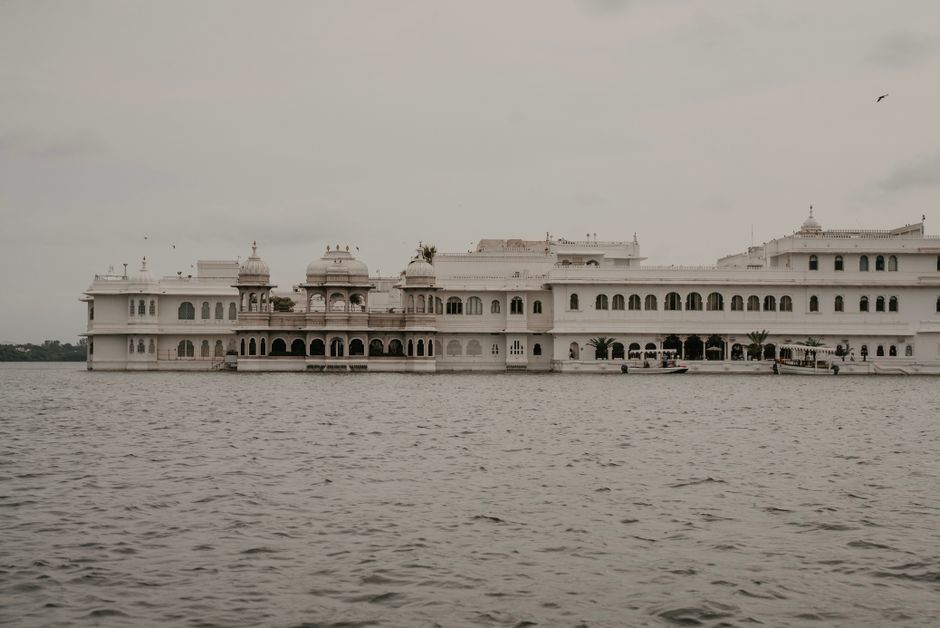
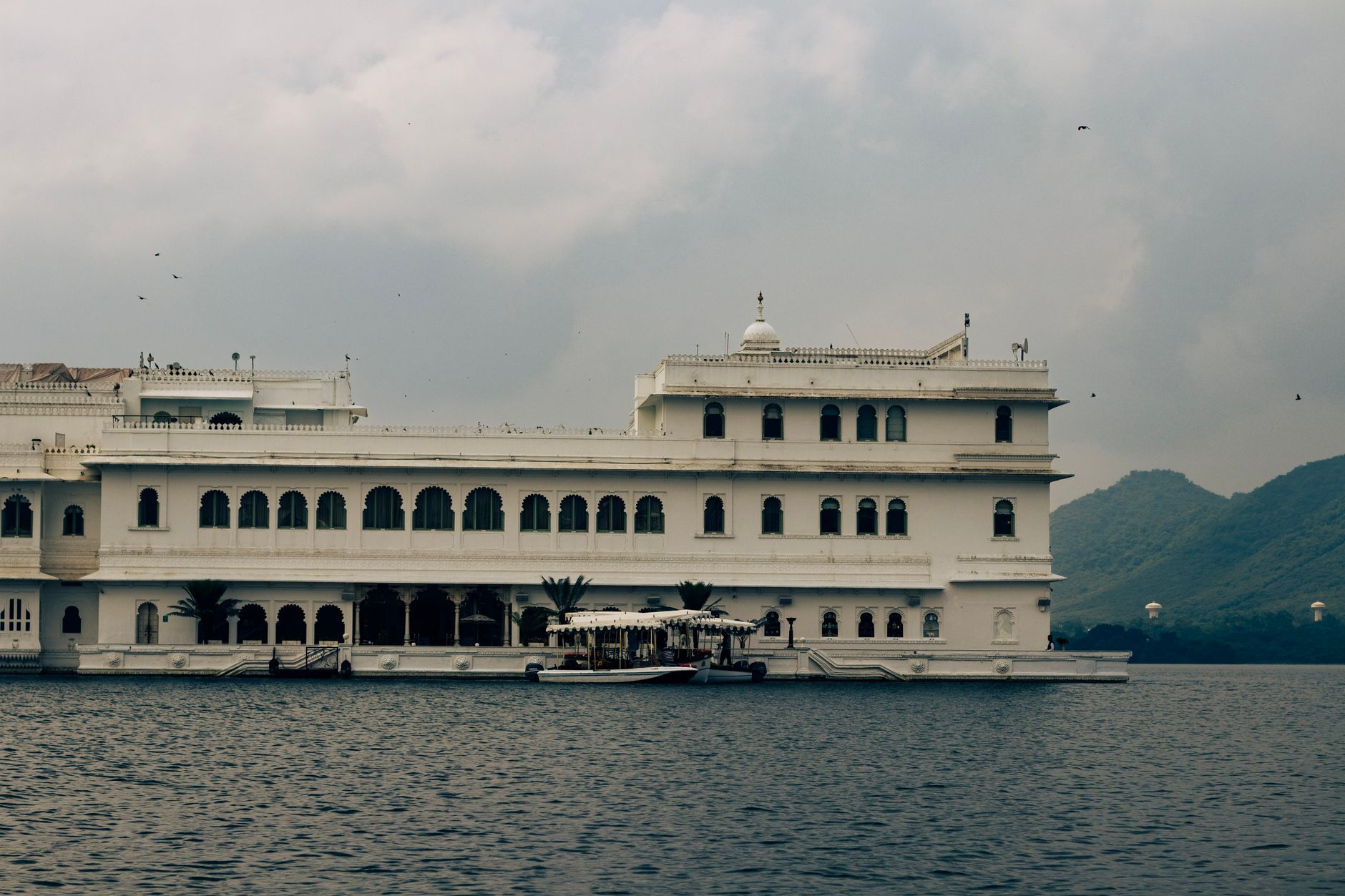
Consider a meticulously crafted fourteen-day journey through Rajasthan and Madhya Pradesh for two travellers, with total investment of £44,000. Accommodation consumes £15,400–£17,600 — roughly 35–40% of your budget. This secures not merely rooms, but the Kohinoor Suite at Udaipur’s Taj Lake Palace, a private tented pavilion at SUJÁN Jawai overlooking leopard territories, and heritage suites at properties receiving fewer than three thousand guests annually. These aren’t hotels; they’re privately curated sanctuaries where your arrival has been anticipated for weeks.
Private transportation — luxury 4×4 convoys, chartered helicopters between Udaipur and Jawai, business-class domestic positioning flights — accounts for £8,800–£11,000 (20–25%). That helicopter transfer alone, circumventing a grinding six-hour road journey, costs £3,200 but delivers something invaluable: the preservation of your physical and mental state, allowing you to arrive at your leopard safari not exhausted but exhilarated.
Exclusive experiences consume £6,600–£8,800 (15–20%): a private dinner hosted within Samode Palace’s Durbar Hall, after-hours access to Amber Fort with an archaeological specialist, a dawn ceremony at Eklingji Temple arranged through personal relationships with the mahant, masterclasses with miniature painters whose waiting lists span months. These aren’t add-ons; they’re the very substance of why you’ve come.
The compound value of relationship capital with India’s luxury hospitality elite and cultural gatekeepers cannot be replicated through any amount of independent research or booking platform investment.
The remaining £6,600–£8,800 (15–20%) funds what you’ll never see: 24/7 personal concierge monitoring your journey, advance permissions secured months prior, relationship capital with palace families and temple authorities, operational excellence ensuring your driver never arrives even five minutes late. This is the invisible infrastructure of seamless travel — crisis management, contingency planning, the quiet resolution of problems before you’re aware they existed.
The ‘Priceless’ Elements: What Money Actually Buys at the Ultra-Luxury Level
Certain experiences exist only through relationships cultivated over decades, access that cannot be purchased through conventional channels regardless of budget. A private Taj Mahal sunrise viewing — the monument entirely empty, your specialist guide’s voice the only sound besides your footsteps on marble — requires permissions coordinated months in advance through channels most operators cannot access. Cost: £1,800 for the experience. Value: genuinely incalculable, and utterly impossible to arrange independently.
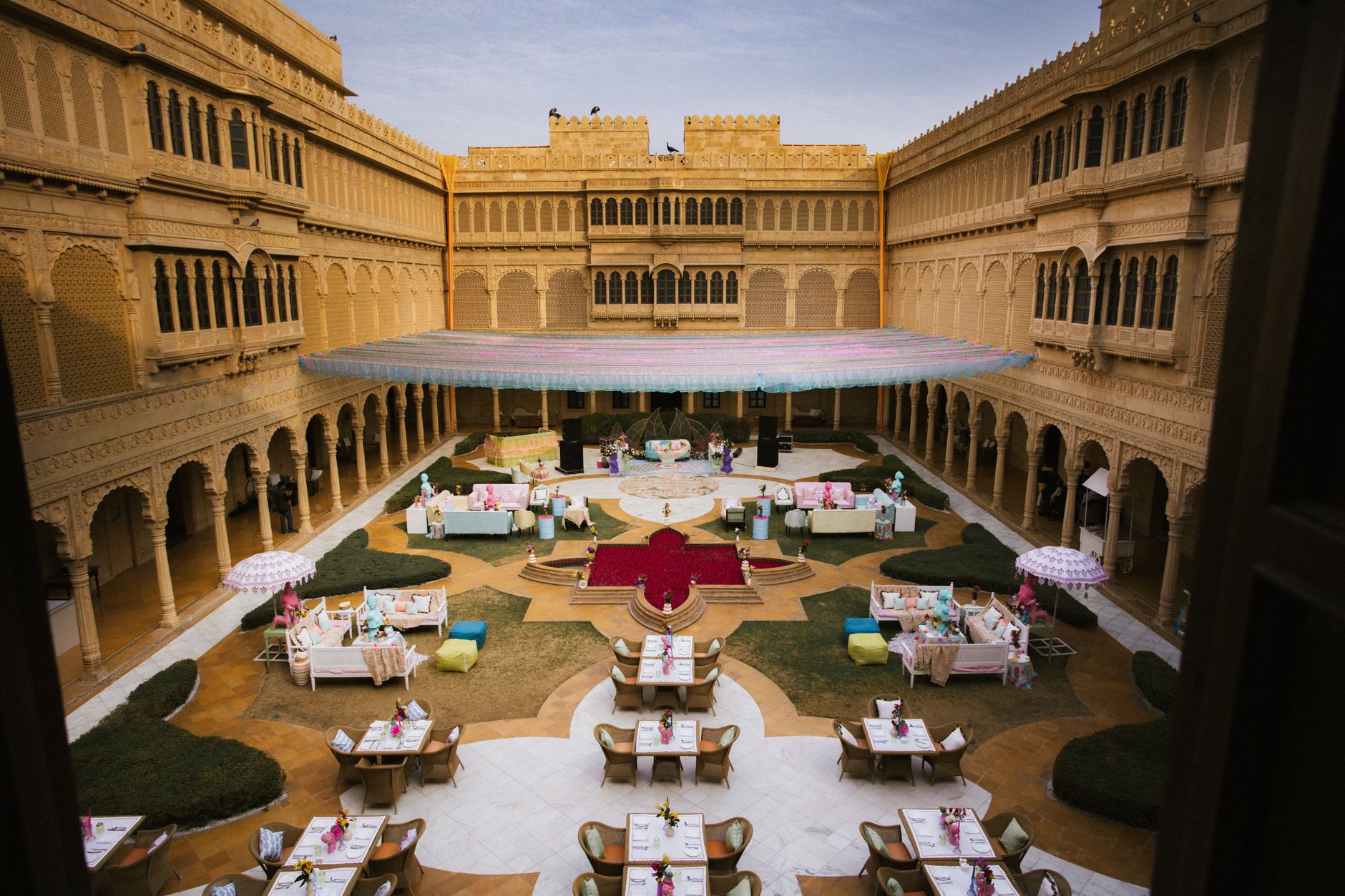
Royal family hosted dinners represent another category entirely. When you dine privately with the Maharaja of Dungarpur within his lakeside fortress, discussing his family’s eight centuries of history while his chef prepares recipes documented in sixteenth-century manuscripts, you’ve entered territory where high-end India tour investment meets cultural immersion of doctoral dissertation depth. These occasions cannot be secured through inquiry emails or luxury travel forums; they emerge only from trust relationships built over years.
Time optimization constitutes perhaps the most undervalued luxury element. Helicopter transfers between Jaipur and Ranthambore convert a four-hour road journey into eighteen minutes above Aravalli ridges, yes — but more profoundly, they preserve your limited India time for experiences rather than transit. Priority access eliminating all queuing, private viewings replacing crowded public hours, seamless logistics where you’re never waiting: this is the true private India journey cost architecture, where your scarcest resource — waking hours in India — receives maximum protection.
Curatorial expertise separates adequate itineraries from genuinely revelatory journeys. Specialists with fifteen to twenty years of intimate India knowledge designing your days bring something no algorithm or guidebook research can replicate: the understanding that your three-hour morning at Jaipur’s Anokhi Museum, working privately with textile conservators, will resonate more deeply than any palace tour, because they’ve taken time to understand not just India, but you.
Investment Optimization: How Strategic Choices Shape Your Budget Without Compromising Excellence
Understanding when to invest maximally versus where to optimize differently allows sophisticated budget architecture without sacrificing luxury standards. Shoulder season travel — specifically late March through April or September — delivers identical ultra-luxury experiences at 15–20% reduced rates. Yes, afternoon temperatures in Rajasthan climb higher, but morning and evening hours remain sublime, palace pools become sanctuary, and you’ll encounter India operating at its normal rhythm rather than performing for peak-season crowds.
Duration creates interesting value dynamics. Seven-day journeys, while feasible, often cost £2,000–£2,200 per person daily due to fixed costs (helicopter transfers, exclusive access arrangements) distributed across fewer days. Fourteen-day journeys optimize to £1,500–£1,700 daily. Beyond eighteen days, unless pursuing specialist depth in particular regions, per-day costs begin climbing again as you exhaust the highest-value experiences and enter diminishing returns territory.
Regional focus strategies deserve consideration. A deep-dive Rajasthan-only itinerary accessing lesser-known princely states — Dungarpur, Deogarh, Bijaipur — alongside the primary destinations delivers extraordinary value because reduced internal transfers allow budget reallocation toward experiences and accommodation. Multi-region highlights (Rajasthan, Kerala, Varanasi within twelve days) create logistical complexity and positioning costs that can consume budget better invested in deeper regional immersion.
Certain investments warrant maximum allocation regardless of overall budget framework. Private palace stays — actual heritage properties with royal family engagement — justify premium rates through their singular nature. Helicopter safaris in Kanha or Bandhavgarh, after-hours access to major monuments, presence during significant festivals like Pushkar or Mewar: these are the moments that transform good holidays into defining life memories. Conversely, ground transportation between nearby destinations and certain accommodation nights en route offer opportunities to optimize without compromising luxury standards, allowing reallocation toward those peak experiences.
Your investment at the £20,000+ level deserves transparent, sophisticated guidance from specialists who understand both India’s luxury landscape and the architecture of genuinely exceptional travel. We approach every conversation as consultation rather than sales, discussing your vision, expectations, and budget framework with complete candour. No generic quotes arrive via automated email; instead, you receive bespoke proposals crafted specifically for your aspirations, with transparent cost breakdowns explaining precisely where your investment flows and why.
Schedule a private consultation with our India specialists, and let’s discuss what your perfect journey looks like — and exactly what investment that vision requires.