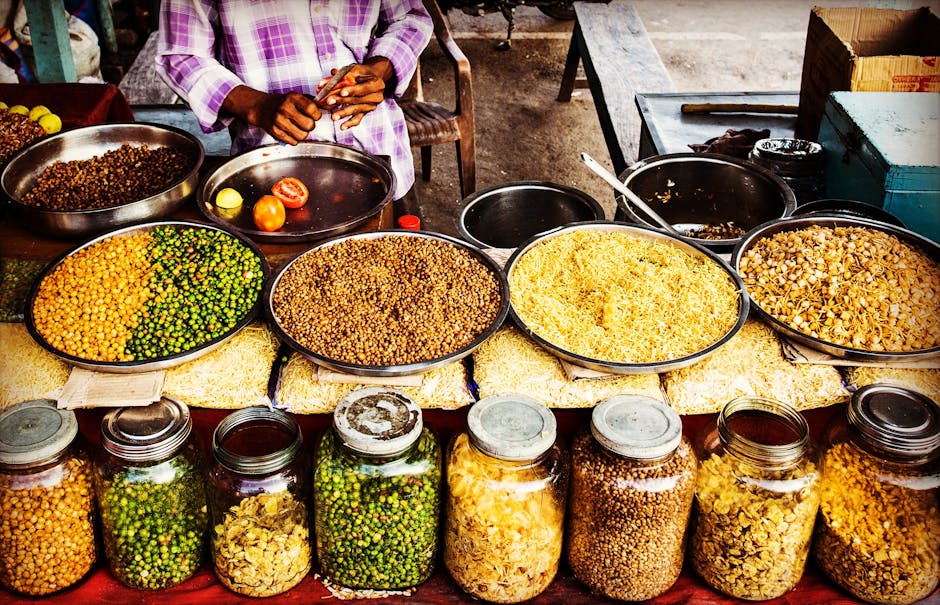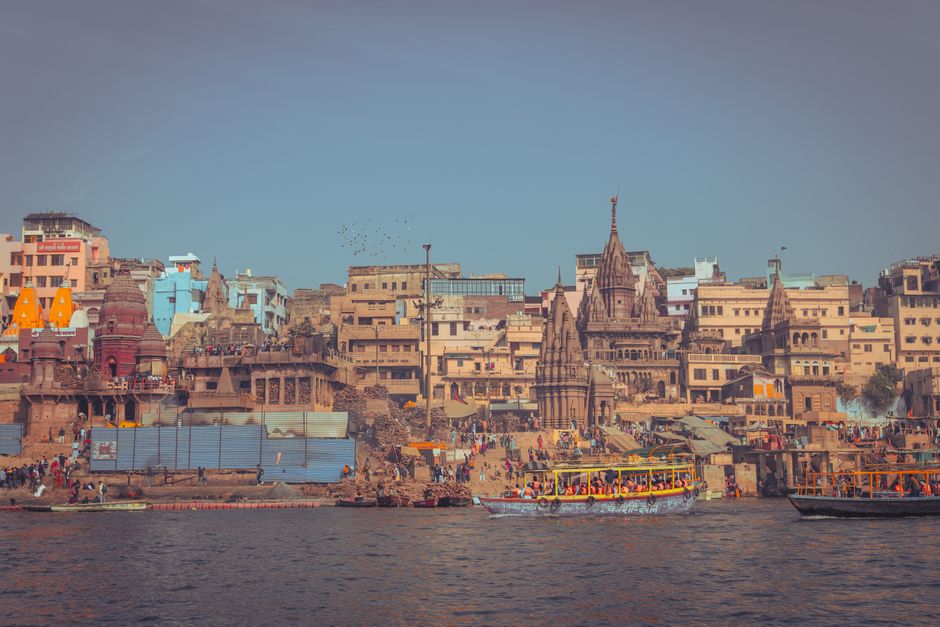

India’s most extraordinary culinary experiences exist not in restaurants, but in grandmother’s kitchens, behind heritage estate walls, and within regional food ecosystems where centuries-old techniques still shape daily meals—and accessing them requires more than a reservation. The true depth of Indian gastronomy reveals itself only when you step away from commercial dining circuits and into the private realms where food remains inseparable from family memory, seasonal rhythms, and cultural identity. These luxury food tours India offers are not about tasting menus or celebrity chefs, but about witnessing living traditions maintained by the quiet guardians of regional cuisines—matriarchs grinding masalas to proportions never written down, fishing community elders who read ocean patterns to source specific catches, and aristocratic families opening ancestral dining pavilions for the first time in generations.
This is culinary travel as anthropological expedition, where each meal becomes a portal into histories shaped by geography, migration, conquest, and devotion. Where understanding why Chettinad cuisine requires sun-dried ingredients means grasping how Tamil merchant communities preserved food across trading routes. Where tasting a Kashmiri Pandit family’s adaptation of Wazwan techniques in exile tells the story of cultural survival through recipe memory. These are the bespoke culinary journeys India makes possible when you move beyond the guidebook and into the intimate spaces where India’s food traditions still breathe.
The Architecture of Authentic Culinary Immersion: Why Regional Food Ecosystems Trump Restaurant Circuits
India’s culinary landscape divides not by state borders but by ecological zones, each generating food philosophies as distinct as separate countries. Bengal’s riverine abundance created a fish-centric cuisine with seventeen words for texture variations in cooked fish—a vocabulary that disappears in translation and in restaurant adaptations. Rajasthan’s arid scarcity bred preservation genius: gram flour replaces leafy vegetables, yoghurt-based curries compensate for water scarcity, and sun-drying techniques transform limited ingredients into complex flavour profiles. Kerala’s position on ancient spice routes wove black pepper, cardamom, and coconut into every meal, creating the layered complexity that made Malabar cuisine legendary among Arab traders a millennium before restaurants existed.
Commercial kitchens, no matter how skilled, cannot replicate the knowledge embedded in home cooking traditions. Restaurant chefs work to consistency and customer expectations; grandmother cooks work to seasonal availability and ancestral memory. The difference manifests in a thousand small decisions invisible to casual observation—knowing which vendor’s tamarind carries the right tartness for rasam, understanding that monsoon-season turmeric behaves differently than winter harvest, recognizing when rice has fermented to the precise sourness that makes perfect dosa batter. This is knowledge accumulated across lifetimes, refined through daily practice, and transmitted through demonstration rather than recipe cards.
Accessing these living food traditions requires relationships built over years, not transactions completed in minutes. It means private arrangements with families who still maintain wood-fired bread ovens in Amritsar, who hand-pound rice for Assamese pithas during Bihu festival, who know which mountain streams yield the herbs that define Himachali cuisine. These are private food experiences India creates when trust replaces tourism, when your presence in someone’s kitchen represents genuine cultural exchange rather than performative authenticity.
Dawn Market Immersions with Master Chefs: Sourcing Rare Ingredients Across India’s Regional Food Landscapes
Chennai’s Koyambedu market awakens at four in the morning, when wholesale flower vendors arrange jasmine strings alongside vegetable pyramids and spice merchants unlock century-old shops whose interiors smell of cummin, coriander, and time itself. Arriving with a chef who sources for heritage restaurants transforms this sensory chaos into a legible text—you learn to identify curry leaf freshness by stem flexibility, to recognize the superior mor milagai varieties by their wrinkled skin intensity, to understand why certain banana leaf qualities matter for serving traditional meals. This is not recreational market wandering but professional ingredient education, where decades of sourcing expertise decode quality hierarchies invisible to untrained eyes.
In Uttarakhand’s valley villages, the market is the forest itself. Accompanied by botanist-chefs who consult for Himalayan wellness resorts, you trek mountain paths identifying lingura fern, bicchu booti nettle, and wild kafal berries—ingredients that define pahari cuisine but appear in no commercial channels. You understand how seasonal availability shaped meal patterns, why spring brings certain greens and autumn others, how altitude determines which herbs thrive and therefore which flavours dominate regional cooking. This is ingredient knowledge as ecological literacy, revealing how geography writes itself into every regional recipe.
Goa’s Malim jetty fish auction operates on tide schedules and fisherman relationships, not tourist hours. Attending with Portuguese-Goan heritage cooks who select seafood for ancestral recipes means learning to distinguish between the ten local pomfret varieties, understanding why certain catches suit recheado masala while others demand caldeirada treatment, recognizing which fish the Konkani community considers auspicious for festival meals. You witness negotiations conducted in maritime Portuguese-Konkani hybrid, centuries of Catholic-Hindu fishing community culture encoded in transaction language, and realize that ingredient sourcing is itself a form of cultural preservation.
These dawn expeditions across India’s regional cuisine India celebrates teach more than ingredient identification—they reveal how food traditions remain rooted in specific ecosystems, seasonal patterns, and community knowledge that no cookbook can capture. You return to kitchens not just with ingredients but with understanding of why they matter.

Grandmother Cooks and Ancestral Kitchens: Private Sessions with the Guardians of Endangered Regional Cuisines
In Karaikudi’s Chettinad heritage homes, behind carved teak doors and within courtyards cooled by ancient wells, matriarchs maintain cooking techniques unchanged since their families controlled South India’s banking and trading networks. Private sessions in these kitchens mean witnessing spice-grinding performed on stone surfaces that generations of hands have worn smooth, learning proportion intuition that balances fifteen spices without measuring tools, understanding why certain preparations require three days of progressive cooking stages. The recipes themselves—kozhambu varieties, kurma techniques, sweet-savoury payasam balances—represent culinary sophistication developed by a community whose wealth funded ingredient experimentation and whose women refined cooking into high art.
Kashmiri Pandit families scattered by exodus maintain Wazwan traditions in apartment kitchens from Delhi to Bangalore, adapting centuries-old banquet techniques to displacement’s limitations. Invitation into these kitchens carries profound meaning—you’re witnessing cultural memory preserved through muscle memory and taste memory when geographical memory was violently severed. Learning how rogan josh originally required Kashmiri-specific saffron and alkanet root, how adaptations substituted without compromising technique integrity, how recipes transmitted orally across generations survived better than those written down—this is cuisine as resistance, identity maintained through shared meals when shared homeland became impossible.
Mumbai’s Parsi community guards recipes as heritage trusts, family variations on dhansak and patra ni machi representing distinct lineages within a small population. Private sessions in Zoroastrian homes where these dishes are prepared for Sunday gatherings mean accessing Persian-Gujarati fusion cuisine at its source—understanding how ancient Persian cooking techniques adapted to Gujarati ingredients, how religious dietary laws shaped preparation methods, how a refugee community’s food became Mumbai’s beloved cuisine. These grandmother cooks are living archives of an endangered food tradition, and their willingness to share knowledge represents cultural trust earned through respect and genuine interest rather than tourist entitlement.

Heritage Estate Dining Rooms and Royal Food Traditions: Meals in Spaces Never Opened to Commercial Tourism
Rajputana haveli courtyards in Udaipur and Jodhpur, where marble fountains once cooled royal relatives during summer feasts, now open privately for descendants hosting carefully curated dinners. These are not hotel heritage properties but family homes where seventh-generation residents share meals prepared by khansama descendants using techniques inherited from princely state kitchens. The heritage dining India experience here means tasting laal maas and safed maas contextualized by hunting traditions and Rajput martial culture—though modern preparations respect conservation ethics while maintaining authentic cooking methods. You dine where queens once ate, in zenana quarters whose architectural details reveal how space itself reflected social organization, understanding how food served political and ceremonial functions alongside nutritional ones.
In Hyderabad’s old city, Nizami aristocratic families maintain homes where courtyards remember centuries of Indo-Persian cultural synthesis. Invitation-only feasts in these spaces mean experiencing biryani prepared in deg vessels over wood fires, seven-hour cooking processes that no restaurant timeline permits, haleem techniques requiring overnight wheat-meat preparations that define Ramzan traditions. The dining itself occurs in baithak halls whose proportions accommodate traditional floor seating, whose niches once held rose water vessels and paan boxes, whose very architecture shaped meal pacing and conversation flow. This is food experienced within its original spatial and cultural context, rather than extracted and presented on restaurant plates.
Bengali zamindar estates along the Hooghly River time invitations around ilish season, when hilsa migrations upstream become cultural events warranting specific recipes. These meals teach you how monsoon fish runs structured entire food calendars, why certain preparations celebrate the fish’s first arrival and others mark season’s end, how aristocratic Bengali families elevated river fish cooking into sophisticated cuisine rivaling any continental tradition. You understand that Bengal’s fish obsession is ecological intimacy expressed through gastronomy, centuries of river-dependent life encoded in cooking techniques and flavor preferences.

Regional Culinary Expeditions: Multi-City Gastronomic Journeys Structured Around Seasonal Ingredients and Festival Traditions
The Western Ghats’ monsoon transformation, when the mountain range turns emerald and waterfalls carve temporary rivers, brings ingredients that define Konkan and Malabar seasonal cooking. A culinary expedition timed to these rains means experiencing bamboo shoot harvests in Karnataka’s coffee estates, wild mushroom foraging in Maharashtra’s hill stations, and the brief appearance of monsoon greens that Goan and Mangalorean kitchens preserve, ferment, and celebrate. You taste how weather patterns themselves become ingredients, how seasonal availability shaped preservation techniques that now define regional flavor profiles even when modern supply chains make year-round sourcing possible.
Punjab and Himachal’s winter harvest journey follows agricultural cycles from plains to mountains—experiencing sarson cultivation in January’s mustard-yellow fields, witnessing makki grinding in village mills, learning how Himalayan communities preserve summer’s abundance through winter’s isolation. These expeditions reveal how geographical transition zones create cuisine gradients: as you ascend from Amritsar to Shimla, wheat gives way to barley, dairy becomes more dominant, preservation techniques shift from sun-drying to snow-storage. Food traditions map directly onto altitude, climate, and accessibility patterns.
Festival-aligned expeditions time travel around ceremonial food preparations when communities still practice traditional techniques. Onam sadya in Kerala means joining families creating twenty-six-dish vegetarian feasts, understanding the cultural significance behind each component’s placement on banana leaves. Durga Puja bhog cooking in Kolkata aristocratic homes reveals how religious offerings become community meals, how bhog recipes differ from everyday cooking, why certain preparations require ritual purity protocols. These moments capture food as living culture rather than museum piece, practiced with full ceremonial intent rather than demonstrated for observation.
Beyond the Culinary Tour: Integrating Food Journeys Within Broader Cultural and Regional Explorations
The richest bespoke culinary journeys India creates interweave food with context—textile journeys that include weaving community meal cultures, wildlife expeditions that incorporate tribal food traditions near tiger reserves, spiritual explorations that access temple prasad kitchens and monastery food philosophies. Understanding that Bishnoi communities’ vegetarianism connects to their wildlife conservation ethics, that Toda tribal dairy traditions in the Nilgiris relate to their unique pastoral culture, that Tibetan refugee monastery kitchens in Dharamshala preserve recipes from regions now inaccessible—this contextual depth transforms tasting into understanding.
Working with Royal India Holidays means designing food-focused itineraries that balance culinary immersion with regional exploration. Perhaps your Rajasthan journey combines heritage dining with stepwell architecture and miniature painting workshops. Your Kerala expedition might weave backwater ecology with spice plantation visits and Kathakali performance traditions. The architecture, history, and landscapes that shaped food traditions become part of the narrative, creating coherent cultural portraits rather than disconnected culinary experiences.
The consultation process begins with understanding your relationship to food—whether you seek hands-on cooking technique immersion or cultural anthropology through culinary narratives, whether dietary considerations require particular attention, whether your curiosity gravitates toward specific regional cuisines or ingredient categories. Some travelers want extensive market time and kitchen participation; others prefer curated tastings with deep contextual explanation. There is no template itinerary, only careful calibration to your specific interests and travel style.
These journeys require months of arrangement—coordinating private family invitations, timing travel to seasonal ingredients and festival preparations, securing access to spaces and experiences that exist outside commercial tourism infrastructure. They represent relationship-based travel at its highest expression, where years of cultivated trust make possible encounters that no amount of money alone could purchase. This is why these expeditions suit travelers who understand that true luxury in cultural immersion means depth, authenticity, and privileged access rather than superficial sampling.
If India’s living food traditions call to you—if the prospect of learning from grandmother cooks in ancestral kitchens, sourcing rare ingredients with master chefs, and dining in heritage estate rooms never commercially opened sounds like the culinary journey you’ve been seeking—we invite you to speak with our India specialists. Together, we’ll design an expedition that matches your curiosity to India’s most extraordinary regional food cultures, creating encounters that satisfy both palate and intellect while respecting the communities who maintain these endangered culinary traditions.
Ready to Experience India?
Our specialists craft private journeys that go beyond the guidebook. Let us design your India.