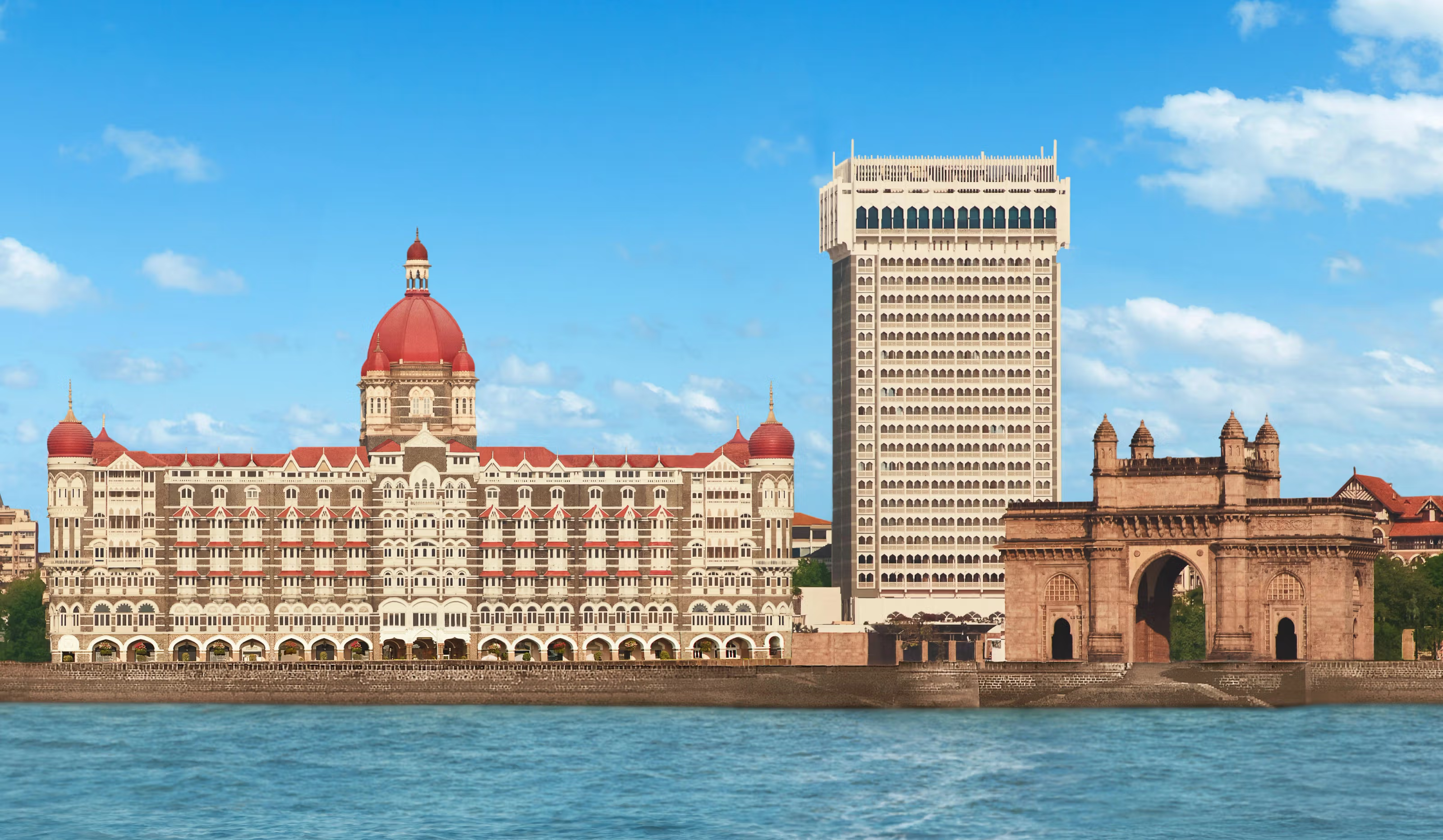


India doesn’t reveal her most profound luxuries to everyone—only to those who know where to look, whom to ask, and how to arrive. The country’s most transformative luxury experiences India offers exist far beyond five-star hotel lobbies and standard concierge arrangements. They materialise through established relationships with royal families, conservation directors, temple authorities, and cultural gatekeepers who control access to experiences money alone cannot purchase. These encounters—whether a private dawn ceremony in a Himalayan monastery or an evening of Hindustani classical music in a maharaja’s family haveli—represent bespoke India travel at its most elevated: culturally profound, logistically seamless, utterly exclusive.
What distinguishes genuinely ultra-luxury India experiences from premium tourism is the quality of access and the depth of connection. You’re not observing India’s cultural treasures from a respectful distance—you’re participating, learning, creating relationships that transform understanding. These ten experiences represent the pinnacle of what becomes possible when expertise, relationships, and genuine passion for India converge.
Private Audience with Rajasthani Royalty in Their Personal Palace Quarters
The mahogany doors close behind you, sealing away the palatial hotel corridors where guests photograph marble fountains and frescoed ceilings. You’ve entered the private family wing—generations of portraits watching from silk-covered walls, ancestral silver gleaming in late afternoon light filtering through jali screens. The maharani arrives in a whisper of Banarasi silk, welcoming you not as a guest of the hotel, but as a guest of the family.

These encounters—dinner in private apartments, conversations over Royal Salute whisky in libraries containing centuries of family correspondence, examinations of jewellery collections whose emeralds once adorned Mughal emperors—represent exclusive India experiences arranged not through standard luxury travel channels, but through personal relationships cultivated over decades. The Maharaja of Jodhpur doesn’t dine with every guest at his hotel. The Maharani of Udaipur doesn’t open her personal photograph albums to tour groups. These privileges extend only to travellers introduced through trusted intermediaries who understand both protocol and genuine cultural curiosity.
Royal family encounters require introduction minimum six weeks ahead, with clear understanding of your specific cultural interests rather than general sightseeing expectations. These aren’t photo opportunities—they’re genuine conversations about preservation, legacy, and contemporary royal life.
What transforms these afternoons from mere privilege into genuine insight is the quality of conversation. You’re learning how twenty-first-century royalty balances heritage preservation with contemporary hospitality entrepreneurship, how conservation of crumbling forts competes with family education expenses, how ancient traditions adapt without dissolving. The maharaja explaining his water harvesting initiatives across ancestral villages. The maharani describing the challenge of maintaining traditional crafts guilds. History breathing, adapting, persisting through living voices rather than museum captions.
Sunrise Meditation with Himalayan Buddhist Masters in Private Monasteries
Four-thirty comes cold and crystalline at 3,500 metres. Prayer flags snap in pre-dawn wind as you cross flagstone courtyards toward the gompa, where butter lamps already flicker before gilt Buddha rupas. The high lama—seventy-three years in these mountains, fifty-two in monastic practice—waits in the meditation hall. This morning’s teaching on tonglen practice was arranged three months ago through the monastery’s abbot, who studied with your guide’s teacher in Dharamshala twenty years past. Connections matter in Himalayan Buddhism. Genuine practice matters more.

The luxury here isn’t thread count or Michelin stars—though your lodge seventeen kilometres away offers both. It’s access to authentic Buddhist teaching from masters whose practice predates Western interest in mindfulness by half a century. Dawn puja in Hemis Monastery before tourist buses arrive. Private meditation instruction in Tawang’s libraries. Conversations about Vajrayana philosophy over butter tea in quarters where few outsiders venture. These experiences differ entirely from resort “wellness tourism” because they’re rooted in genuine religious practice, requiring respect, preparation, and understanding of what you’re requesting.
The luxury here isn’t thread count or Michelin stars—it’s access to authentic Buddhist teaching from masters whose practice predates Western interest in mindfulness by half a century.
Your accommodation balances this spiritual intensity with contemporary comfort—Shakti lodges in Ladakh, TUTC’s properties in Sikkim—where underfloor heating, organic cuisine, and profound silence allow integration of what dawn practice reveals. The contrast itself becomes meaningful: rigorous meditation practice at altitude, then return to lodges where Nespresso machines and cashmere throws await. India has always understood that spiritual seeking need not require physical suffering.
Behind-the-Scenes Access to UNESCO Heritage Sites Before Dawn
The Archaeological Survey of India official checks his watch: 5:47 AM, thirteen minutes before official sunrise, forty-three minutes before public gates open. Your small group—never more than six—walks through employee entrances toward the Taj Mahal’s eastern gate. No crowds. No queues. No other visitors yet aware this morning has begun. The monument emerges from river mist precisely as Shah Jahan intended viewers to experience it: sublime, solitary, seemingly conjured from reverence itself.
Pre-opening access to India’s most significant monuments—Humayun’s Tomb, Fatehpur Sikri, the Qutb Minar complex, Hampi’s Virupaksha Temple—requires months of permission applications, security clearances, and relationships with conservation directors who control after-hours access. Your Archaeological Survey expert doesn’t recite standard historical facts. She discusses sixteenth-century hydraulic engineering at Fatehpur Sikri’s water systems. He explains pigment analysis revealing Afghan lapis lazuli in Humayun’s Tomb inlay work. You’re receiving interpretation usually reserved for academic delegations and conservation specialists.
These dawn encounters transform monuments from photographed icons into understood architecture. You’re learning why Akbar positioned Fatehpur Sikri’s Buland Darwaza at precisely that angle to catch morning light. How Vijayanagara Empire engineers achieved Hampi’s sophisticated irrigation across boulder landscape. The human intelligence and artistic vision behind structures that standard tours reduce to construction dates and selfie backgrounds. This depth of access—the right expert, the empty monument, the quality of light—defines what private India tours at the highest level make possible.
Exclusive Tiger Sightings from Private Conservation Vehicles with Leading Field Biologists
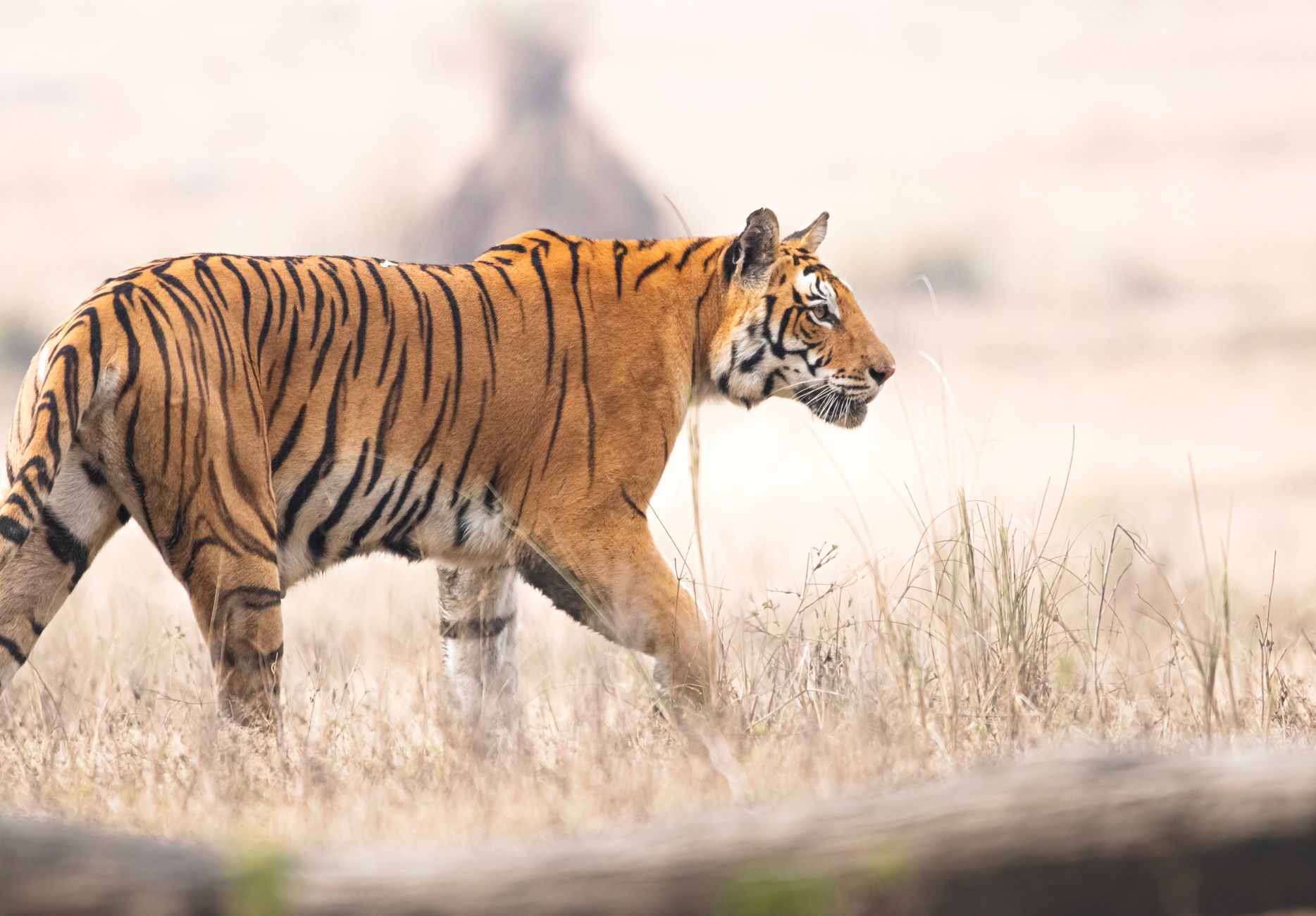
Your naturalist cuts the engine. Silence floods the sal forest—then langur alarm calls cascade through canopy. She’s close. The tigress your guide has tracked for seven years, whose territorial patterns he’s mapped across nineteen square kilometres, whose three sub-adult cubs represent crucial genetic diversity for this park’s recovering population. He knows her. She tolerates his vehicle. For the next forty minutes, you watch apex predator behaviour most wildlife tourists never glimpse: scent marking, prey assessment, the liquid power of Panthera tigris moving through dappled forest light.
India’s finest wildlife experiences distinguish themselves not through luxury lodge amenities—though Taj Safaris and Oberoi properties deliver those flawlessly—but through guide expertise and strategic park access. Your naturalist holds doctoral research credentials, published papers on predator-prey dynamics, relationships with park directors enabling access to zones where tiger density reaches highest levels. You’re learning to read pug marks, interpret alarm calls, understand why she chose this particular water source this specific morning. Wildlife observation becomes ecological education rather than mere sighting accumulation.
The lodges supporting these experiences position you minutes from prime zones—SUJÁN Jawai for leopards, Samode Safari Lodge for Ranthambore’s tigers, Jamtara Wilderness Camp for Pench’s predators. Morning safaris depart before sunrise. Evening drives extend until final legal light. Between excursions: naturalist lectures, camera technique workshops, cuisine that rivals urban five-star hotels. This integration of field expertise, strategic positioning, and genuine luxury defines wildlife travel for those who’ve experienced Africa’s finest camps and expect equivalent excellence in India.
Private Classical Music Concerts in Haveli Courtyards with Legendary Musicians
The sitar’s jawari buzzes through its first alaap phrase, unmistakable even before the tabla joins. Your host tonight—a Padma Bhushan recipient, Grammy-nominated, heir to six generations of dhrupad singers—chose Raag Yaman for evening performance in this eighteenth-century haveli courtyard because, he explained during your afternoon tutorial, its ascending phrases mirror sunset’s transition from day-consciousness toward night’s introspection. Twenty-three people occupy silk floor cushions. The concert won’t appear on any public schedule. This music exists tonight because you requested it, because relationships made it possible, because the maestro deemed your interest genuine rather than touristic.
India’s most profound musical experiences aren’t ticketed events—they’re private performances arranged through artist relationships, held in architectural settings that amplify acoustic subtlety. A sarod master performing in Jaipur’s Amber Fort private chambers. Kathak dancers interpreting Mughal court repertoire in Delhi’s restored havelis. Carnatic violin virtuosos in Thanjavur Brahmin quarter courtyards. These evenings require understanding what you’re requesting: not entertainment, but participation in living classical traditions where improvisation, raga theory, and spiritual discipline converge.
Your preparation matters. The pre-concert session where the artist explained raga structure, demonstrated melodic development, discussed his guru’s teaching lineage. Your questions revealing genuine curiosity rather than polite attendance. Indian classical musicians—especially those of national and international stature—perform privately only for audiences demonstrating real interest in understanding their art form. The evening’s depth comes not from the setting’s beauty, though these havelis are magnificent, but from the quality of musical communication when an artist knows listeners comprehend what they’re attempting.
Curating Your Personal Portfolio of Transformative Indian Experiences
These ten experiences—and dozens more like them—don’t arrange themselves through standard luxury travel bookings. They materialise through established relationships: with royal families who’ve welcomed our clients into private quarters for fifteen years; with monastery abbots who trust our understanding of Buddhist protocol; with ASI officials who know our groups respect conservation guidelines; with naturalists whose field expertise we’ve relied upon across hundreds of safaris; with musicians who’ve performed for our travellers in settings from Rajasthani forts to Kerala temple courtyards.
Royal India Holidays exists precisely to provide this calibre of access. We don’t sell itineraries—we design journeys combining multiple extraordinary experiences into coherent narratives that honour your time, your interests, and your expectations of genuine luxury. Perhaps your focus is spiritual practice in Himalayan monasteries, with wildlife safaris balancing intensive meditation. Perhaps you’re drawn to artistic immersion: miniature painting with Jaipur’s finest artists, textile creation with Varanasi’s master weavers, classical music in settings where acoustics and architecture unite. Or perhaps transformation comes through depth rather than breadth: three weeks in Rajasthan, cultivating relationships with one royal family, one wildlife park’s ecosystems, one region’s artistic traditions.
Every extraordinary journey begins with conversation. We’d be honoured to discuss which experiences might define your personal discovery of India—and to begin arranging the relationships, permissions, and expertise that transform interest into genuine transformation. Speak with one of our India specialists about curating your bespoke itinerary.