

The roar of a Bengal tiger at dawn deserves an equally magnificent encore—and India’s most discerning travellers are discovering that the true art of safari lies not in a single destination, but in the thoughtful curation of what comes before and after. Indian safari resort pairings have evolved from logistical necessities into the defining element of truly transformative wildlife journeys, where each property becomes a carefully considered movement in a larger symphony of experience.
This approach represents a fundamental shift in how sophisticated travellers engage with India’s wilderness. No longer content with fly-in, fly-out safari lodge experiences, today’s connoisseurs understand that the contrast between destinations—the transition from palace courtyards to jungle clearings, from coastal horizons to alpine meadows—creates resonance that single-location itineraries simply cannot achieve.
The Art of Safari Pairing: Why Single-Destination Wildlife Trips No Longer Suffice
The evolution of luxury wildlife circuits in India mirrors the broader maturation of experiential travel itself. Where previous generations might have been satisfied with a four-night stay at a reputable tiger reserve, contemporary travellers seek narrative architecture—journeys that build momentum, create contrast, and allow for both exhilaration and contemplation. The finest bespoke wildlife itineraries India now recognize that safari experiences generate a specific emotional intensity that requires thoughtful counterbalance.

Consider the physiological reality of wildlife viewing: the pre-dawn wake calls, the adrenaline surge of a leopard sighting, the sensory overload of jungle sounds and dust-filtered light. These experiences deserve transitions that honor their impact rather than immediately launching into another high-stimulus environment. Strategic pairing allows for decompression—a palace courtyard where time moves differently, a wellness sanctuary where silence becomes restorative, a coastal property where horizons replace canopy cover.
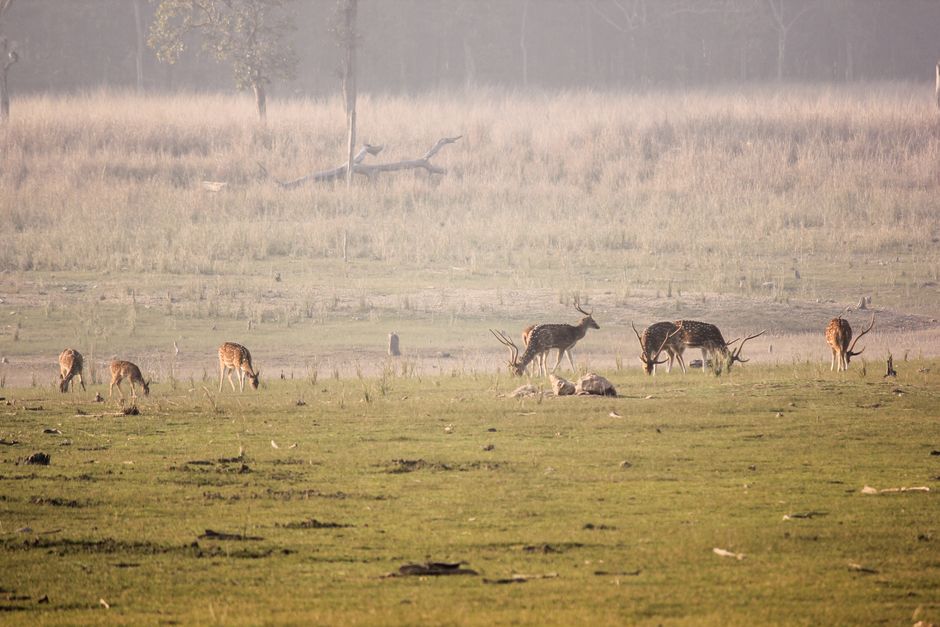
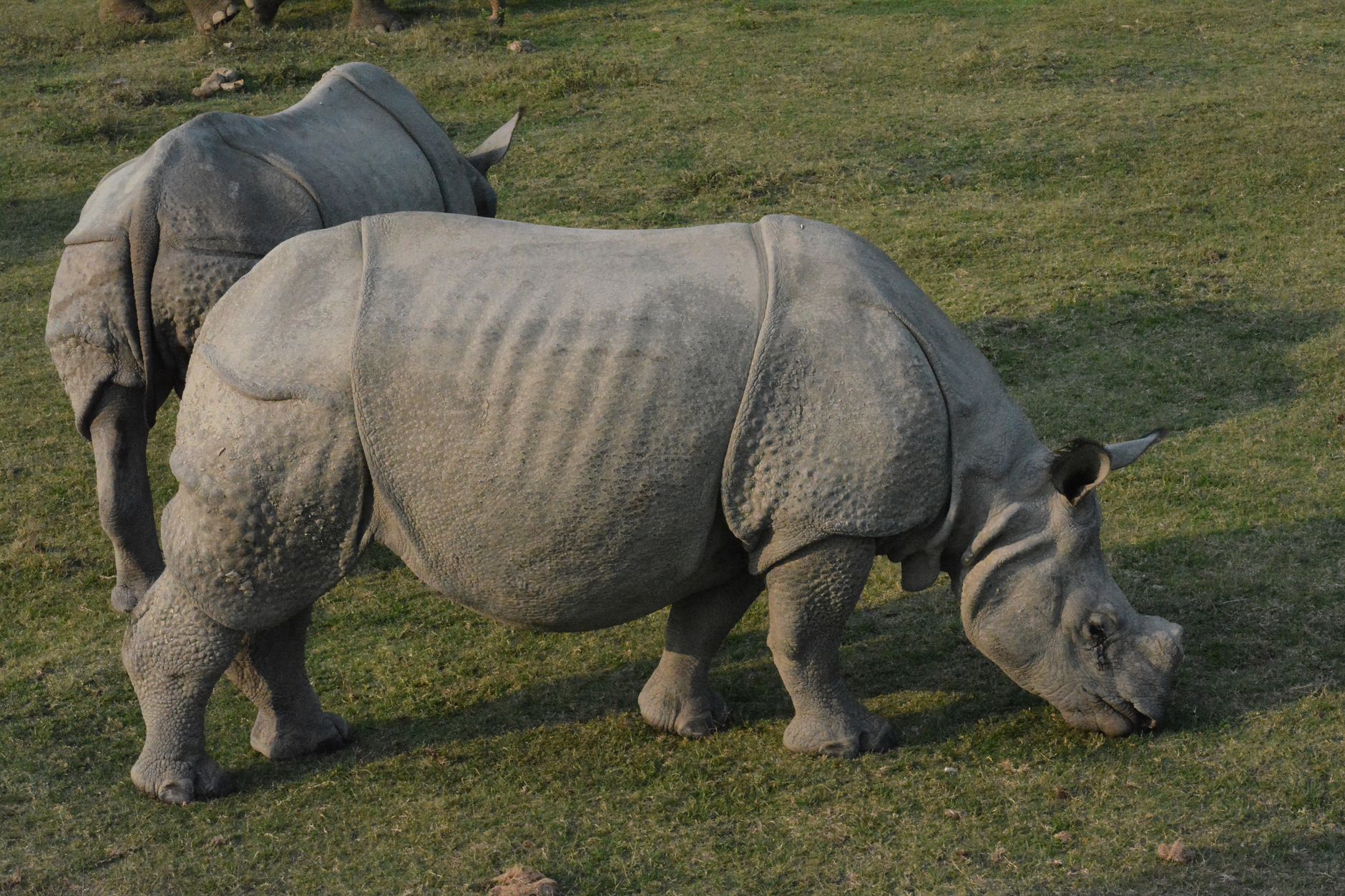
October through March offers optimal wildlife viewing across most Indian reserves, but the monsoon months (July-September) transform Corbett and Kaziranga into verdant paradises with exceptional birding—ideal for travellers pairing safaris with Himalayan retreats where rain becomes atmospheric rather than restrictive.
The practical considerations are equally compelling. India’s premier wildlife reserves operate within specific windows dictated by monsoon patterns and breeding seasons. Ranthambore typically closes mid-July through September; Bandhavgarh follows similar patterns. This seasonality creates natural opportunities for pairing: your Ranthambore safari in March transitions beautifully into Udaipur’s pre-monsoon languor, while October expeditions to Madhya Pradesh’s tiger triangle can begin with altitude acclimatization in the Himalayas when autumn clarity makes mountain views transcendent.
Ranthambore Refined: Pairing Rajasthan’s Tiger Territory with Palace Heritage
Rajasthan’s geographic concentration of both wildlife and architectural grandeur makes it perhaps India’s most natural laboratory for safari and cultural pairings. Ranthambore National Park sits within striking distance of Jaipur, Udaipur, and a constellation of heritage properties that transform a wildlife expedition into a meditation on Rajput aesthetics and Mughal refinement.

The most sophisticated approach begins in Jaipur, where three nights at Rambagh Palace or the more intimate Samode Palace provide cultural immersion before wilderness encounters. This sequencing matters: arriving in India and immediately diving into game drives can feel jarring, while beginning with palace courtyards, private astrologer consultations, and sunrise visits to Amber Fort allows your internal rhythm to synchronize with India’s tempo. The architecture itself becomes education—understanding how Rajput rulers designed for desert heat and monsoon rain prepares you to appreciate how wildlife adapts to these same climatic extremes.
From Jaipur, a three-hour private transfer to Ranthambore creates seamless transition. The landscape shifts from urban density to agricultural plains to scrubland forest, and suddenly you’re at Aman-i-Khas or Oberoi Vanyavilas, where tented luxury meets tiger territory. Three nights allows for five game drives—statistically sound for tiger encounters while leaving margins for the unexpected: a sloth bear foraging, a marsh crocodile basking, the particular magic of jungle light through sal trees at golden hour.
The finest safari pairings recognize that contrast between destinations creates resonance that single-location itineraries simply cannot achieve.
The post-safari destination completes the arc. Udaipur—reached via a scenic four-hour drive or 35-minute helicopter flight—offers everything Ranthambore is not: water where there was dust, marble where there was rock, architectural delicacy where there was raw nature. Three nights at Taj Lake Palace, where your suite floats on Lake Pichola, or Oberoi Udaivilas, where infinity pools mirror Aravalli hills, allows the safari experience to settle into memory rather than immediately fragmenting into the next adventure. Private boat cruises at sunset, palace museum visits, and simply sitting with morning chai watching egrets fish—these quieter pleasures honor what came before.
Madhya Pradesh’s Wildlife Trilogy: Pairing Bandhavgarh, Kanha, and Pench with Wellness Sanctuaries
Central India’s tiger reserves—Bandhavgarh, Kanha, and Pench—offer the subcontinent’s highest predator densities and most pristine sal forest ecosystems. Yet their geographic isolation and sensory intensity demand particularly thoughtful pairing strategies. The most successful exclusive safari extensions recognize that multiple wildlife properties require wellness and heritage intervals to maintain travel quality.
For travellers seeking the complete central Indian wildlife circuit, beginning with altitude and stillness proves transformative. Five nights at Ananda in the Himalayas—with its Ayurvedic consultations, guided meditation, and Ganges valley views—creates the physical and psychological resilience that multi-reserve safaris demand. Your body adjusts to India time; your mind releases the urgency that characterizes Western life. From this foundation, you arrive at Bandhavgarh’s Taj Safaris or Samode Safari Lodge already calibrated to early mornings and patient wildlife observation.
Between reserves, heritage properties provide cultural texture without high-stimulus demands. Chhatra Sagar—a luxury tented camp on an 1890s reservoir dam—offers authentic rural Rajasthan between Bandhavgarh and Kanha. Or consider Sarai at Toria near Pench, where village walks and traditional cooking classes ground you in agricultural rhythms that wildlife territories depend upon but rarely reveal. These intervals matter: they prevent safari fatigue while deepening your understanding of how human and animal landscapes interweave.
The circuit concludes with rejuvenation. RAAS Devigarh near Udaipur provides Aravalli mountain serenity with spa treatments using indigenous botanicals, while SwaSwara Gokarna on Karnataka’s coast offers Ayurvedic detox programs and Arabian Sea meditation—the salt air and wave sound creating perfect counterpoint to weeks of inland dust and diesel generators. This final phase transforms safari memories from exhausting highlight reel into integrated experience that continues informing your life long after return.
Logistics of Luxury: Seamless Multi-Property Safari Circuits
The distinction between adequate and exceptional safari pairings ultimately manifests in logistics—specifically, in their invisibility. Royal India Holidays’ expertise lies not merely in identifying complementary properties but in orchestrating the connective tissue that transforms separate experiences into unified journeys.
Private aviation becomes essential for sophisticated wildlife circuits. Helicopter transfers between Ranthambore and Udaipur compress four-hour drives into 35-minute flights with aerial Aravalli perspectives unavailable from ground level. Charter flights connect Madhya Pradesh’s tiger reserves without the vagaries of commercial schedules. For certain routes, seaplane services—increasingly available in Kerala and Goa—add romance while solving practical access challenges.
The Maharajas’ Express presents another solution for travellers valuing journey as experience rather than merely transit. Selected departures allow wildlife extensions: join in Sawai Madhopur for Ranthambore, disembark in Gwalior for Bandhavgarh access, or coordinate Kolkata arrivals with Kaziranga expeditions. Your suite becomes constant even as landscapes transform.
Equally crucial: luggage forwarding and wardrobe coordination across properties. Safari lodges require neutral-toned clothing and sturdy footwear; palace hotels suggest elegant evening wear; wellness retreats need yoga attire and modest spa clothes. Rather than forcing clients to pack for every eventuality, we arrange advance baggage transfers and work with property concierges to ensure appropriate provisions arrive before you do. You travel with carry-on simplicity while enjoying full wardrobe functionality.
Seasonal strategy completes the logistical picture. Our specialists map your preferred travel dates against monsoon patterns, festival calendars, and wildlife breeding seasons to optimize each destination within your circuit. A November departure might pair Ranthambore with Pushkar Camel Fair before Udaipur’s winter perfection. February allows Kaziranga’s grasslands before pre-monsoon heat, followed by Himalayan rhododendron season. October coordinates Bandhavgarh’s opening with Dussehra celebrations and pre-winter Rajasthan clarity.
Royal India Holidays specializes in bespoke safari circuits that honor your travel rhythm—whether you seek palace grandeur, wellness sanctuaries, or coastal tranquility after your wildlife encounters. Our expertise lies in the seamless choreography of India’s finest properties, private access to conservation projects, and logistics that disappear into effortless luxury. Let us compose your perfect safari pairing—where every destination choice amplifies the wonder of the one before, and the journey itself becomes as memorable as the tiger that started it all.