

For the discerning traveller who recognizes that India’s vastness demands not a single journey but a carefully orchestrated series of regional immersions, the question shifts from ‘when should I visit?’ to ‘which regions in which quarters, and in what strategic sequence?’ Those who view India tours 2026 as a singular event rather than a year-long cultivation of experiences will inevitably face compromises — visiting Rajasthan when the heat renders palace courtyards inhospitable, or attempting Kerala’s backwaters when monsoon rains have passed and the landscape loses its emerald intensity. The sophisticated approach treats India not as a destination to be ticked off, but as a relationship requiring strategic quarterly engagement, each visit timed to capture specific regions at their absolute zenith.
The Multi-Visit Philosophy: Why India’s Regional Diversity Demands Quarterly Architecture
India spans climate zones from alpine Himalayan peaks to tropical coastal plains, arid Thar Desert expanses to subtropical river deltas — a geographic impossibility to experience optimally in a single journey without fundamental seasonal compromise. Attempting to cover Ladakh’s high-altitude monasteries, Kerala’s monsoon forests, Rajasthan’s winter palaces, and Bengal’s autumn festivals in one extended visit requires either poor timing for several regions or logistical gymnastics that sacrifice the unhurried pace essential to genuine immersion.
The portfolio approach recognizes this reality. Consider how connoisseurs build wine cellars — not in a single transaction, but through strategic acquisitions aligned with vintage quality, regional specialization, and maturation windows. Bespoke India itineraries structured as quarterly visits function identically: each journey targets specific regions during their optimal seasonal window, building a comprehensive experiential collection across the year that single-trip travellers simply cannot access.
Returning quarterly creates exponential access advantages — palace families remember your previous visit, Ayurvedic physicians tailor progressive treatments, wildlife guides reserve prime safari slots, and temple priests facilitate ceremonies typically closed to outsiders. This compounding privilege remains invisible to one-time visitors.
One of our collectors — a tech entrepreneur from San Francisco — structured his 2026 calendar around four precise regional windows: March in the Himalayan foothills for pre-monsoon spiritual immersion, June across Karnataka’s temple corridor before summer heat peaked, August in Ladakh during the singular high-altitude window, and November across central India’s wildlife parks when tiger visibility reaches annual maximum. Each journey lasted twelve days. Together, they delivered regional mastery impossible to achieve in a single month-long visit, regardless of budget.
Quarter 1 (January-March 2026): The North & Desert Kingdoms Window
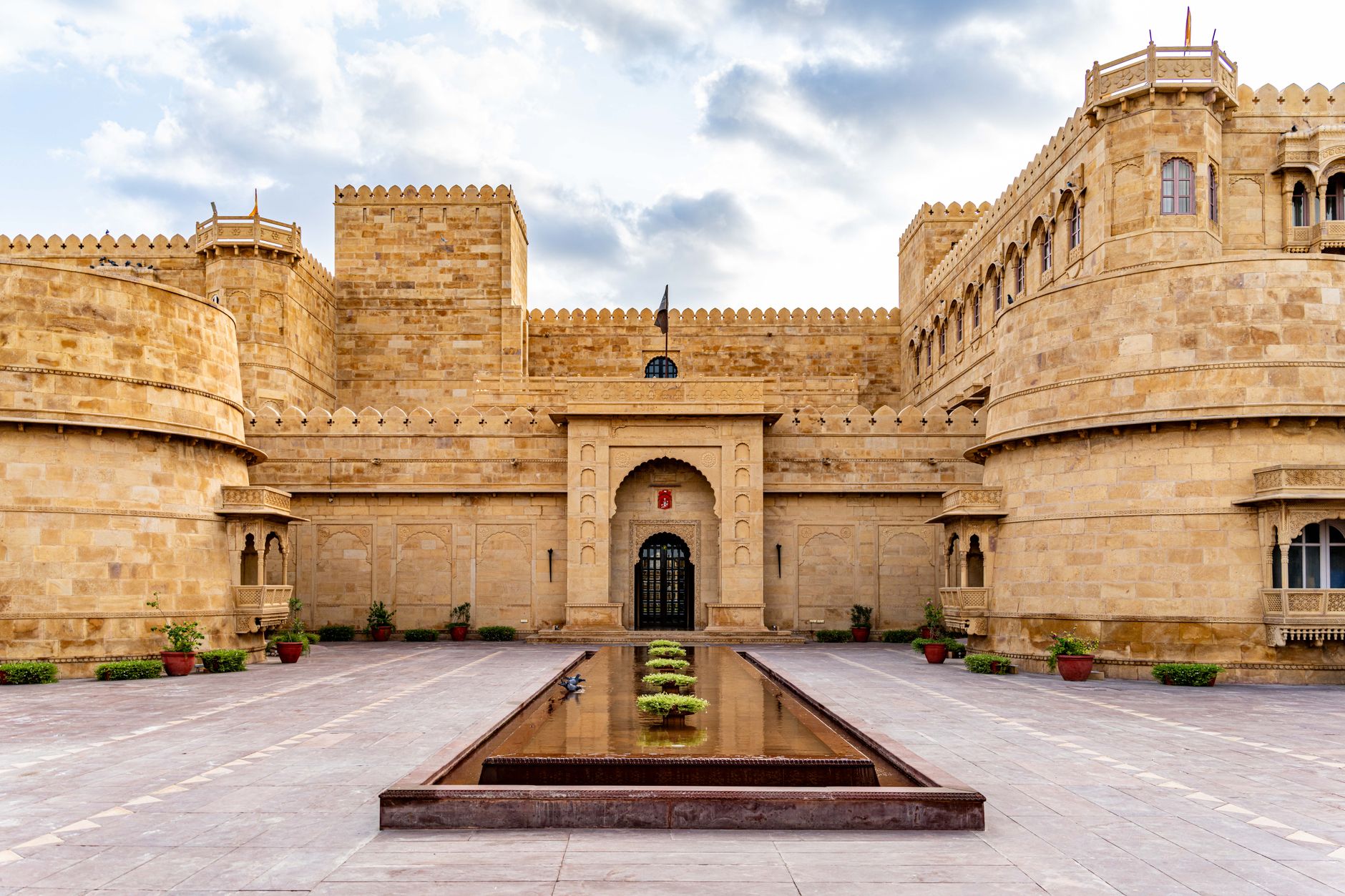
January through March owns Rajasthan with meteorological certainty. The desert kingdoms deliver crystalline blue skies, temperatures hovering between fifteen and twenty-five degrees, and atmospheric clarity that transforms sandstone forts into subjects worthy of Mughal miniature paintings. Udaipur’s Lake Pichola reflects perfect mirror images of City Palace at dawn. Jaisalmer’s golden ramparts glow without heat haze distortion. This is when heritage properties operate at their architectural best — courtyards become open-air dining rooms, rooftop terraces transform into evening salons, and palace suites achieve their designed purpose as winter retreats rather than air-conditioned necessities.
Beyond weather, Q1 delivers Rajasthan’s exclusive cultural calendar. The Jaipur Literature Festival unfolds in late January, bringing global literary minds to Diggi Palace. February hosts private Holi celebrations within aristocratic estates — not the public colour-throwing chaos, but intimate family ceremonies where natural pigments are prepared according to centuries-old recipes and application follows ritual precision. The Nagaur Cattle Fair offers desert pastoral culture without Pushkar’s overwhelming crowds.
The Himalayan foothills present their own Q1 advantages. Rishikesh and Haridwar enjoy pre-monsoon clarity — the Ganges flows swift and clean, mountain peaks form sharp silhouettes against cobalt skies, and temple ceremonies proceed without summer’s punishing heat or winter’s bone-deep cold. This is the window for private ashram immersions, when yogic lineage holders have time for meaningful dialogue rather than managing tourist groups.
Those who view India tours 2026 as a singular event rather than a year-long cultivation will inevitably face compromises that privilege and planning could have eliminated entirely.
Strategic pairing becomes crucial: combining Delhi’s Mughal architectural treasury with Agra’s Taj Mahal precision, then pivoting to Ranthambore before March heat arrives and tiger sightings decline. Or linking Jaipur’s City Palace private sections with Jodhpur’s Mehrangarh Fort conservation areas, accessing spaces closed to general tourism. The multi-trip India strategy allows Q1 focus exclusively on northern cultural depth without forcing southern compromises.
Quarter 2 (April-June 2026): The Southern Temple Corridor & Hill Station Sanctuary Strategy
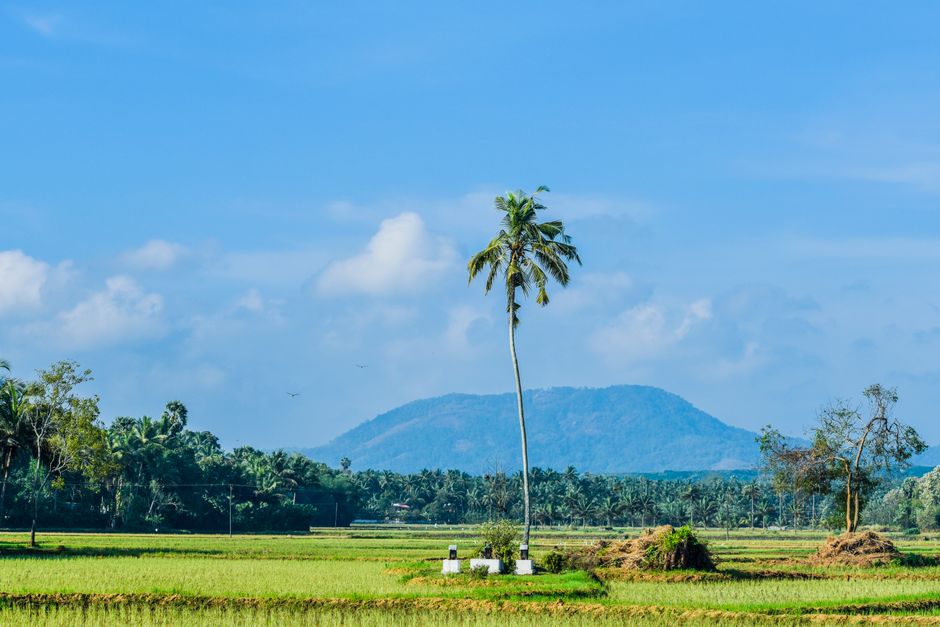
While northern plains bake under pre-monsoon furnace conditions, South India enters its temple festival zenith and coastal sanctuary window. Tamil Nadu’s Chola bronze deities process through temple corridors during Brahmotsavam celebrations. Kochi’s kathakali performers deliver their most ambitious productions to appreciative local audiences rather than cruise-ship crowds. The Arabian Sea remains calm, perfect for backwater houseboats that navigate palm-fringed canals in meditative solitude.
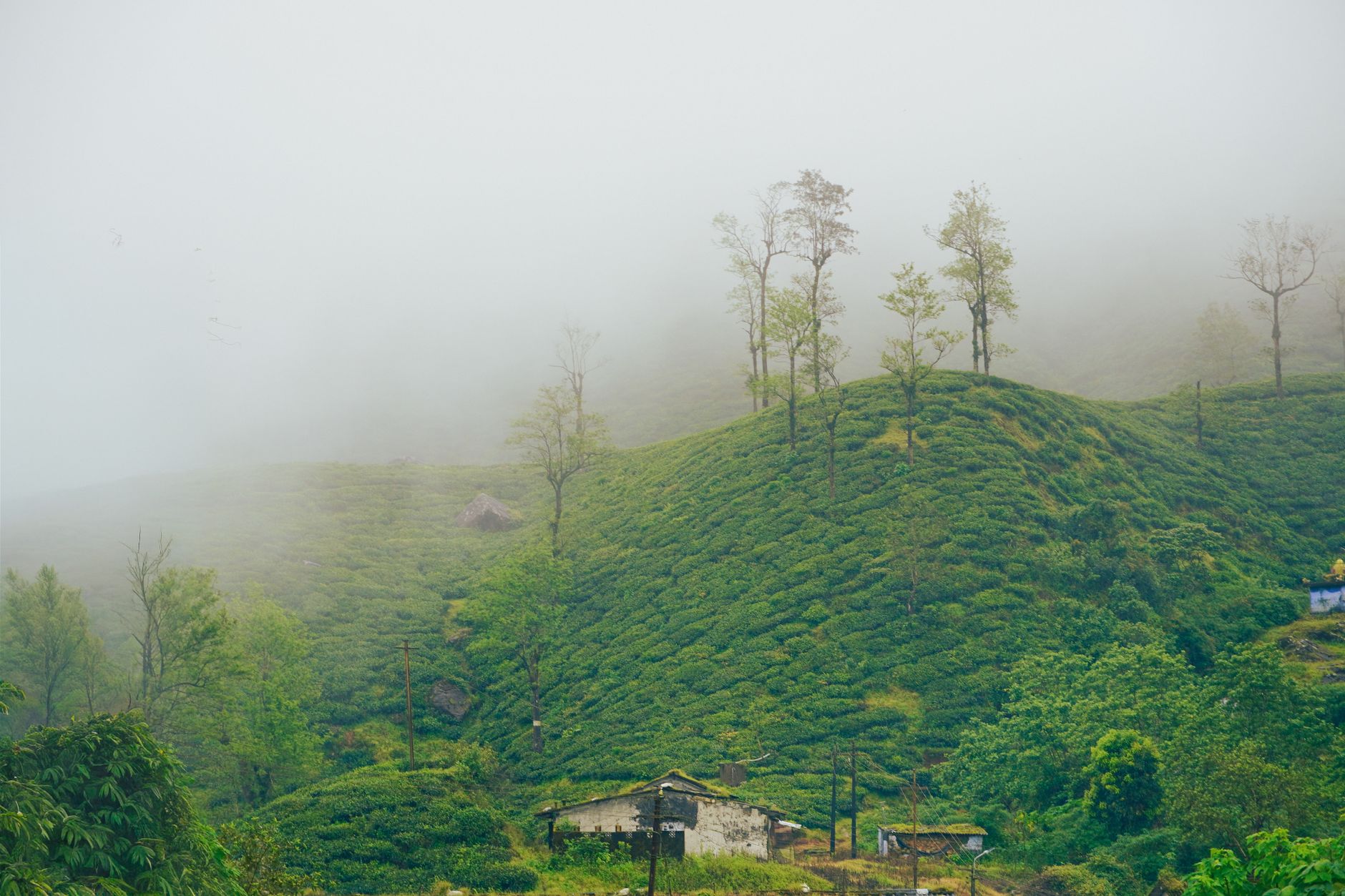
The sophisticated Q2 approach structures journeys around altitude gradients. Spend mornings exploring Thanjavur’s Brihadeeswarar Temple when early light illuminates granite carvings, then retreat by midday to Coonoor’s colonial-era tea estates where temperatures drop fifteen degrees and misty mountain vistas replace coastal humidity. Karnataka’s Coorg coffee plantations offer similar sanctuary — luxury homestays nestled in spice forests where afternoon thunderstorms provide natural air conditioning and evening temperatures require cashmere wraps.
This is when seasonal destination planning delivers tangible comfort advantages. While April-June challenges northern regions with forty-degree heat, the Nilgiri mountains maintain pleasant daytime warmth and cool evenings. The Western Ghats’ pre-monsoon greenery reaches maximum intensity. And South India’s cultural infrastructure — Bharatanatyam performances in Chennai, Carnatic music concerts in Mysore, classical arts festivals in Thrissur — operates at full programming strength, catering to sophisticated local patronage.
Q2 privilege extends to exclusive access. Palace museums in Mysore and Thanjavur thin of visitors, allowing private viewings of jewel-encrusted howdahs and ancient manuscripts. Spice plantation owners have time for guided walks explaining cultivation techniques refined over generations. Ayurvedic resorts in Kerala prepare for monsoon season by offering shoulder-season availability in their finest accommodations — the same rooms that will be fully booked come July.
Quarter 3 (July-September 2026): The Monsoon Connoisseur’s Counter-Intuitive Masterclass
Most travellers avoid monsoon season. This represents their loss and your opportunity. Kerala’s Ayurvedic treatments reach maximum efficacy during monsoon months when increased humidity allows herbal oils to penetrate more deeply, and the body’s receptivity to panchakarma detoxification peaks according to traditional medical calendars. The Western Ghats transform into cascading emerald terraces, waterfalls multiply across mountain faces, and the entire landscape achieves a verdant intensity impossible during dry months.
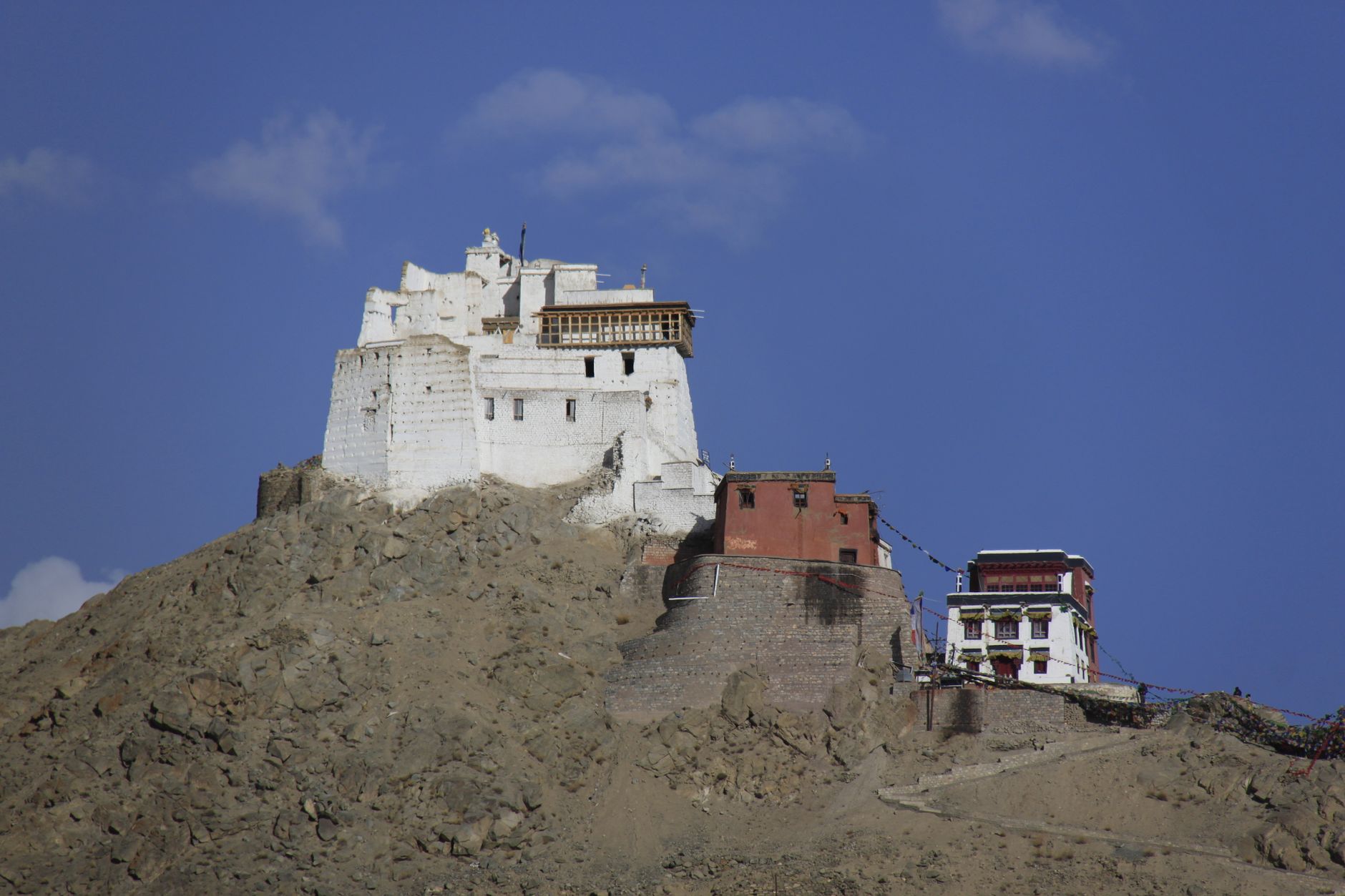
Simultaneously, July through September opens Ladakh’s high-altitude window — the only months when mountain passes permit access to this Buddhist desert kingdom. Hemis Festival unfolds in early July, when Drukpa lineage monks perform sacred cham dances in monastery courtyards ringed by barley fields and backed by snowcapped peaks. The Nubra Valley’s double-humped Bactrian camels traverse white sand dunes at fourteen thousand feet elevation. Pangong Lake reflects impossible blues against mountain browns.
The monsoon advantage extends to architectural tourism. Rajasthan’s forts and palaces — overwhelming in their sandstone massiveness under summer sun — acquire dramatic transformation during rains. Storm clouds create chiaroscuro lighting across courtyards. Empty ramparts allow contemplative walks without crowds. Palace administrators have time for detailed architectural discussions rather than managing tourist flows.
This quarter delivers experiences unavailable elsewhere in the calendar. Himalayan truffle season peaks in August — private foraging expeditions with Kumaoni guides who guard ancestral collection territories. Palace properties host monsoon festivals with reduced guest counts, offering genuine interaction with heritage families. Meditation retreats in Uttarakhand operate at peak spiritual potency when summer pilgrims have departed and winter cold hasn’t yet arrived.
Quarter 4 (October-December 2026): The Wildlife, Festival & Winter Luxury Convergence
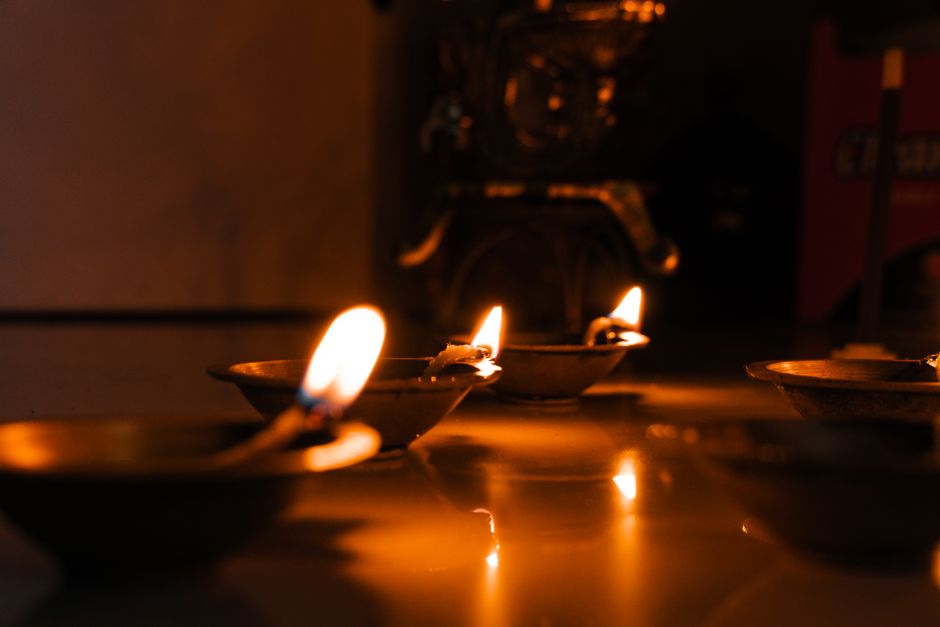
October through December represents India’s apex season, when meteorological perfection coincides with cultural celebration and wildlife visibility. Post-monsoon landscapes retain greenery while humidity dissipates. Tigers emerge from dense cover to bask on safari tracks. Festival calendars explode — Diwali’s lamp-lit celebrations in November, Pushkar’s camel fair transforming desert into temporary city, regional harvest festivals marking agricultural cycles.
The regional rotation luxury travel strategy recognizes Q4 as the wildlife cornerstone. Central India’s tiger reserves — Bandhavgarh, Kanha, Pench, Tadoba — achieve annual maximum sightings between October and December when predators patrol open territories and diminished ground cover eliminates concealment. Luxury lodges operate at full capacity with expert naturalists, gourmet safari dining, and photography guides who understand golden-hour positioning.
This quarter also unlocks Northeast India’s hidden window. Assam’s tea estates conduct final flushes, offering garden tours through perfectly manicured plantations. Kaziranga National Park opens for one-horned rhinoceros sightings. Hornbill Festival in Nagaland gathers tribal communities for cultural celebration before winter fog descends. These experiences require October-November timing; wait until December and visibility drops dramatically.
Festival architecture becomes essential — structuring journeys that capture Diwali’s spiritual significance without sacrificing luxury privacy, experiencing Pushkar’s pastoral authenticity while maintaining five-star comfort in permanent tented camps positioned away from fair chaos. Q4 rewards advance planning with shoulder-season value at properties that command premium rates during peak weeks but offer exceptional availability immediately before and after major festivals.
Building Your Personal 2026 Rotation: The Royal India Holidays Consultation Framework
Constructing your quarterly rotation requires mapping personal passions against seasonal windows. Wildlife enthusiasts prioritize Q1 and Q4 for Ranthambore and central India parks. Spiritual seekers might anchor around Q1 Himalayan retreats and Q3 monsoon meditation. Arts connoisseurs structure around Q2 South Indian classical seasons and Q4 festival performances. Wellness devotees build around Q3 monsoon Ayurveda and Q1 yoga immersions.
Our complimentary rotation consultation begins with understanding your specific interests, then architecting a year-long engagement that maximizes regional diversity while aligning with optimal seasonal conditions. We map not just weather patterns, but cultural calendars, wildlife migration cycles, agricultural harvests, festival schedules, and exclusive access windows that shift quarterly.
The relationship dimension compounds over repeated visits. Palace families begin recognizing your name. Wildlife guides remember your photography preferences and reserve prime safari vehicles. Ayurvedic physicians develop progressive treatment protocols across multiple stays. Temple priests facilitate ceremonies typically restricted to devotees. This progressive access remains completely invisible to single-visit travellers, regardless of budget.
Each quarterly journey represents an investment of £20,000-£25,000 — a commitment to depth over breadth, to seasonal precision over calendar convenience, to relationship cultivation over transactional tourism. Together, four quarterly visits create comprehensive regional mastery that transforms India from destination to ongoing dialogue.
If you’re ready to architect your 2026 quarterly rotation strategy, our India specialists are available for confidential consultation. We’ll discuss your specific interests, optimal seasonal pairings, and how to structure four regional immersions that build progressive depth rather than superficial coverage. This is how discerning travellers approach India — not as a place to visit, but as a relationship to cultivate across carefully chosen seasonal moments. Speak with a Royal India Holidays specialist to begin mapping your 2026 regional rotation architecture.