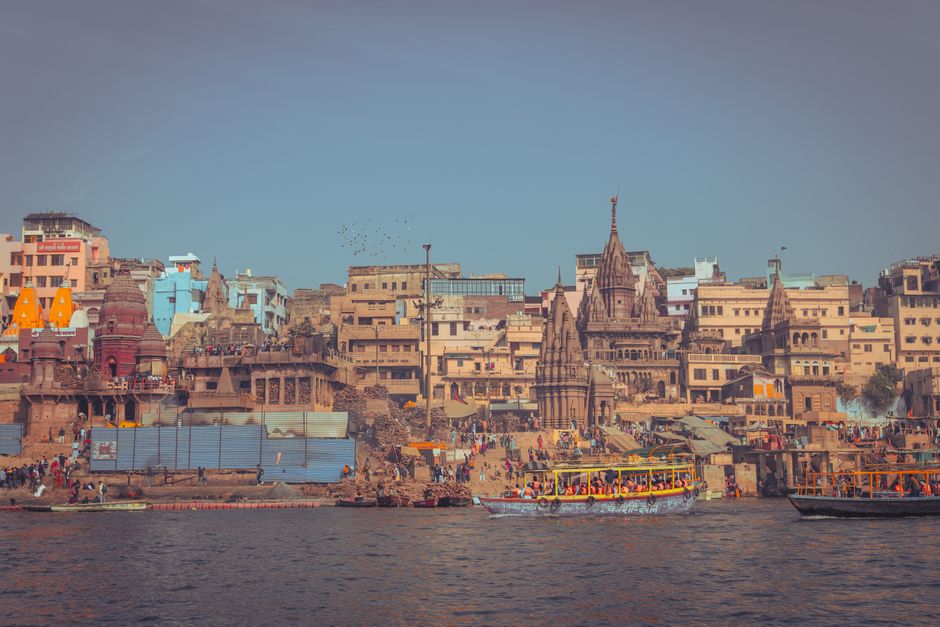


While most travellers plan India journeys around weather patterns, the truly discerning understand that 2026 presents a once-in-a-generation convergence of cultural milestones, heritage completions, and institutional anniversaries that will fundamentally reshape how one experiences the subcontinent’s civilizational depth. For those who collect transformative experiences rather than merely accumulate destinations, India tours 2026 represent something unprecedented: the alignment of decades-long restoration projects, museum expansions revealing never-before-seen collections, and exclusive commemorative programming that together create access opportunities simply unavailable in any prior year.
This isn’t about timing your visit to avoid crowds or secure optimal weather—considerations that matter, certainly, but pale beside the substantive question of what becomes accessible when institutional anniversaries, heritage completions, and cultural programming converge. The difference between visiting India in 2025 and 2026 mirrors the distinction between viewing a masterwork through gallery glass versus being invited into the conservation studio itself.
The 2026 Cultural Calendar: Five Heritage Milestones Reshaping Luxury India Tours
The restoration of Hampi’s royal enclosure—a project consuming the better part of a decade—reaches completion this year, and with it comes something extraordinary: private after-hours access to the Vijayanagara Empire’s administrative heart. For the first time since the 16th century, when the kingdom fell, visitors can stand within the Mahanavami platform’s upper terraces as evening light transforms the boulder-strewn landscape, accompanied by archaeologists who can read the spatial grammar of imperial power in every carved pillar and water channel. Similar completion marks Fatehpur Sikri, where Akbar’s abandoned capital now opens its meticulously restored Diwan-i-Khas for intimate musical performances using period instruments, the acoustics finally revealing why Mughal emperors considered this chamber the subcontinent’s finest listening room.
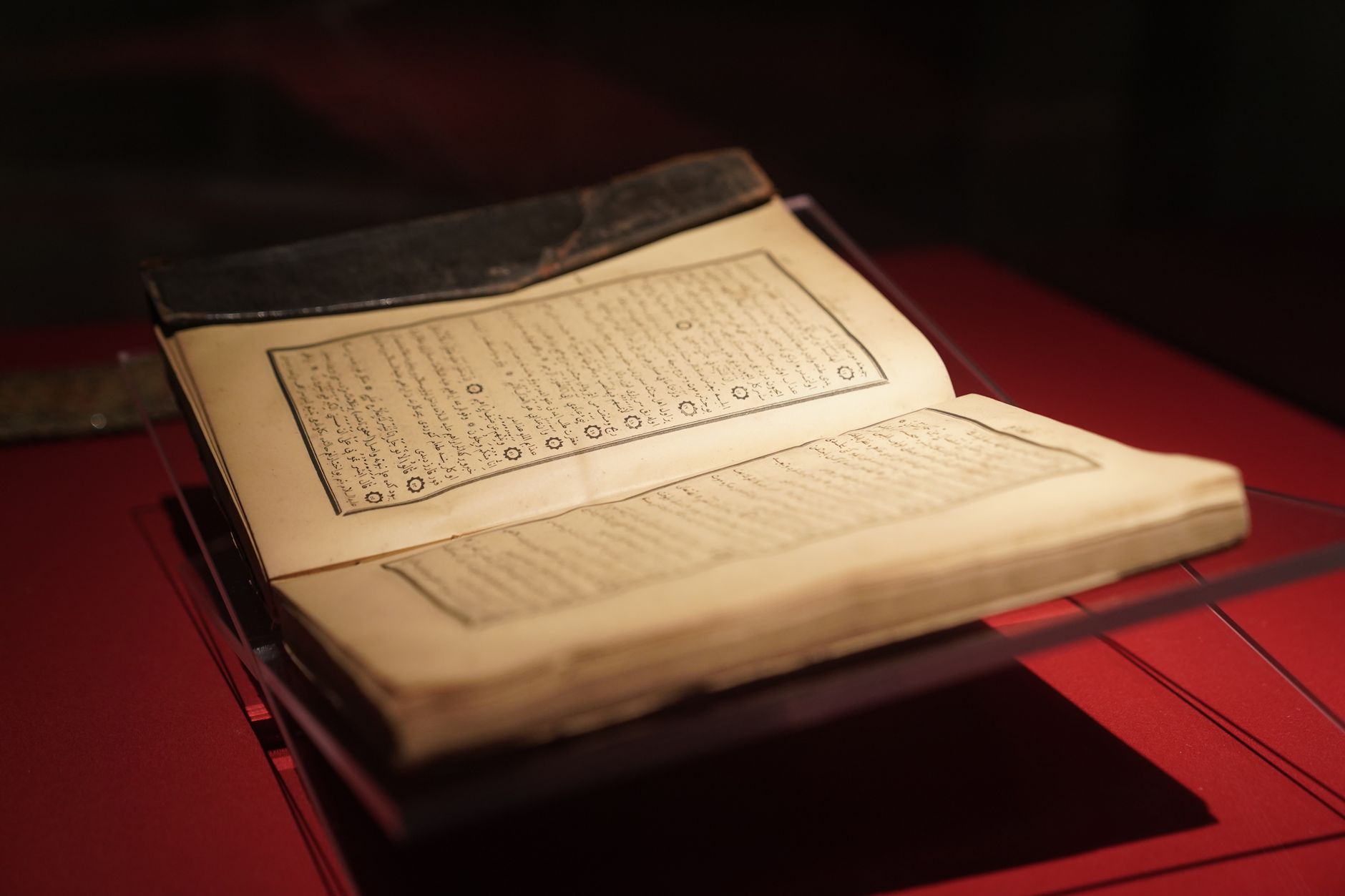
Varanasi’s new Yogi Adityanath Museum of Civilizational Heritage changes the equation entirely for those seeking depth over breadth. India’s first truly world-class antiquities institution—with climate-controlled galleries designed to international conservation standards—houses Sanskrit manuscript collections previously accessible only to academic researchers. The experience of examining 4th-century palm-leaf texts under curatorial guidance, understanding how linguistic evolution traces through calligraphic shifts, transforms abstract historical knowledge into something tangible and immediate.
The Archaeological Survey of India’s 75th anniversary programming includes unprecedented curator-led access to restricted palace archives and royal treasury collections at 23 heritage sites. These programmes accommodate maximum groups of four, require 90-day advance booking, and represent the ASI’s first-ever partnership with luxury travel operators for bespoke cultural access.
The year also marks the launch of India’s first luxury heritage train route through Bundelkhand—a region of medieval fortresses and temple complexes largely inaccessible to previous generations of travellers. But this isn’t another Palace on Wheels iteration; the carriages incorporate museum-quality exhibition spaces displaying rotating collections from regional royal families, while overnight halts occur at restored caravanserais where travellers dine within frescoed chambers last used by Mughal nobility. Meanwhile, centenary celebrations at institutions like the National Museum and Sangeet Natak Akademi create exhibition and performance access that simply won’t recur—private viewings of collections assembled specifically for these commemorations, classical dance presentations in heritage venues typically closed to performances, conversations with artists and scholars gathered for anniversary symposia.
Newly Accessible Cultural Treasures: Private Experiences Debuting in 2026
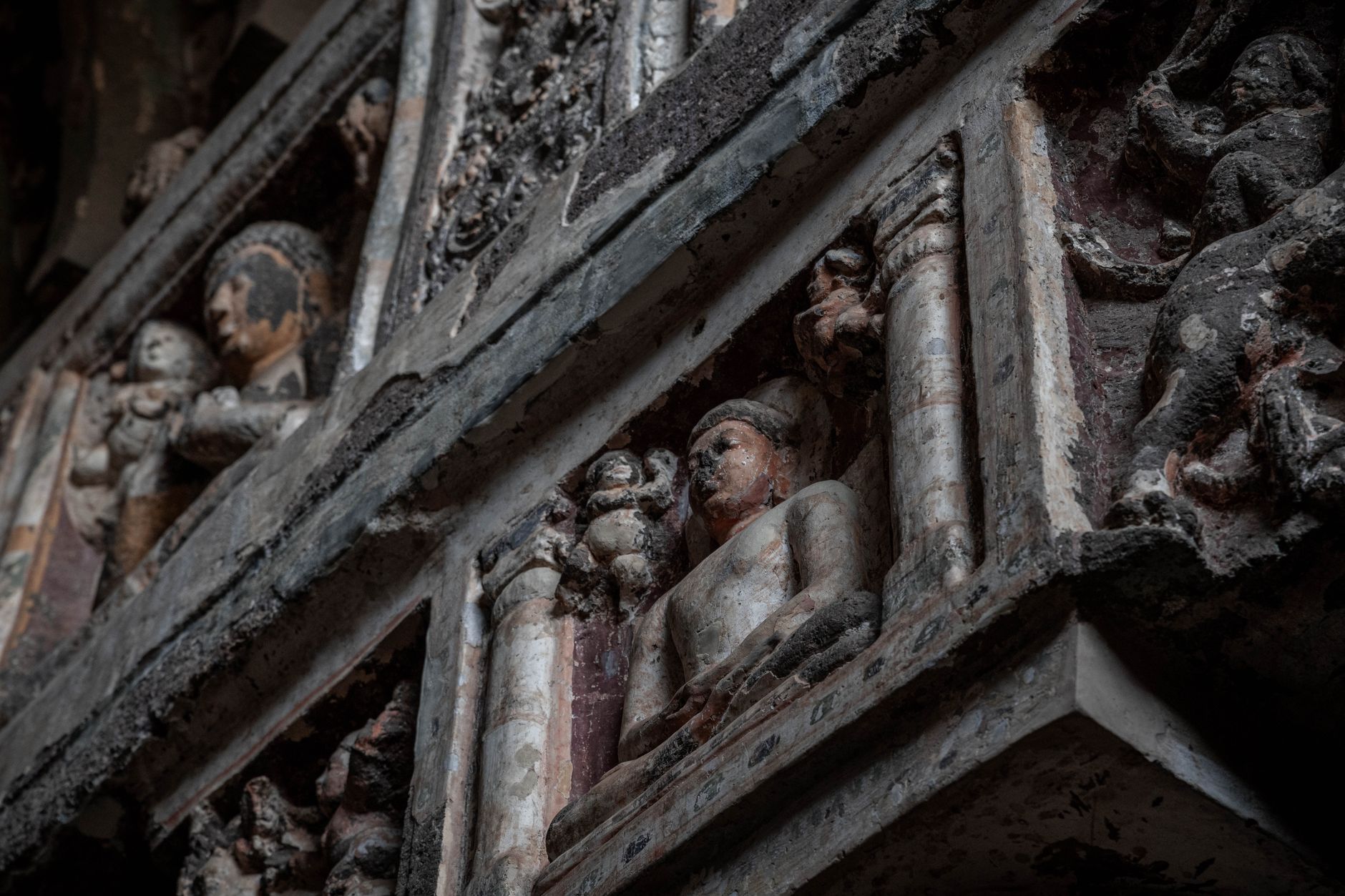
The Ajanta Caves have captivated art historians since their 19th-century rediscovery, but the 2nd-century Buddhist frescoes have always presented a profound challenge: viewing them meant competing with crowds in inadequate lighting, the paintwork’s subtlety lost to hasty glimpses. That changes definitively in 2026. Following completion of advanced lighting and climate control systems—a project requiring UNESCO oversight and Italian conservation expertise—the caves now offer private evening access for the first time. To stand alone before the Padmapani Bodhisattva as carefully calibrated lighting reveals pigment layers invisible in daylight, understanding how mineral-based paints shift tonally across temperature variations, constitutes a fundamentally different order of aesthetic encounter.

Mehrangarh Fort’s zenana quarters—the royal women’s chambers closed to visitors throughout the fort’s museum incarnation—emerge from restoration as an ultra-luxury private venue. The experience Royal India Holidays has crafted here exemplifies what bespoke India tours 2026 make possible: intimate classical music performances within chambers designed for Rathore princesses, the acoustics shaped by jali screens that simultaneously separated and connected spaces, followed by royal dining experiences using recipes from the Jodhpur palace archives, served on reproduction silver commissioned from the hereditary silversmiths who crafted the originals.
The difference between visiting India in 2025 and 2026 mirrors the distinction between viewing a masterwork through gallery glass versus being invited into the conservation studio itself.
The Calico Museum’s textile archive, considered among the world’s finest collections of Indian fabrics, has completed its digitization project—but the real transformation lies in access. Curated tours now include fourth-generation textile historians from hereditary weaving families, who can identify regional provenance from a fragment’s warp tension and explain how particular dye recipes encoded caste identity and trade guild affiliation. You’re not merely viewing centuries-old textiles; you’re understanding them as primary documents of economic history, social organization, and aesthetic philosophy.
Perhaps most remarkable are the archaeological expedition experiences to recently excavated Harappan sites in Gujarat and Haryana. Limited to twelve travellers per season and accompanied by lead archaeologists, these programmes offer something vanishingly rare in modern travel: genuine discovery. You’re examining pottery shards and seal impressions as they emerge from stratigraphic layers, participating in documentation processes, watching archaeological interpretation unfold in real time. Meanwhile, Gujarat’s newly restored stepwells—particularly the Rani ki Vav complex—now host immersive programmes exploring water ritual traditions and Sufi devotional practice, the underground chambers’ acoustics transforming qawwali performances into embodied spiritual experience.
The 2026 Curator Economy: How India’s Cultural Gatekeepers Are Transforming Bespoke Tours
Something fundamental has shifted in India’s cultural landscape: the emergence of a professional luxury cultural concierge class. Retired museum directors, palace archivists, hereditary knowledge keepers—individuals who previously remained within academic or institutional spheres—now offer private consultancy, bringing decades of expertise and institutional relationships to luxury India travel 2026 experiences. This isn’t about hiring local guides; it’s about travelling with the very people who wrote the scholarship, curated the collections, and maintain the relationships that unlock genuine access.
The partnership models developing between luxury travel and cultural institutions represent equally significant evolution. Major museums and heritage sites now recognize that carefully structured private programming—after-hours access, curator-led experiences, behind-the-scenes conservation studio visits—can fund ongoing preservation work while serving travellers whose interests align with institutional missions. Royal India Holidays has cultivated these relationships over two decades, but 2026 marks the year when such partnerships reach critical mass, enabling truly bespoke programming rather than minor variations on standard tours.
The ‘scholar-in-residence’ tour model takes this further still. Leading historians, archaeologists, and cultural anthropologists now accompany multi-week private journeys, their presence transforming how you engage with sites and traditions. Visiting Khajuraho with the art historian who authored the definitive monograph on Chandela dynasty sculpture means understanding not just iconographic programs but patronage networks, theological debates encoded in stone, and how temple architecture functioned as political statement. These aren’t lecture tours; they’re ongoing conversations with individuals at the apex of their fields, who can answer questions you didn’t know to ask.
Equally compelling are family archive access programmes, where aristocratic families open private collections to vetted travellers. You’re examining personal correspondence between 19th-century maharajas and colonial officials, viewing portrait miniatures never exhibited publicly, hearing oral histories passed through generations. The Rathores, Scindias, and Holkars have been India’s custodians of material culture for centuries; these programmes represent the first time such custodianship extends to serious cultural travellers. And increasingly, cultural India experiences 2026 incorporate philanthropic models where traveller participation directly funds restoration work—accompanied by unprecedented behind-the-scenes access to projects underway, meetings with conservation specialists, and genuine involvement in preserving India’s heritage.
Strategic Itinerary Planning for 2026: Timing Your Journey Around Cultural Access Windows
The January-to-March window offers optimal positioning for newly opened Himalayan monastery restoration completions—particularly the Tawang complex, where freshly conserved frescoes can now be viewed in temperature-controlled chambers, and winter festival performances occur at high-altitude sites made accessible through improved infrastructure. This period also captures the Jaipur Literature Festival’s expanded heritage programming and private museum previews ahead of spring tourist influxes.
April through June—traditionally considered off-season—becomes strategically valuable in 2026 for pre-monsoon archaeological expedition seasons and exclusive palace archive access. Many royal residences open their summer archives during this period, and the reduced visitor numbers mean heritage sites can accommodate private programming impossible during peak months. September to November aligns with major cultural institution anniversaries, curator-led exhibition previews, and performing arts festival premieres—the Khajuraho Dance Festival expands this year to include private performances within newly opened temple complexes, while Delhi’s museum anniversary programming includes collection access typically restricted to researchers.
December brings heritage train inaugural seasons and winter palace openings, providing access to royal residences previously summer-only. But perhaps most significantly, the year-round private viewing opportunities at climate-controlled museum expansions mean that private India journeys 2026 need no longer be constrained by traditional seasonal considerations. The new generation of Indian cultural institutions maintains consistent access regardless of weather patterns, fundamentally changing how one plans transformative cultural itineraries.
For those approaching India for the first time at this level of cultural depth, 2026 represents something unprecedented: the convergence of infrastructure improvements, heritage completions, and institutional maturity creating genuine ease of access to profound experiences. There’s a critical mass of luxury cultural programming now, allowing truly bespoke itineraries beyond standard heritage circuits. And there’s a window of exclusivity—before 2026’s successful projects scale up, potentially diluting the intimate access that makes these experiences transformative. This is the year to establish relationships with India’s emerging cultural concierge class, securing ongoing access to evolving private programmes.
Royal India Holidays’ 2026-specific programming leverages our two decades of cultural relationships to secure access other operators simply cannot replicate. If India’s civilizational depth speaks to your collecting instincts—if you recognize this year’s unique convergence—we invite you to begin a conversation with one of our specialists about how your particular interests might shape an itinerary worthy of this extraordinary moment.