

The difference between visiting India and truly understanding India lies not in the monuments you see, but in the doors that open only for those who know which ones to knock on. When we design India tours 2026 for our clients, we’re not building itineraries—we’re architecting cultural expeditions where every experience has been earned through decades of relationships, not purchased from a booking platform. The India you’ll encounter on a properly curated journey bears little resemblance to the India most travellers see, because genuine access to this country’s living heritage cannot be arranged in the months before departure. It must be orchestrated years in advance, one carefully cultivated relationship at a time.
By 2026, the travellers who experience India most profoundly won’t be those who simply fly business class and stay in five-star hotels. They’ll be those who understood early that this country rewards strategic thinking, cultural curiosity, and the wisdom to engage specialists who can translate their aspirations into access.
The Art of Strategic Timing: Why 2026 Calendars Demand Early Architectural Planning
The question we hear most often is why planning must begin eighteen months before departure. The answer lies in understanding that luxury heritage tours India cannot be assembled from available inventory—they must be constructed around moments that happen only once, and often only for those who’ve secured their place long before the world learns these moments exist.

In January 2026, Rajasthan’s Nagaur Cattle Fair transforms into something far more sophisticated than its name suggests: a gathering of tribal communities, puppet masters, and folk musicians that represents one of India’s most authentic remaining cultural exchanges. The difference between attending as a tourist and experiencing it as a cultural participant—with private access to the royal enclosure, introductions to hereditary musicians, and evenings in the homes of families who’ve traded here for generations—requires coordination beginning in spring 2025.
The same precision applies to climate optimization. Your tour architecture must account for India’s dramatically varied microclimates: Kerala’s backwaters shine in January and February, while the same months render Ladakh inaccessible beneath snow. November 2026 offers ideal conditions across Rajasthan, but by late February, temperatures climb toward uncomfortable. The Himalayan cultural regions—Sikkim, Bhutan extensions, Arunachal Pradesh—demand October or March/April timing. These aren’t flexible variables; they’re fixed constraints around which everything else must be designed.
UNESCO sites like Hampi and Khajuraho offer private dawn access—before public hours, often with ASI conservation officers as escorts—but only through relationships forged over years. These experiences cannot be purchased ad hoc; they require institutional trust that standard tour operators simply haven’t earned.
Perhaps most crucially, heritage properties with fewer than ten rooms—the palaces where you dine with the family that’s occupied them for four centuries, not merely sleep in rooms they’ve converted—maintain waiting lists measured in years for peak season dates. When we secured a five-night November 2026 window at Rohet Garh for a client in December 2024, we weren’t being cautious. We were being realistic about bespoke India tours that depend on access, not merely accommodation.
Beyond the Golden Triangle: Five Cultural Corridors Worth Building Your 2026 Tour Around
The Delhi-Agra-Jaipur circuit serves a purpose: it concentrates India’s most photogenic monuments into a digestible package. But the country’s most revelatory cultural experiences occur in corridors that require specialist knowledge to navigate, and the confidence to build your tour around substance rather than Instagram recognition.
Consider the Deccan Heritage Arc, stretching from Hyderabad’s Nizami culture through Hampi’s stupefying Vijayanagara ruins to Goa’s uniquely calibrated Portuguese-Indian fusion. This southern traverse reveals an India shaped by Islamic sophistication, Hindu empire building, and European colonialism—often within the same monument. In Hyderabad, your days should include not just Golconda Fort, but private time with families who’ve maintained Itr perfume houses since the Nizam’s court patronized them. In Hampi, standard visitors photograph ruins; our clients have watched sunrise from Queen’s Bath with an archaeologist who excavated it, understanding the hydraulic genius that made this a civilization, not just an empire.
The Silk Route Revival through Gujarat remains unknown to most luxury travellers, which is precisely why it rewards those willing to look beyond Rajasthan. Kutch’s craft villages—Bhujodi for weaving, Nirona for Rogan art—allow you to commission work directly from National Award-winning artisans whose families have practiced their craft for twenty-three generations. At Patan, the Rani ki Vav stepwell becomes more than architecture when experienced with a historian who can decode its sculpture as devotional narrative. These are curated India journeys where you’re not observing culture—you’re participating in its continuation.
The India you’ll encounter on a properly curated journey bears little resemblance to the India most travellers see, because genuine access to this country’s living heritage cannot be arranged in the months before departure.
For temple architecture enthusiasts, the reimagined trail through Odisha and Tamil Nadu offers something no northern circuit can: living sculpture traditions where the same families who carved Konark’s dancers still practice their craft. Arrange private dawn puja at Brihadeeswarar Temple in Thanjavur, led by brahmin priests whose Sanskrit recitations have echoed in that space for a millennium. Commission a Chola-style bronze from a Swamimalai artisan, understanding that you’re not buying a souvenir—you’re becoming a patron in a tradition that predates the Renaissance.
The Himalayan Cultural Crescent and the Forgotten Courts corridor through Shekhawati and Bikaner represent extremes of India’s cultural spectrum—one defined by Buddhist philosophy and mountain isolation, the other by Rajput martial culture and mercantile wealth. Both require different sensibilities, different pacing, and escorts with specialized knowledge. The traveller who understands Sikkim’s monastery networks well enough to attend a Cham dance rehearsal, or who dines privately with the Bikaner royal family in palace wings closed to their own hotel guests, has moved beyond tourism into genuine cultural exchange.
The Anatomy of a £20,000+ Tour: What Differentiates Bespoke from Premium
Let’s address the question directly: what does twenty-five thousand pounds buy that a ten-thousand-pound tour does not? The difference isn’t thread count or champagne brands. It’s the presence of a Mughal architecture scholar as your escort through Fatehpur Sikri, someone who can identify which sandstone jali screens show Persian versus indigenous motifs, and why that matters to understanding Akbar’s synthesis project. It’s staying at Samode Palace not as a hotel guest, but as someone the family invites to join their private Holi celebration, with access to palace wings and family traditions that remain invisible to standard bookings.
Your accommodation should function as cultural immersion, not merely comfort. The heritage properties worth your time maintain this distinction carefully: at Devi Garh, you’re not in a hotel—you’re in an eighteenth-century fort where the restoration itself becomes a lesson in Indian craftsmanship. At Chhatra Sagar, you sleep in luxury tents beside a nineteenth-century reservoir, but your days include private time with the family who built both, understanding their philosophy of responsible heritage stewardship. These properties don’t accept walk-in bookings because they’re not hotels. They’re family homes that open to guests they believe will appreciate what’s being shared.
Culinary experiences at this level constitute cultural archaeology. You’re not dining at palaces—you’re learning royal cooking techniques from chefs whose grandmothers served the Maharaja, understanding why certain spices appear in specific combinations, and why those combinations vary by region, season, and religious calendar. In Lucknow, your dum pukht lesson happens in the kitchen where these techniques have been preserved since the Nawabi era. In Chettinad, you’re purchasing spices from fourth-generation merchants who can trace each varietal to specific estates, then using them in a family kitchen that’s never operated commercially.
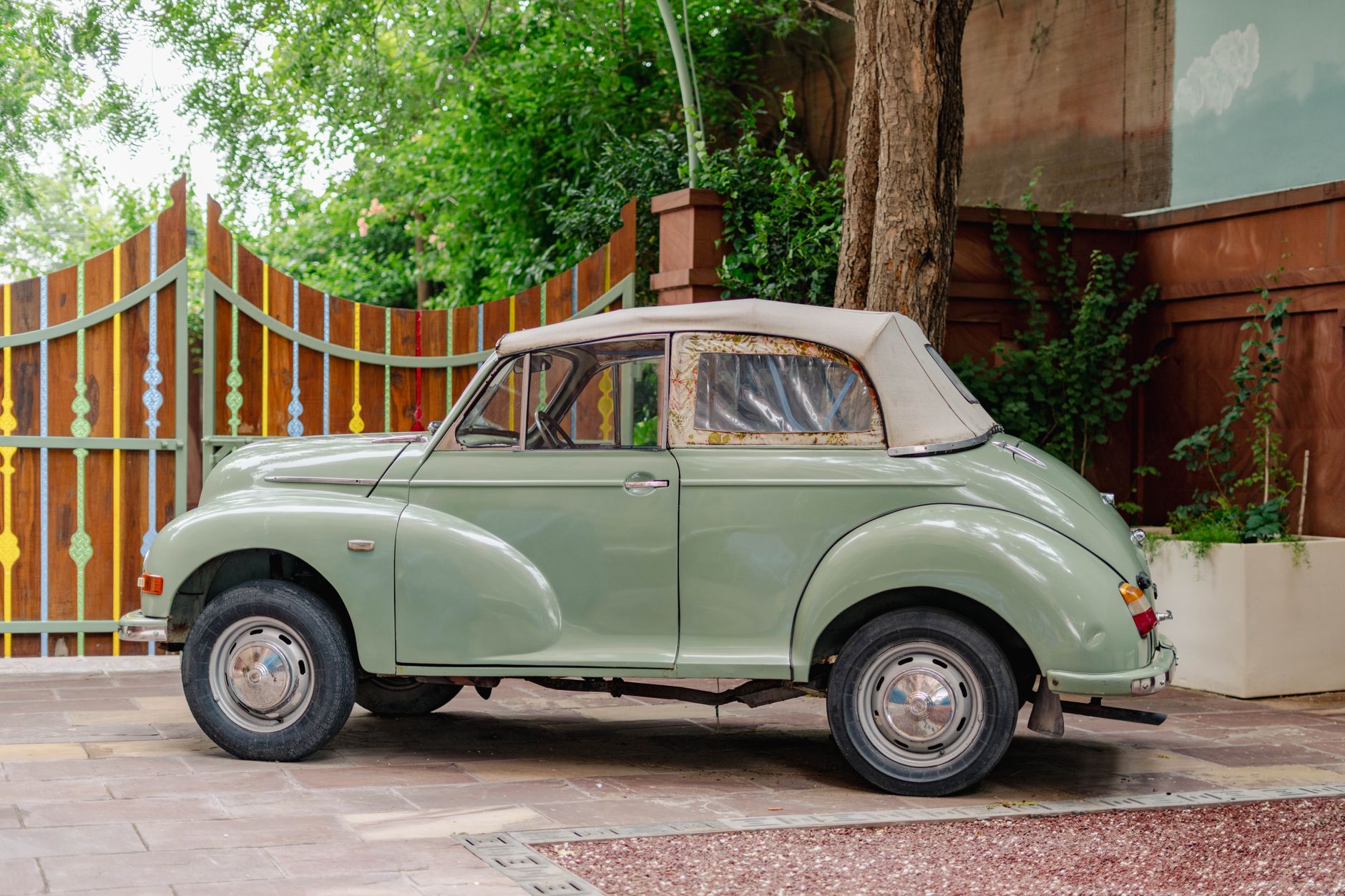
Transport becomes part of the experience rather than merely logistics. Private train carriages on heritage routes—the Fairy Queen to Alwar, or specially arranged departures on the Nilgiri Mountain Railway—transform travel days into experiences. Helicopter access to Varanasi from Khajuraho, or to Dharamshala from Amritsar, eliminates punishing road hours while providing geographical perspective impossible from ground level. For palace-to-palace touring in Rajasthan, vintage car collections turn transfers into occasions: arriving at Jaipur’s City Palace in a 1948 Rolls-Royce Silver Wraith that once carried the Maharaja himself.
The Curator’s Checklist: Eight Non-Negotiables for Your 2026 India Tour Architecture
After designing several hundred luxury India tours over two decades, we’ve identified the elements that separate memorable journeys from transformative ones. Your private India travel 2026 should include—at minimum—one UNESCO site experienced outside public hours with specialist accompaniment. This isn’t about avoiding crowds; it’s about encountering monuments in the silence and light they were designed for, with escorts who can explain restoration challenges, architectural mysteries, or devotional practices that shaped their creation.
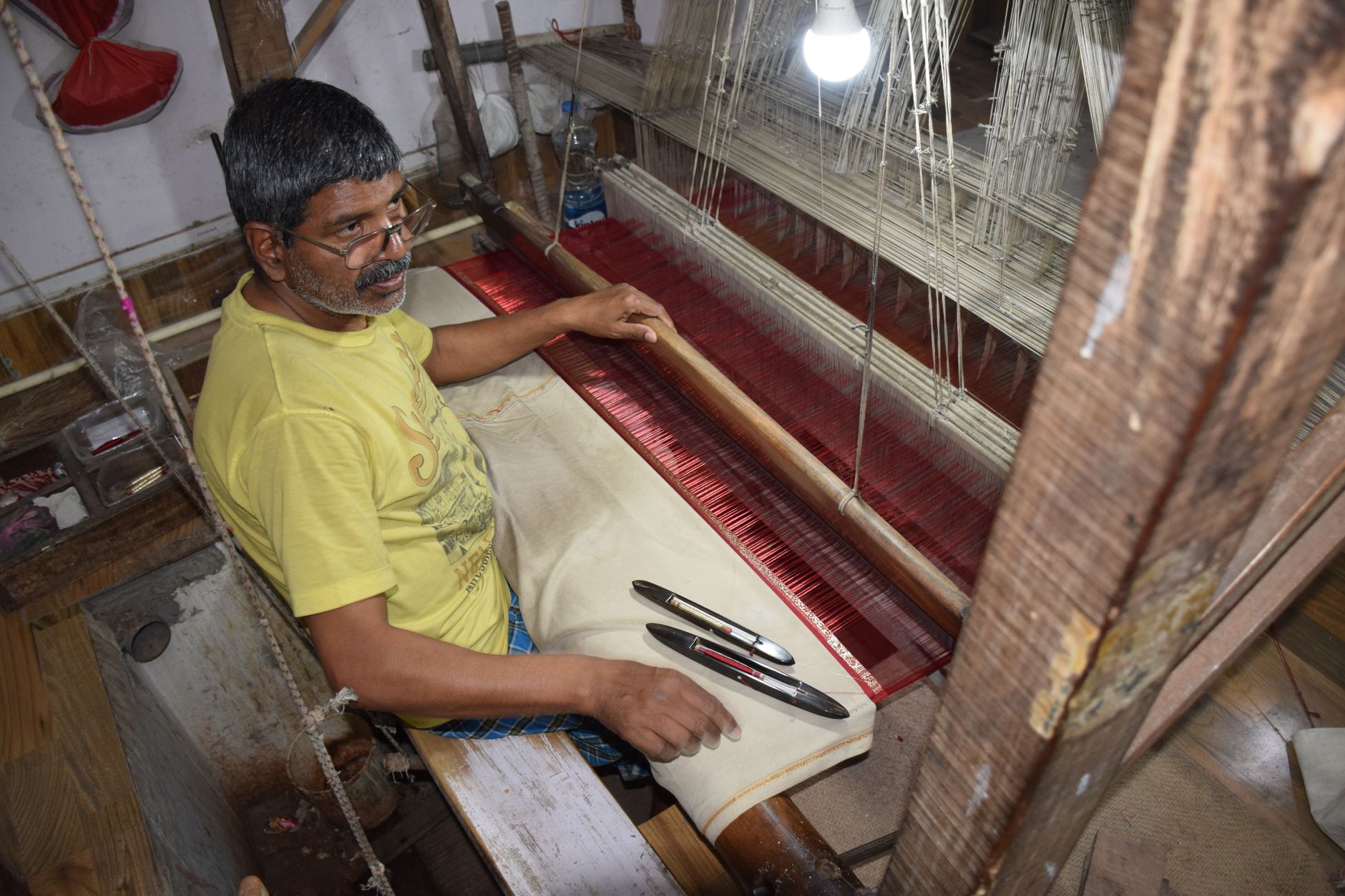
Insist on at least two genuine cultural exchanges: studio visits where you watch a miniature painter complete work commissioned by your patronage, meals in family homes that have never operated as restaurants, or craft workshops where you’re not observing demonstrations but learning techniques. The difference matters enormously. Watching someone weave is tourism; spending an afternoon understanding why certain dye combinations work in silk versus cotton, and commissioning a piece that incorporates your color preferences within traditional patterns, is cultural participation.
Strategic pacing separates sophisticated travellers from anxious monument collectors. No more than three properties in a fortnight, with minimum two-night stays at each location. This allows time for spontaneous discoveries—the village festival you weren’t planning to attend, the temple ritual you stumbled upon, the afternoon spent at a property simply reading in a courtyard that’s witnessed four centuries of Indian history. Rest days aren’t wasted days; they’re when India reveals itself without performance.
Your tour must include at least one ‘impossible access’ moment: the private museum wing at Mehrangarh Fort in Jodhpur, ordinarily closed but opened for our clients by the Maharaja’s curator; the predawn ceremony at Virupaksha Temple in Hampi, attended only by priests and devotees—and guests whose guide has maintained relationships with the temple trust for thirty years; the afternoon tea with a royal family in their residential palace quarters, where conversation moves beyond courtesy into genuine cultural exchange. These experiences cannot be purchased. They can only be gifted, and only to travelers who’ve been vouched for.
Ensure expert continuity: the same cultural specialist accompanying you across regions, not handoffs to local guides at each destination. This person becomes your cultural translator, someone who knows your curiosities well enough to recognize opportunities that weren’t in the original design, and who possesses the authority and relationships to adjust your tour architecture in real time. They’re not managing logistics—they’re curating experiences based on what’s resonating with you personally.
Build in flexibility infrastructure: the operational capacity to extend an experience that’s genuinely moving you, or pivot toward an unexpected cultural opportunity. Perhaps Udaipur’s miniature painting tradition captivates you more than anticipated, and you’d like an additional day commissioning work and understanding technique. Perhaps a chance conversation reveals that Bikaner’s Karni Mata Temple is celebrating an annual festival tomorrow, and you’re willing to adjust your Jaisalmer departure by a day to attend. These pivots require specialist coordination, relationships, and operational sophistication that independent travel cannot provide.
The final two non-negotiables—documentation privileges at restricted locations, and accommodations specifically selected for cultural resonance rather than luxury rankings—distinguish tours designed by curators from those assembled by booking agents. Your journey should be photographable at locations where standard tourists face restrictions, because you’re not there as a tourist. And your properties should teach you something: about Indian hospitality philosophy, about heritage conservation challenges, about how India’s aristocratic families are navigating modernity while preserving tradition.
Your 2026 India tour will cost between twenty and twenty-five thousand pounds because it’s being designed by people who’ve spent decades cultivating the relationships that transform monuments into meaning, and accommodation into immersion. We don’t sell India tours—we architect cultural expeditions for travellers sophisticated enough to understand the difference. If that describes your approach to travel, we should begin the conversation now, because the India you’re imagining for 2026 requires relationships we’re building today.