

While East Africa dominates the global safari conversation, India’s wildlife tapestry—spanning Himalayan snow leopards to Bengal tigers, Asiatic lions to one-horned rhinos—offers a biodiversity complexity no other nation can match. The India safari holidays we architect for our clients bear little resemblance to conventional wildlife tourism. These are multi-week expeditions connecting ten distinct ecosystems through private helicopter transfers, exclusive lodge buyouts, and naturalist expertise accumulated over generations. Where a Tanzania circuit might offer variations on savannah grassland, an India safari holiday moves you from tropical rainforest to alpine desert, from mangrove delta to thorn scrubland—each transition revealing wildlife assemblages found nowhere else on Earth.
The sophistication now possible transforms India from wildlife enthusiast destination to connoisseur imperative. Ultra-luxury eco-lodges have proliferated across tiger reserves and snow leopard territories alike. Helicopter logistics compress three-day road journeys into ninety-minute flights with aerial game viewing as bonus. Most critically, the integration of India’s cultural patrimony—Mughal hunting forests, maharaja shikar grounds, temple elephant corridors—creates safari experiences layered with civilizational depth no pure wilderness can provide. Your safari holiday becomes simultaneously wildlife odyssey and historical pilgrimage.
Why India Safari Holidays Transcend the Single-Destination Wildlife Experience
India’s geographic position at the confluence of Oriental, Palearctic, and Afrotropical biogeographic realms creates wildlife diversity unmatched by any comparably sized territory. Within one month-long journey, you track snow leopards at 4,500 metres in Ladakh’s frozen valleys, photograph tigers in Madhya Pradesh’s sal forests, observe Asiatic lions in Gujarat’s thorn scrub, and watch one-horned rhinos wade through Assam’s elephant grass—four landscapes, four apex predators, four utterly distinct ecological theatres. No African nation, no matter how wildlife-rich, offers this ecosystem heterogeneity within its borders.
The historical layering distinguishes India safari holidays from wilderness-only experiences. Ranthambore’s tigers prowl through tenth-century fort ruins. Gir’s lions rest beneath temples dedicated to the goddess who once rode them. Kaziranga’s rhinos graze lands described in Ahom kingdom chronicles from the 1400s. Your game drives become dialogues between natural and human history, each wildlife sighting contextualised by centuries of coexistence, conflict, reverence, and recent conservation triumph. The Bengal tiger survived near-extinction not in pristine wilderness but in forests adjacent to billion-person civilization—a conservation story more complex and ultimately more inspiring than Africa’s relatively recent human-wildlife separation.
April through June’s extreme heat—when temperatures reach 45°C—actually provides the highest tiger visibility rates as water scarcity concentrates wildlife at remaining sources. Serious photographers and naturalists deliberately choose this period despite discomfort.
The logistical sophistication now rivals—and in certain aspects surpasses—African safari infrastructure. Private helicopter charters eliminate the multi-day road transfers that once plagued India wildlife circuits. Ultra-luxury lodges like The Serai properties and Taj Safaris have established standards matching Singita and Londolozi. Crucially, India’s permit and exclusivity systems allow experiences impossible in Africa’s open-access parks: entire lodges booked for single parties, pre-dawn reserve entry before general tourist gates open, private naturalists accompanying you across multiple parks rather than changing with each reserve. The result transforms safari holidays from rustic adventure to seamless expedition.
Architecting Your Bespoke India Safari Holiday: The Five Essential Ecosystem Pillars
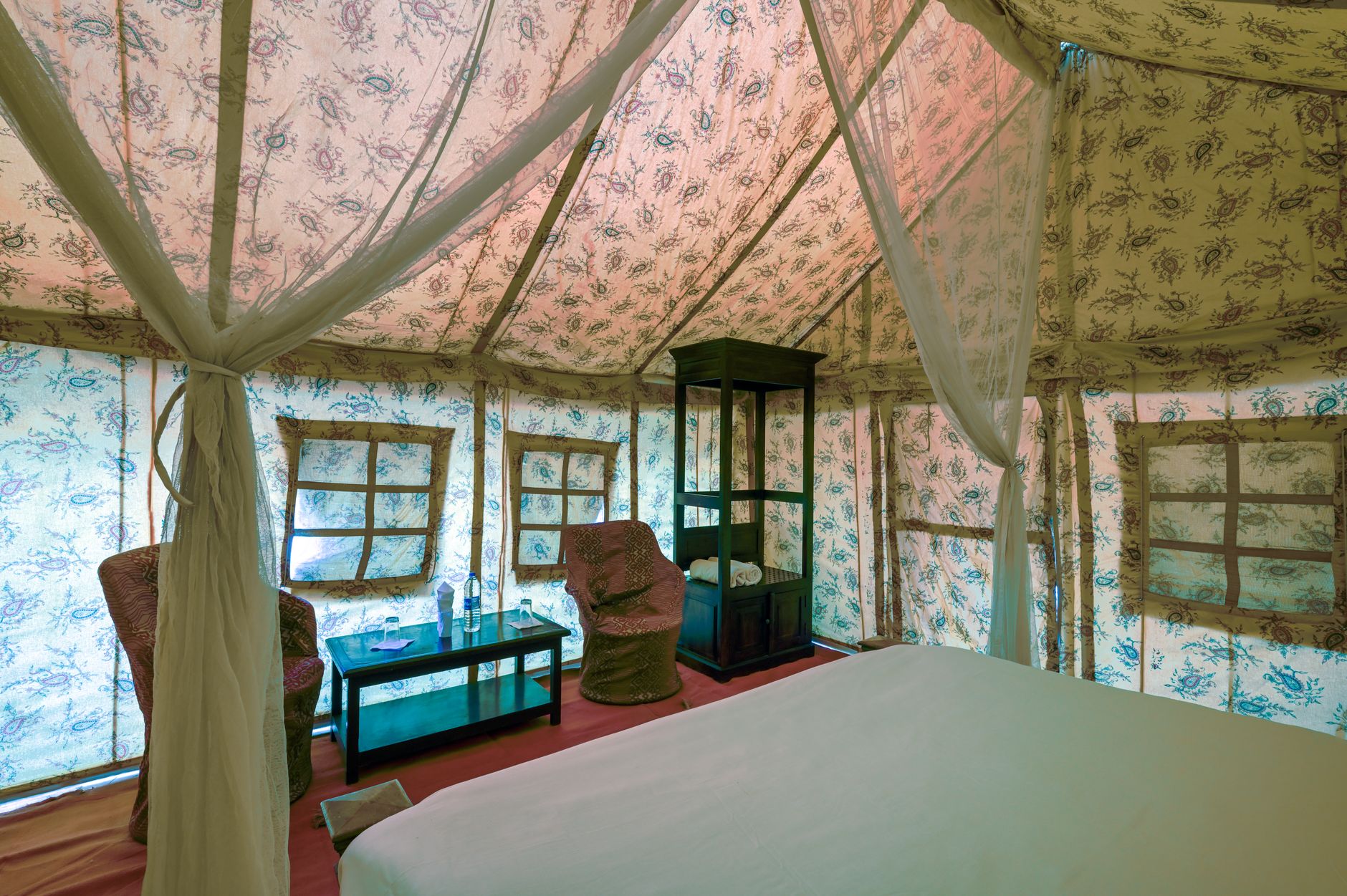
The Central Indian Tiger Circuit—anchored by Bandhavgarh, Kanha, and Pench—remains the foundation for any serious India safari holiday. These Madhya Pradesh reserves protect the highest tiger densities globally, with Bandhavgarh offering sighting probabilities approaching 90% across four-day visits. The landscape is classic tropical dry forest: towering sal trees, bamboo thickets, open meadows where spotted deer graze in hundred-strong herds. The luxury tented camps here—canvas suites with rainfall showers, private decks overlooking waterholes, naturalist-guided bush dinners—create the archetypal safari atmosphere while delivering infrastructure comfort matching any global standard.
The Himalayan Snow Leopard Experience represents India safari holidays at their most extreme and exclusive. Accessible only December through February, expeditions to Ladakh’s Hemis National Park or Spiti Valley require acclimatization days, specialist high-altitude guides, and acceptance that sightings—while increasingly reliable through expert trackers—demand patience and luck. You trek through landscapes of impossible beauty: frozen rivers, prayer-flag monasteries, mountains where snow leopards hunt bharal sheep against backdrops of peaks exceeding 6,000 metres. The experience integrates Tibetan Buddhist culture—monastery stays, lama blessings, thangka painting workshops—creating wildlife holidays that engage spirit as much as species list.
Gujarat’s Gir Forest protects the planet’s last wild Asiatic lions, making any India safari holiday incomplete without this pilgrimage. The experience differs markedly from African lion safaris: Gir’s lions inhabit mixed thorn forest rather than open savannah, creating encounters that feel more intimate, almost forest-stalking rather than plain-scanning. The exclusively managed access ensures uncrowded sightings. Pairing Gir with Gujarat’s cultural treasures—Patan’s double-ikat weavers, Modhera’s sun temple, Ahmedabad’s textile museums—demonstrates India safari holidays’ unique capacity to weave wildlife and craft heritage into single journeys.
Assam’s Kaziranga National Park offers the world’s greatest one-horned rhino spectacle. Game viewing here employs elephant-back safaris through chest-high grasslands—the only method to navigate terrain too dense for vehicles. Dawn patrols reveal landscapes of primordial grandeur: rhinos emerging from mist, wild water buffalo herds, swamp deer stags with antlers spanning four feet. The ecosystem extends beyond the park: Brahmaputra river cruises spot Gangetic dolphins, tea estate visits reveal Assam’s colonial plantation history, Majuli Island presents Vaishnavite monastery culture. This integration exemplifies India safari holidays’ refusal to separate wildlife from broader landscape narrative.
The integration of India’s cultural patrimony—Mughal hunting forests, maharaja shikar grounds, temple elephant corridors—creates safari experiences layered with civilizational depth no pure wilderness can provide.
Southern India’s rainforest elephant corridors—particularly Kerala’s Periyar and Karnataka’s Kabini—complete the ecosystem spectrum. Here safari methodology shifts to boat-based game viewing across reservoir waters, watching elephant herds come to drink at dusk, gaur (Indian bison) grazing shorelines, occasionally the flash of leopard gold in riverside trees. The Western Ghats endemism creates birding opportunities found nowhere else: Malabar trogons, Ceylon frogmouths, endemic hornbill species. Integration with spice plantation walks, Ayurvedic spa treatments, and backwater cruises creates safari holidays that culminate in restoration rather than mere conclusion.
The Luxury Infrastructure: How Ultra-High-Net-Worth Travellers Experience India Safari Holidays
Private helicopter logistics have revolutionized India safari holidays over the past decade. What once required eight-hour road transfers between Bandhavgarh and Kanha now becomes a ninety-minute flight, eliminating fatigue while providing aerial perspectives on forest continuity and village-wildlife interfaces. Helicopter access opens previously impractical combinations: morning game drive in Ranthambore, afternoon arrival in Gir 1,200 kilometres distant. For multi-week expeditions connecting Himalayas to Kerala, helicopters transform logistical nightmares into seamless progressions, your ground time devoted entirely to wildlife encounters rather than highway endurance.

Exclusive-use lodge bookings—increasingly standard for our clients—fundamentally alter the safari holiday experience. When you secure an entire tented camp of six to eight suites, the property becomes your private base: meal times adjust to your preferred game drive schedule, naturalists focus solely on your party’s interests (whether macro-photography or specific species quests), vehicle usage unconstrained by other guests’ needs. More critically, private bookings secure preferential park access—pre-dawn entry permissions before general tourist gates open, extended afternoon drives after closing hours, access to zones rotated for tourist pressure relief. These privileges, impossible to arrange as individual bookings, justify the premium pricing through wildlife encounter quality rather than mere exclusivity performance.
The seamless integration with cultural anchors distinguishes India safari holidays from wildlife-only expeditions. We architect itineraries where Ranthambore tiger tracking extends into Jaipur’s City Palace private tours and Amber Fort elephant interactions. Pench safaris connect to Nagpur’s zero-distance Deekshabhoomi monument and surrounding Buddhist cave temples. Kaziranga rhino expeditions incorporate Assamese silk village homestays and bihu dance performances. This interweaving isn’t touristic padding but recognition that India’s wildlife exists within civilizational context—the tiger is simultaneously ecological keystone and cultural symbol, the elephant both endangered species and religious vehicle, the peacock national bird and Mughal miniature subject.
Specialized naturalist expertise elevates India safari holidays beyond generic game viewing. Our expeditions include ornithologists when itineraries emphasize endemic bird species (critical for Western Ghats and Eastern Himalayas), carnivore behaviour specialists for clients focused on predator ecology, botanists for those interested in medicinal plant traditions and forest ethnobotany, conservation photographers providing technical guidance for serious wildlife photography. These experts remain with you across multiple parks rather than changing with each reserve, building rapport and tailoring each day’s focus to your evolving interests as the journey progresses.
Beyond the Big Five: India’s Rare Wildlife Experiences That Define Connoisseur Safari Holidays
Arunachal Pradesh’s clouded leopard quest represents India safari holidays at their most specialized. This medium-sized cat—arguably Asia’s most beautiful felid with its psychedelic coat patterns—inhabits the unexplored eastern Himalayan forests accessible only through special permits requiring government approvals months in advance. The wildlife holiday here combines remote tribal homestays, orchid valley treks, and patient forest vigils with camera traps and local trackers whose traditional knowledge provides the only reliable method to locate these phantoms. Sightings remain rare enough that glimpsing one validates entire expeditions.
The Great Indian Bustard emergency conservation safari in Rajasthan addresses one of India’s most critically endangered species—fewer than 150 individuals survive globally, making this bird rarer than the tiger was at its population nadir. Desert National Park safaris focus on these magnificent creatures while exploring the Thar Desert’s unique ecosystem: Indian foxes, desert cats, chinkara gazelles moving through landscapes of surreal beauty. Exclusive access to breeding centre facilities demonstrates conservation intervention at crisis scale. The experience proves particularly meaningful for clients seeking wildlife holidays with tangible conservation impact.
Chambal River safaris for Gangetic dolphins and gharial crocodiles create India safari holidays unlike any other format. Boat-based expeditions along this cleaner tributary of the Ganges reveal India’s rarest freshwater cetaceans alongside gharials—fish-eating crocodiles with elongated snouts—basking on sandbanks. The landscape holds its own drama: ravine badlands sculpted into cathedral formations, occasional mugger crocodiles, waterbird concentrations, village fishing communities maintaining traditional river relationships. Integration with nearby Mughal architectural trails—Agra, Fatehpur Sikri, Orchha—positions wildlife within historical continuity rather than isolation.
Gujarat’s Little Rann of Kutch—a seasonal salt desert ecosystem—offers surreal wildlife holidays where wild ass herds gallop across white plains stretching to every horizon. The landscape transforms seasonally: summer’s cracked earth becomes winter’s shallow wetland attracting flamingo flocks numbering hundreds of thousands. The integration with craft village circuits—Bhuj’s block printers, Kutch’s mirror-work embroiderers, traditional salt harvesting communities—demonstrates India safari holidays’ capacity to position wildlife within living cultural landscapes rather than museum-piece nature.
Crafting Your Bespoke India Safari Holiday with Royal India Holidays
Our approach begins not with standard itineraries but conversations exploring your wildlife aspirations—whether comprehensive species checklists, photographic portfolios of specific behaviours, or immersion in particular ecosystems regardless of charismatic megafauna presence. We then architect multi-park itineraries optimized for seasonal wildlife activity patterns, securing impossible-to-obtain permits for snow leopard expeditions and exclusive lodge buyouts, arranging private reserve access and pre-dawn entry slots at competitive parks. Every element receives attention: helicopter logistics between distant reserves, dedicated naturalists accompanying your entire journey rather than changing with each park, conservation site visits revealing on-ground protection work, cultural integration modules ensuring wildlife viewing exists within broader landscape understanding.
The India safari holidays we create position this nation not as African alternative but as the world’s most biodiverse single-nation wildlife expedition—a journey through ten ecosystems, four mountain ranges, three climate zones, and five thousand years of documented human-wildlife coexistence. Whether your interest focuses on Bengal tigers in monsoon forests, snow leopards in Himalayan winter, or one-horned rhinos in Assamese grasslands, we design expeditions reflecting India’s extraordinary position as conservation laboratory for wildlife survival within dense human civilization.
Begin a conversation with our wildlife specialists about architecting your India safari holiday—an expedition that will redefine what wildlife tourism can achieve when biodiversity complexity meets cultural depth and luxury infrastructure.