

Booking India holidays for 2027 isn’t premature—it’s the strategic advantage that separates travellers who merely visit from those who secure preferential access, newly opened luxury properties, and seasonal windows that transform exceptional into extraordinary. The most discerning travellers understand that India’s ultra-luxury landscape operates on a completely different timeline than conventional tourism. While others browse brochures eighteen months hence, you’ll already hold confirmed reservations at properties that haven’t yet announced public bookings, private access to cultural ceremonies with limited annual permissions, and preferential suite selections that vanish the moment they appear.
This isn’t about rushing a decision. It’s about recognizing that bespoke India travel 2027 at the highest level requires the same advance orchestration as a major art acquisition or architectural commission. The India you’ll experience depends entirely on the strategic intelligence behind your planning.
Why Discerning Travellers Are Booking India Holidays 2027 Now
The ultra-luxury travel calendar operates entirely differently from leisure booking patterns. While commercial tourism thinks in weeks, exceptional India experiences require thinking in years. Consider this: the Aman expansion in Varanasi, opening in phases throughout 2027, began accepting provisional bookings in late 2024 for clients with existing relationships. The Taj Group’s heritage restoration of three palace properties—projects spanning five years and involving period-specific artisanry from master craftsmen—will complete in 2027 with preview access extended only to those who engaged specialists early.
Ultra-luxury India properties typically allocate 60-70% of premiere suite inventory through specialist operators and returning guests twelve to eighteen months ahead of public release.
Beyond accommodations, the most meaningful experiences in India require diplomatic channels and cultural relationships built over decades. Private Holi celebrations within Rajasthan’s royal families, for instance, aren’t marketed—they’re extended as invitations through trusted intermediaries to a limited number of guests annually. Permissions for private dawn ceremonies at certain temples in Varanasi and Madurai require applications submitted through specific cultural channels, often a year in advance. These aren’t obstacles; they’re the mechanisms that preserve authenticity and exclusivity.
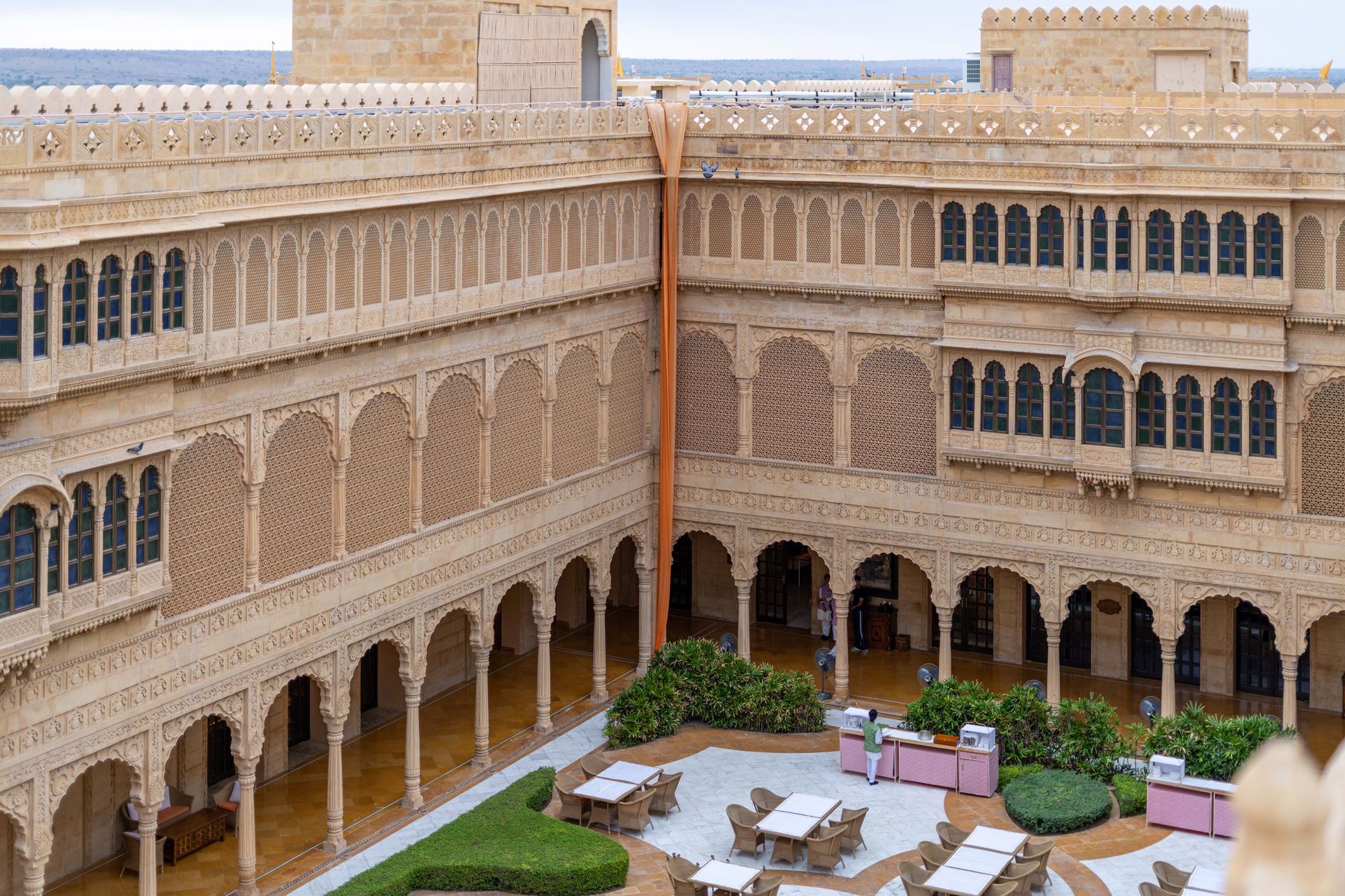
There’s also the practical matter of India’s finest accommodations. The Umaid Bhawan Palace in Jodhpur maintains just twenty-two rooms and suites for guests—the remainder serves as the royal family’s residence. The Lake Palace in Udaipur offers sixty-six rooms total, with perhaps a dozen meeting the standards expected by ultra-luxury travellers. When you’re planning luxury India 2027 itineraries around specific seasonal windows, preferred room categories at these properties secure twelve to sixteen months ahead. Wait until 2026, and you’re negotiating from a position of compromise rather than choice.
Then there are the logistical advantages unique to advance planning. Crafting a bespoke India itinerary 2027 that moves between Ladakh’s high-altitude monasteries, Rajasthan’s desert palaces, and Kerala’s backwater tributaries requires coordinating everything from helicopter permits to private train carriages. These arrangements—particularly rare multi-property charter opportunities that allow you to land at a heritage fort’s private helipad—become exponentially more complex and expensive as departure dates approach.
2027’s Most Anticipated Luxury Property Openings Across India
The India luxury hospitality landscape is experiencing its most significant transformation in two decades, with heritage restorations, wilderness debuts, and boutique coastal properties all scheduled for 2027 openings. Understanding these launches—and securing preview access—separates early adopters from those who’ll wait for TripAdvisor reviews.
Rajasthan leads with three extraordinary palace hotel projects. The Samode properties are expanding beyond their famous palace and garden retreat with a third location: a meticulously restored fort in the Aravalli hills, scheduled to welcome its first guests in March 2027. More intriguing are the lesser-known conversions happening in Shekhawati—the region northeast of Jaipur famous for its painted havelis. Two merchant-family fortresses, their restoration supervised by conservation architects who worked on Mehrangarh Fort, will offer just eight to twelve suites each, complete with private galleries showcasing the families’ textile and miniature collections. These properties will never advertise publicly; access routes entirely through specialist operators.
The India you’ll experience in 2027 depends entirely on the strategic intelligence behind your planning.
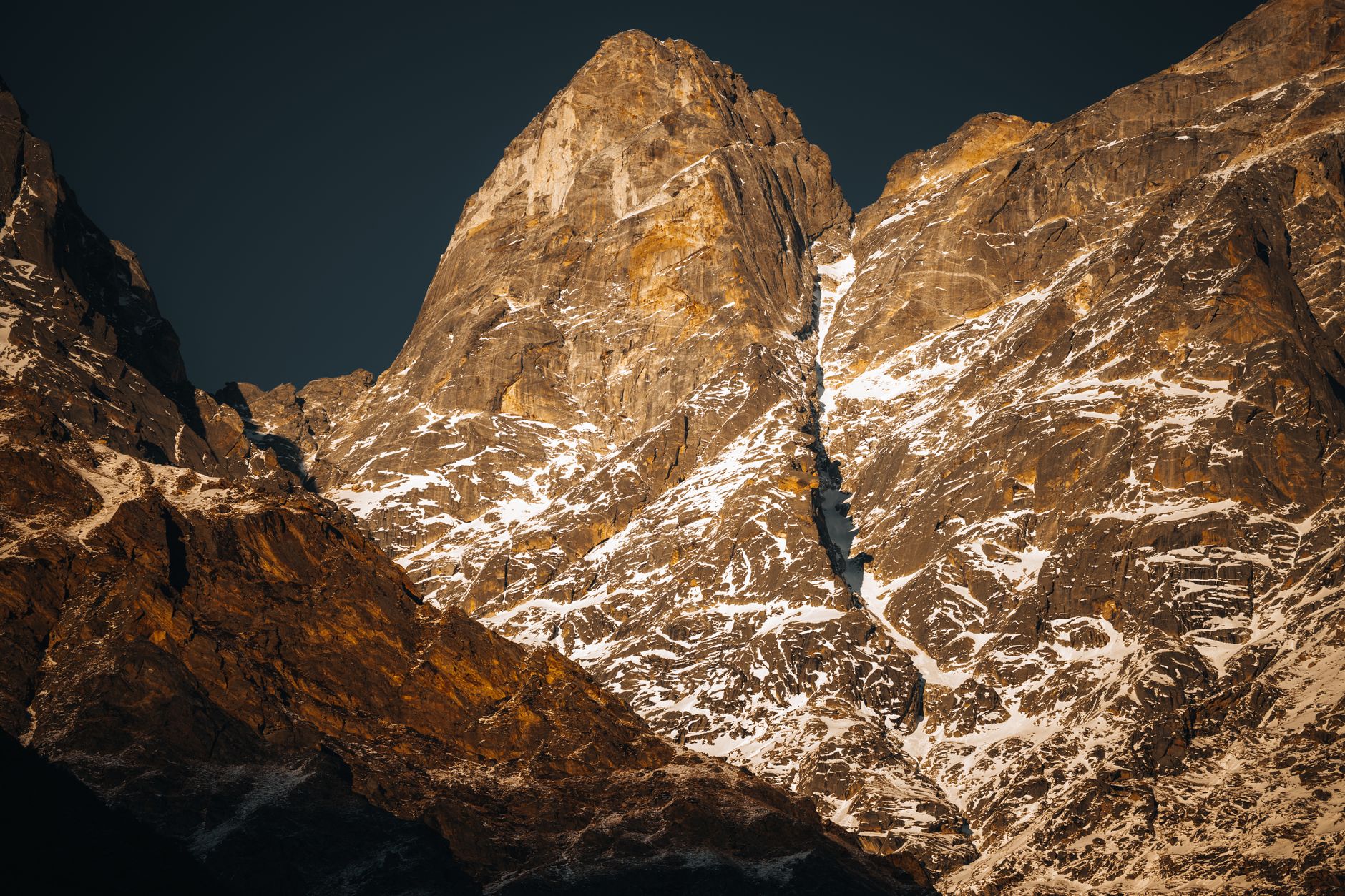
The Himalayas present perhaps the most exciting developments. Spiti Valley and Zanskar—remote Buddhist kingdoms accessible only four months annually—are receiving their first genuinely luxurious infrastructure. These aren’t rustic homestays upgraded with Egyptian cotton; they’re architect-designed lodges with radiant heating, Himalayan-view soaking tubs, and cuisine that rivals Delhi’s finest restaurants, all constructed using traditional Tibetan building techniques and positioned for access to monasteries that see perhaps two hundred outsiders yearly. The cultural immersion possibilities are unprecedented.
Coastal Karnataka and Goa are shedding their package-tourism associations with a new generation of barefoot luxury. Three boutique properties opening on protected coastlines south of Gokarna have secured private beach concessions—a rarity in India—offering the kind of exclusive shoreline access previously available only in the Maldives or Seychelles. These are intimate: fourteen villas maximum, designed by architects who’ve worked with Aman and Six Senses, focused on ayurvedic wellness and fresh seafood cuisine with zero commercial tourism visible.
Perhaps most significant are Northeast India’s first true five-star wilderness experiences. Arunachal Pradesh and Meghalaya—regions more remote than Bhutan, culturally distinct, requiring special permits—are opening luxury tented camps that finally bring sophisticated infrastructure to these cloud-forest kingdoms and tribal highlands. For travellers who’ve exhausted Ranthambore and Bandhavgarh, these represent genuinely new frontiers with landscapes and cultures that feel nothing like the India of palace hotels and tiger safaris.
Strategic Seasonal Windows: When to Experience India in 2027
Conventional travel advice treats Indian seasons as binary: winter good, summer bad, monsoon impossible. Ultra-luxury India holidays operate on far more nuanced intelligence, recognizing that specific weeks deliver experiences simply unavailable at other times, regardless of temperature or precipitation.
January through February 2027 offers what insiders call “post-peak perfection” in Rajasthan. The Christmas and New Year crowds have departed, yet temperatures remain sublime—warm days, crisp nights ideal for rooftop dining. More crucially, this window delivers optimal tiger sighting opportunities. Ranthambore and Bandhavgarh’s big cats, having established their dry-season territorial patterns, concentrate around remaining water sources. Your chances of significant encounters—not glimpses, but extended viewings—increase dramatically. The landscape has dried to golden grasses, providing superior sightlines compared to lush monsoon growth.
March 2027 deserves particular attention. Holi falls on March 14th, and exclusive private celebrations with royal families—the kind involving natural colour powders, traditional sweets prepared from historical recipes, and musicians who’ve performed for the family for generations—require invitations secured the previous year. Kashmir’s tulip gardens bloom mid-March, and the valley sits in that perfect window before summer tourism begins: impossibly green, snow still visible on high peaks, houseboats available without advance booking pressure. South India’s temple cities hit their temperature sweet spot, making extended exploration of Madurai, Thanjavur, and Hampi genuinely comfortable.
September through October presents opportunities completely invisible to standard tourism. The monsoon’s conclusion reveals landscapes at their most verdant—Kerala’s backwaters overflow with lilies, the Western Ghats cascade with temporary waterfalls, Rajasthan’s seasonal lakes shimmer with migratory birds. Luxury properties reduce rates by twenty to thirty percent during shoulder season, yet deliver identical service and superior exclusivity. Ladakh remains accessible through late September, offering autumn light that photographers prize and fewer trekkers on monastery circuits.
November and December 2027 deliver festival season at its most spectacular. Diwali 2027 falls on October 20th, with celebrations extending through early November. Private Diwali experiences at palace properties—where the entire haveli illuminates with traditional oil lamps and you’re the only guests beyond the family—create the kind of cultural memories that justify the journey alone. The Golden Triangle enjoys perfect weather: clear skies, comfortable temperatures, and visibility that makes the Taj Mahal’s marble glow at sunrise. Year-end celebrations at properties like Rambagh Palace involve gala dinners, traditional performances, and New Year’s Eve gatherings that feel genuinely exclusive rather than commercially orchestrated.
Emerging Destinations for India Holidays 2027: Beyond the Established Circuit
The established luxury India circuit—Rajasthan’s palace hotels, Kerala’s backwaters, the Golden Triangle’s monuments—remains magnificent. But 2027 presents opportunities to experience regions only now developing the infrastructure and access protocols that meet ultra-luxury standards without sacrificing authenticity.
Chettinad, the aristocratic heartland of southern Tamil Nadu, exemplifies this evolution. The region’s merchant princes built mansions of extraordinary scale during the 19th century—structures with Belgian glass chandeliers, Burmese teak pillars, Italian marble floors, and inner courtyards large enough to host entire wedding processions. Several families are now opening these as intimate guesthouses, but with crucial differences from conventional heritage hotels: you’re actually staying with the family, participating in their culinary traditions through private cooking academies, accessing textile ateliers where handloom weavers produce the cotton saris that take three months to complete. This is immersion at a level impossible in commercial properties.
Telangana’s Nizami heritage, centred on Hyderabad, offers a completely different aristocratic lineage. The Nizam of Hyderabad was reputedly the world’s wealthiest man in his era, and that legacy manifests in palaces, private museums, and culinary traditions distinct from any other Indian region. Several smaller palaces around Golconda Fort have begun accepting guests through specialist arrangement—not hotels, but private residences opened for cultural exchange. The city’s pearl and diamond ateliers, its Irani cafes serving Osmania biscuits unchanged since the 1940s, its biryani culture that rivals any global culinary tradition—all of this remains wonderfully free of international tourism.
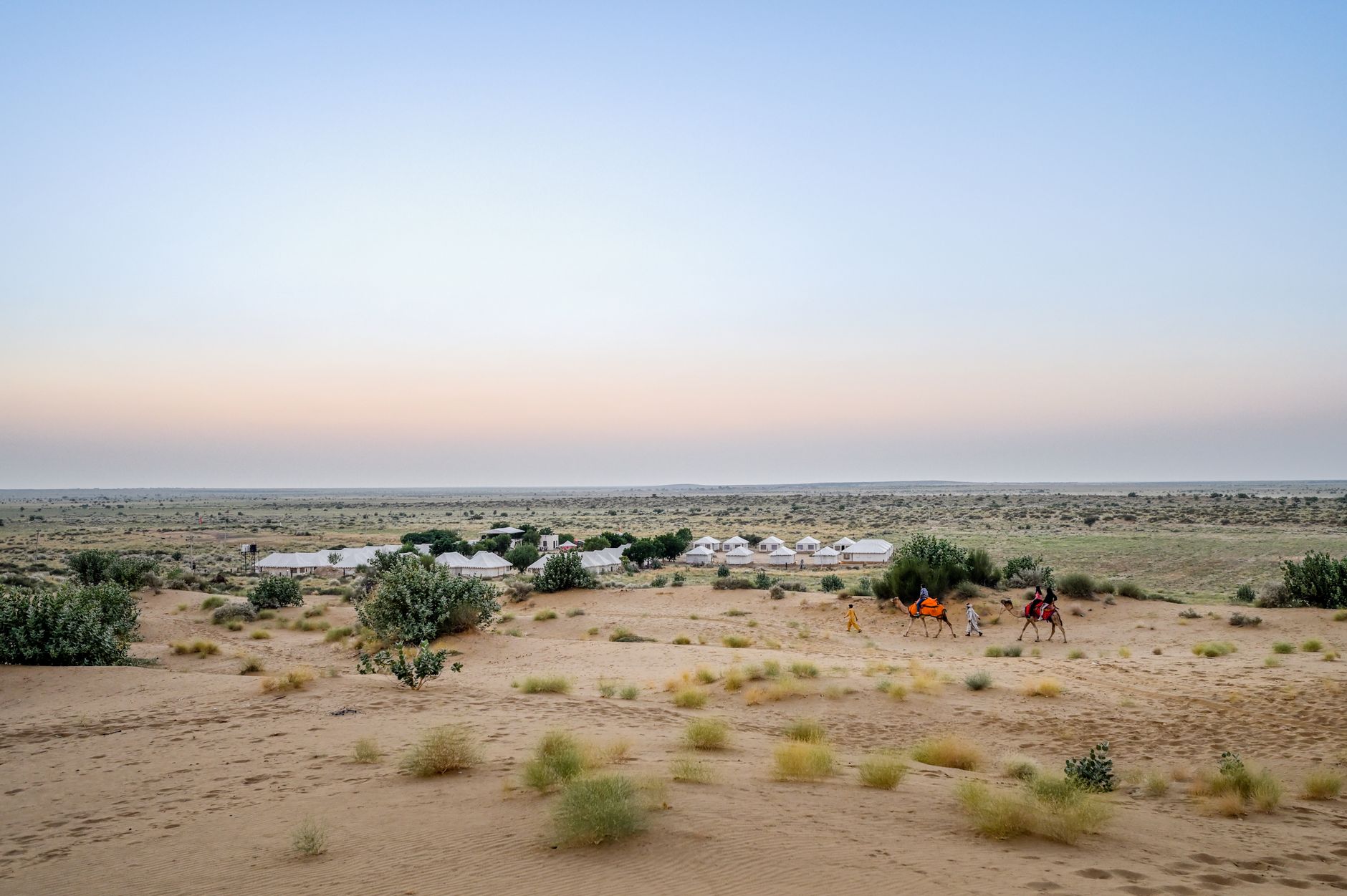
Kutch’s white desert and craft villages in Gujarat present another compelling addition. The Rann Utsav, traditionally a mid-market festival, is evolving with luxury tented camps positioned at distance from the main fair. The real draw isn’t the festival itself but privileged access to craft villages—Bhuj’s bandhani tie-dye masters, Ajrakhpur’s block printers, communities of embroiderers whose work appears in major museum collections. These aren’t shopping excursions but artisan residencies where you learn centuries-old techniques from National Award recipients.
Coorg’s coffee estates in Karnataka offer yet another model: working plantation bungalows operated as intimate luxury properties. You’re staying on estates producing exceptional single-origin coffee, with morning walks through cardamom groves, private tastings of experimental processing methods, and cuisine drawing from Kodava traditions largely unknown beyond this region. It’s agri-luxury in the truest sense—authentic farming operations that happen to host guests rather than hotels masquerading as farms.
What unites these emerging destinations is their freedom from tourism saturation. You’re not competing for restaurant reservations or negotiating crowds at monuments. The luxury derives not from marble lobbies but from authentic cultural access, exceptional local cuisine, and landscapes unspoiled by commercial development. For travellers who’ve completed the classic circuit, these regions offer genuinely new India experiences.
Crafting Your Bespoke India Holiday 2027: The Royal India Approach
Every extraordinary India journey begins with a fundamental question: what do you want to feel? Not see—anyone can arrange monument visits—but feel. Because the difference between a good India holiday and a transformative one lies entirely in understanding what creates meaning for you specifically, then building every element around that insight.
Multi-generational family journeys require balancing vastly different needs without compromise. Your grandchildren want tiger safaris and cooking classes; their parents seek cultural depth and wellness; you desire supreme comfort and unhurried appreciation of art and architecture. The solution isn’t trying to satisfy everyone simultaneously—it’s crafting a rhythm that dedicates specific days to specific interests while maintaining an underlying thread of shared wonder. Perhaps that’s three days in Ranthambore where morning safaris satisfy the teenagers while afternoons offer spa treatments for parents and private museum access for grandparents, followed by Kerala’s backwaters where everyone shares the languid beauty of houseboat life.
Milestone celebrations—60th birthdays, 40th anniversaries, family reunions marking major transitions—require theatrical elements that feel personal rather than staged. This means working with properties capable of genuine customization: private classical dance performances in palace courtyards, surprise sunset champagne receptions at desert forts, birthday dinners prepared by chefs using family recipes you’ve shared in advance. It’s the difference between generic luxury and something so precisely calibrated to your story that it feels unrepeatable because it is.
Special interest deep-dives represent our most satisfying work: photography-focused itineraries timed for optimal light and positioned for rare access, textile and craft collector journeys built around private atelier visits and acquisition opportunities, architectural pilgrimages exploring everything from Fatehpur Sikri’s Mughal grandeur to Le Corbusier’s Chandigarh. These journeys abandon the standard circuit entirely, moving at the pace required for genuine expertise development rather than superficial tourism.
The advantage of beginning India itinerary 2027 planning now extends beyond securing preferred properties and experiences. Early commitment typically delivers preferential rate structures—ultra-luxury operators extend their best terms to confirmed bookings twelve-plus months ahead—and creates time for the kind of detailed refinement that transforms good itineraries into perfect ones. We’re not rushing you toward a deposit; we’re suggesting that the India you imagine deserves the strategic planning that makes it real.
If you’re considering India holidays in 2027—whether returning after years away or finally making the journey you’ve long contemplated—we’d welcome a conversation. Not a sales presentation, but a genuine exploration of what India could mean for you specifically, and how advance planning creates possibilities simply unavailable to later booking. Reach our bespoke planning team, and let’s begin mapping something extraordinary.