


The difference between dining at India’s finest restaurants and cooking beside a seventh-generation halwai in his pre-dawn kitchen is the difference between appreciating art and understanding the artist’s soul. True India food tours — the kind that transform your relationship with flavour, technique, and cultural memory — don’t happen in dining rooms. They unfold in private kitchens where recipes live in callused hands rather than written pages, where ingredient sourcing follows relationships built across decades, and where the rhythm of cooking mirrors the seasons, festivals, and family histories of communities whose culinary knowledge predates the Mughals.
The travellers we work with at Royal India Holidays have dined at Noma, learned pasta-making in Emilia-Romagna, and understand terroir in Burgundian terms. They’re seeking something beyond observation — a genuine apprenticeship model where India’s most accomplished cooking families, palace kitchen masters, and ingredient artisans welcome them not as tourists, but as serious students worthy of knowledge rarely shared beyond bloodlines.
Beyond the Restaurant Circuit: Why Authentic India Food Tours Require Kitchen-Level Access
The standard food tour model — market walks culminating in restaurant meals, cooking demonstrations where you watch rather than practice, scheduled tastings that privilege breadth over depth — serves a purpose, but it cannot deliver what sophisticated travellers increasingly seek: participatory culinary immersion that respects both their existing knowledge and their capacity for serious learning. The problem isn’t the restaurants themselves, many of which serve extraordinary food. The limitation lies in the relationship structure. You remain, fundamentally, a customer rather than a collaborator.
What changes everything is access to private kitchens through relationships cultivated over years, sometimes decades. Royal India Holidays doesn’t call a chef the week before your arrival and request a “cooking class.” We maintain ongoing connections with cooking families who trust us because we’ve demonstrated consistent respect for their craft, brought them students genuinely interested in learning rather than photographing, and understand that meaningful knowledge transfer requires time, patience, and mutual regard. These aren’t transactional arrangements. They’re culinary friendships that allow for spontaneity, depth, and the kind of teaching that emerges only when trust exists.
The palace khansama who now teaches our guests learned his craft across forty years in royal service. He refused all commercial cooking work until we spent two years building trust through a mutual friend. That relationship now allows four-day intensive sessions in techniques no restaurant kitchen employs.
This relationship economy extends beyond individual cooks to entire supply chains. The spice merchant who opens his blending room at dawn, the dairy farmer who explains why buffalo milk from his specific herd creates superior paneer, the grain miller preserving heritage rice varieties — these connections transform procurement into education and every ingredient into a story with geological, seasonal, and human dimensions.
The Private Kitchen Immersion Framework: Five Culinary Relationship Models That Define Luxury India Food Tours
The architecture of meaningful culinary immersion in India follows five distinct relationship models, each providing access to knowledge unavailable through conventional channels. Royal household kitchens represent the apex of private cooking experiences India can offer. These aren’t commercial operations or museum recreations — they’re functioning palace kitchens where families who once served maharajas maintain cooking traditions that never entered the public culinary vocabulary. You’re learning recipes that exist nowhere in print, techniques refined across centuries of aristocratic patronage, and approaches to ingredient sourcing that reflect historical trade routes and regional terroir understood at an extraordinarily granular level.
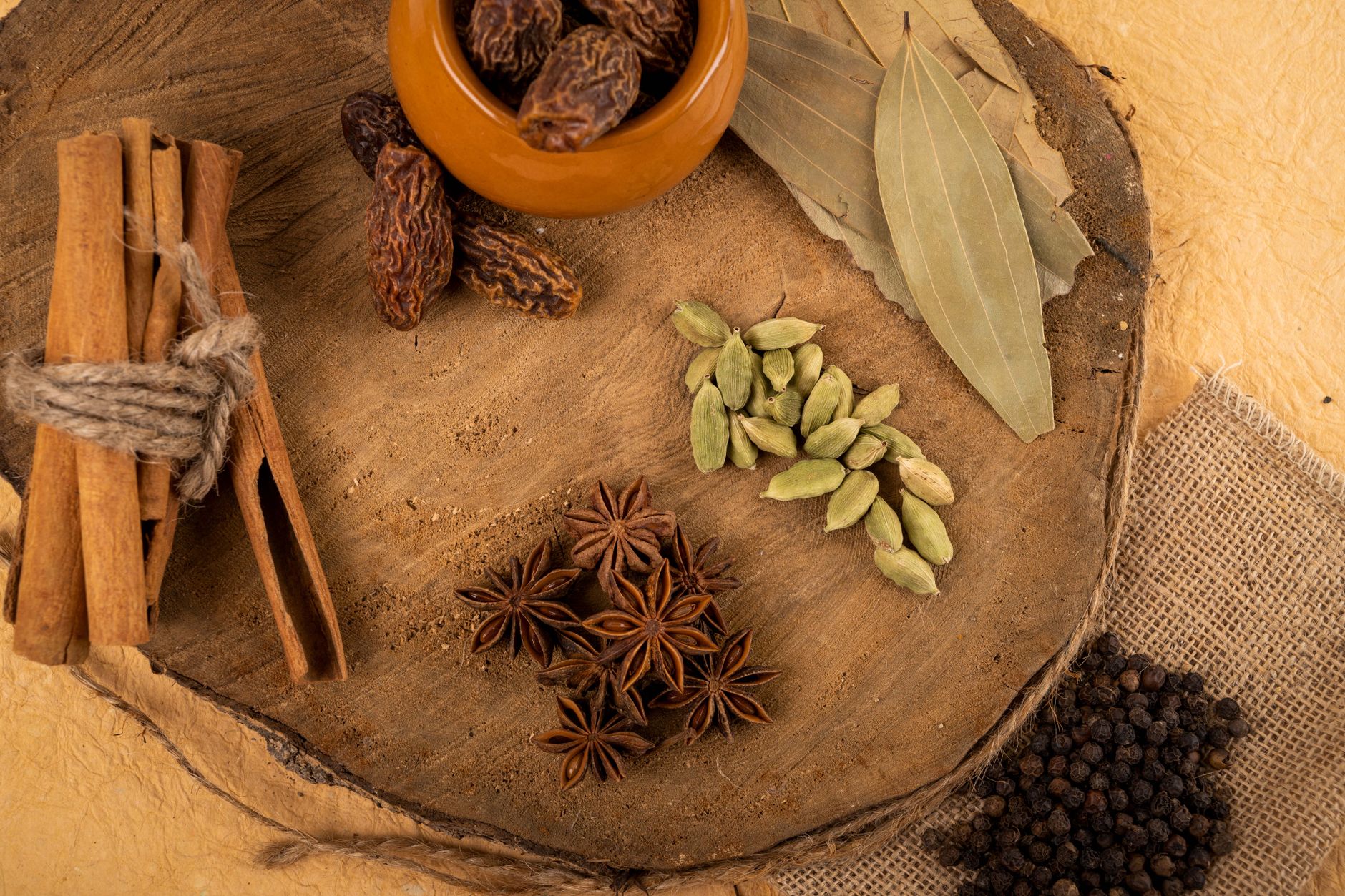
Artisan workshops provide a different dimension of immersion — the deep focus of specialist knowledge. Spending a morning with a third-generation spice blender in Kochi’s old quarter, you begin to understand cumin not as a single ingredient but as a spectrum of regional varieties with distinct volatile oil profiles, harvest timing implications, and optimal applications that change with age. The dairy craftsman in rural Punjab who makes twelve distinct paneer textures doesn’t simply teach you to make cheese — he transfers tactile knowledge about milk quality, temperature sensitivity, and the subtle pressure variations that distinguish competent from masterful results.
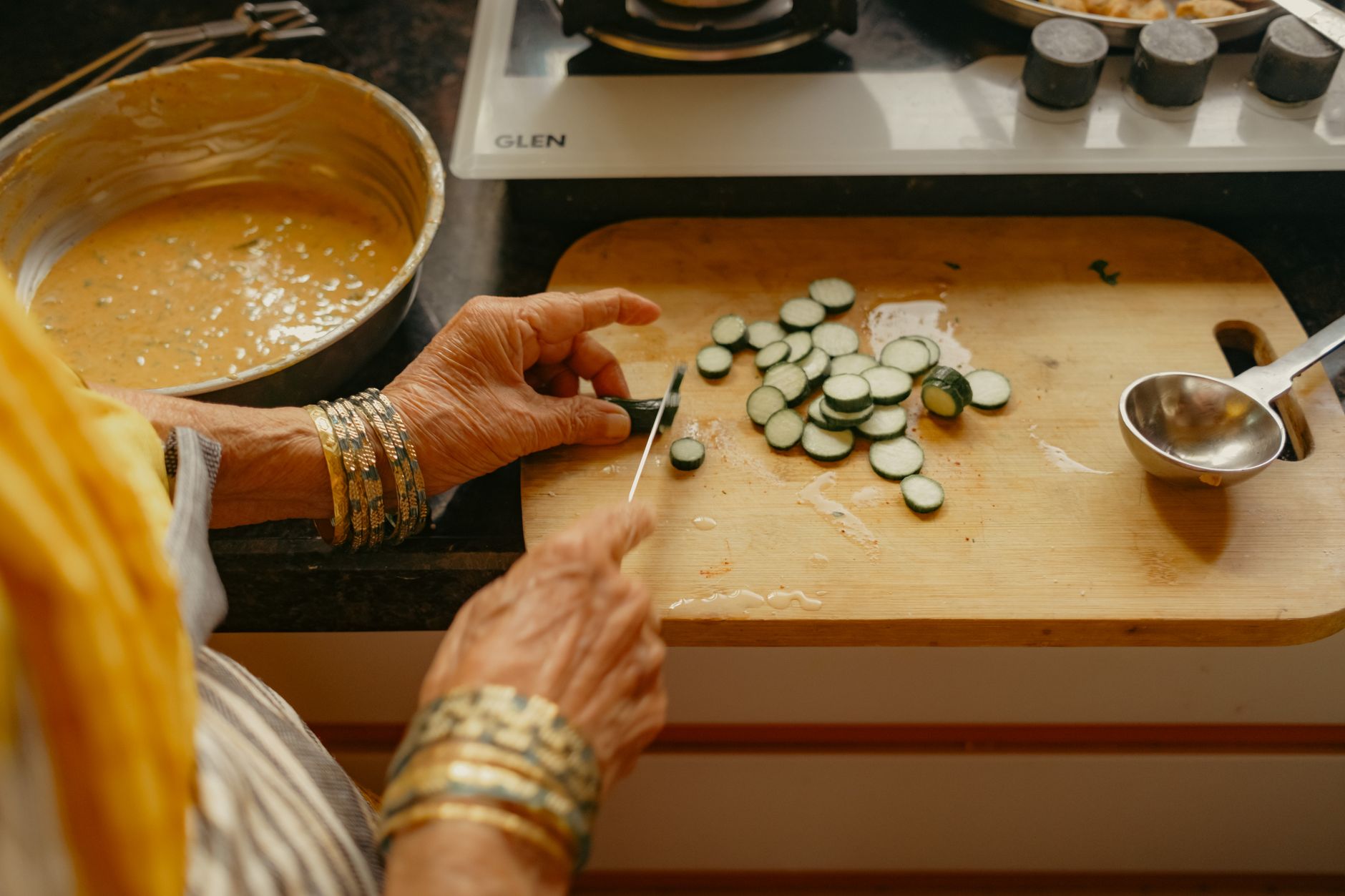
Home kitchen intimacy offers something restaurants cannot: the uncodified knowledge that lives in muscle memory, the seasonal adjustments no recipe captures, the ingredient substitutions born from necessity that became family signatures. Cooking in a Coorgi planter’s home kitchen, you’re not following a recipe for pandi curry — you’re participating in a culinary tradition where wild boar meat preparation varies by jungle microclimate, where kokum sourcing follows family relationships with specific harvesters, and where the wood used for smoking influences final flavour in ways the cook couldn’t articulate but executes flawlessly.
Chef collaborations with India’s culinary vanguard provide intellectual counterpoint — modern technique and global perspective applied to regional ingredients and traditional flavour principles. These sessions, typically held in private dining settings or the chef’s own development kitchen, explore how classical training reinterprets inherited knowledge. You’re working alongside cooks who’ve trained in Copenhagen or Paris but returned home to interrogate their grandmothers’ recipes with new technical frameworks, creating dialogue between tradition and innovation that expands your understanding of both.
True culinary literacy in India requires understanding procurement as deeply as preparation — the season, the source, the hands that cultivated or harvested, the journey from field to flame.
Market-to-table mentorship transforms shopping from logistics into learning. Accompanying a chef through Jaipur’s vegetable mandis at 5 AM, you begin to read seasonality, quality indicators, and price fluctuations that reveal climate patterns, harvest timing, and regional growing conditions. The best chefs select ingredients with the attention master sommeliers bring to vintage evaluation — they’re assessing terroir, handling, and optimal preparation methods before purchase, transferring to you the foundational skill underlying all superior cooking: knowing what to buy, when, and from whom.
Regional Culinary Immersion Architectures: How India Food Tours Adapt to Distinct Gastronomic Geographies
India’s gastronomic diversity demands region-specific immersion frameworks. Rajasthan’s desert culinary tradition, shaped by water scarcity and extreme temperature variation, reveals its logic only through hands-on engagement with preservation techniques. In a haveli kitchen outside Bikaner, you’re learning marwari ingenuity — how to sun-dry vegetables for months-long storage without refrigeration, the physics of sangri and ker preparation that renders desert beans and berries not merely edible but delicious, and the strategic use of ghee and buttermilk that sustained nomadic populations. Royal kitchen access adds another layer: recipes developed for maharajas who demanded luxury within desert constraints, resulting in dishes of extraordinary refinement made from seemingly humble ingredients.
Kerala’s spice coast methodology follows different logic entirely. Here, the private cooking experiences India offers revolve around understanding Arab, Portuguese, and Jewish influences layered across centuries of maritime trade. Working in a Mappila Muslim kitchen in Kozhikode, you’re exploring culinary synthesis — how Yemeni rice preparation techniques merged with Malabar seafood, how coconut processing creates distinct flavour profiles across Muslim, Christian, and Hindu communities, and how the same spices grown on adjacent plantations yield different results based on processing and storage methods jealously guarded within families.
Bengal’s sweet science requires physical presence in ways no demonstration can convey. The mishti-makers of North Kolkata work with milk reduction, sugar crystallisation, and flavour infusion at a level of precision that rivals French patisserie, yet the knowledge transfers almost entirely through tactile learning. You cannot read your way to understanding when chhena has been kneaded to proper elasticity for rasgulla, or how to achieve the exact caramelisation that distinguishes exceptional from ordinary nolen gur. These are crafts of touch, timing, and temperature intuition built across years of daily practice — yet a week working beside a master begins to develop your sensitivity to the physical cues that matter.
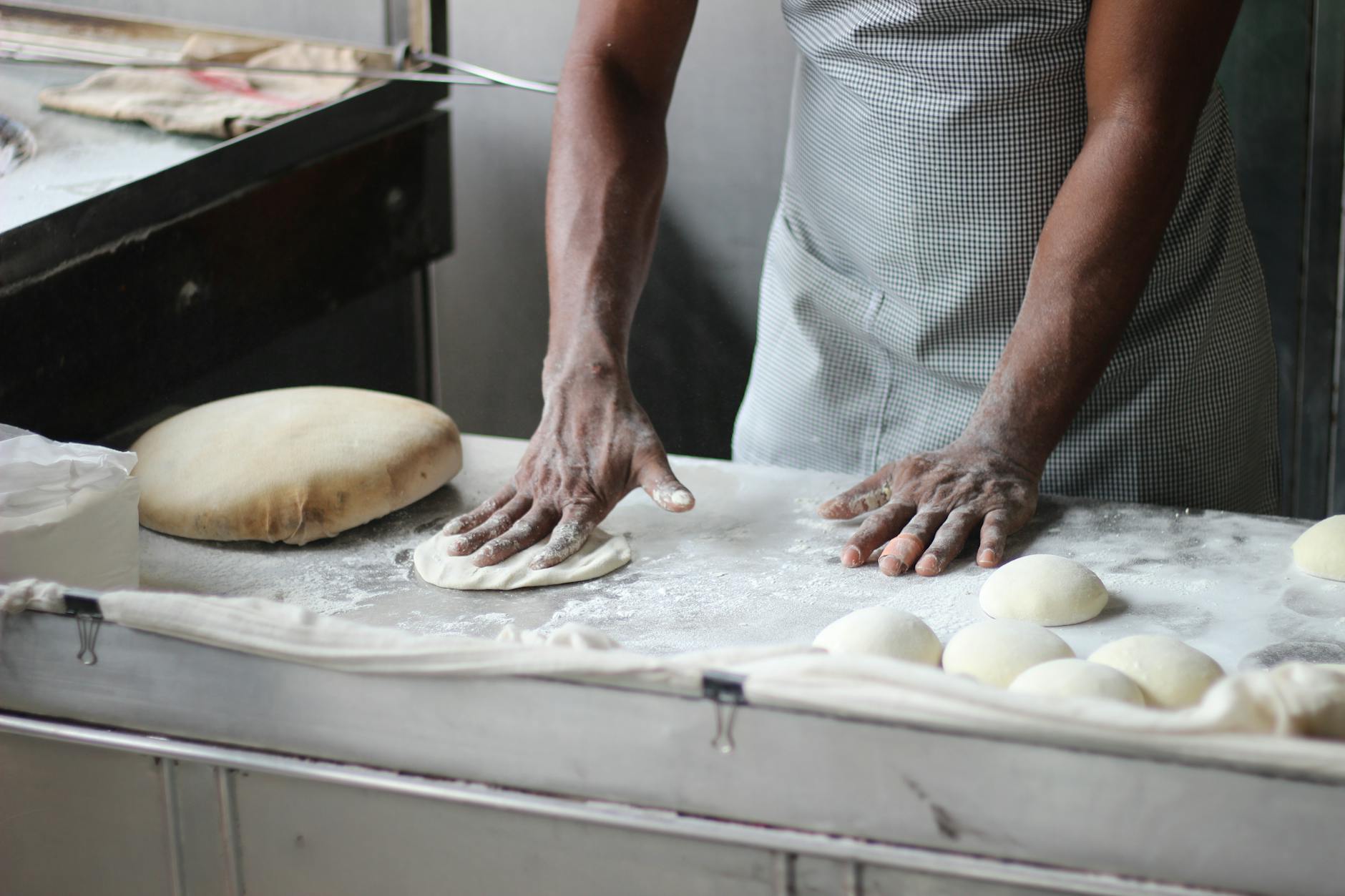
Punjab’s tandoor mastery and Amritsar’s legendary karahi specialists offer immersion in fire-based cooking traditions requiring physical strength, heat tolerance, and split-second timing developed across generations. The authentic food experiences India provides here are genuinely physical — learning to slap naan onto vertical clay walls at temperatures that redden your face from three feet away, understanding how karahi cooking at brutally high heat requires constant motion and ingredient addition timed to evolutionary, not clock, minutes, and developing respect for cooks whose daily work would exhaust most restaurant chefs within hours.
Goa’s Indo-Portuguese culinary preservation presents perhaps India’s most endangered food traditions. The Catholic communities maintaining recheado masala techniques, toddy fermentation knowledge, and pork preparation methods distinct from both Portuguese and mainstream Indian approaches represent living links to four centuries of cultural synthesis now threatened by commercialisation and generational change. Cooking in these family kitchens isn’t tourism — it’s participation in cultural conservation, learning recipes that may not survive another generation without external interest and documentation.
The Ingredient Intelligence Network: How Luxury Gastronomy Tours India Encompasses Sourcing Mastery
Meaningful culinary immersion in India requires understanding ingredient provenance with the rigor wine collectors apply to vineyard sourcing. Estate-level access transforms your relationship with basic ingredients. Visiting an organic farm in the Palakkad Gap where a single family grows seventeen heritage rice varieties, you begin to understand why ambemohar commands premium prices, how red rice from specific microclimates develops its particular mineral quality, and why serious cooks build relationships with individual farmers rather than purchasing from aggregators.
Seasonal ingredient calendars reveal why timing matters as much as destination selection for India food tours. The alphonso mango season in Ratnagiri lasts mere weeks — miss it, and you cannot understand why this specific fruit commands international reverence. Similarly, the winter harvest of certain rice varieties in Tamil Nadu, the brief window for fresh turmeric in Kerala, or the autumn spice harvest across the Western Ghats represent opportunities that recur annually but demand precise scheduling. We build itineraries around these calendars when culinary immersion is your primary objective, ensuring your journey coincides with ingredients at their seasonal peak.
Artisan dairy trails through Punjab and Rajasthan provide education in milk’s infinite variations. The dahi from buffalo milk in a specific village outside Amritsar tastes fundamentally different from cow’s milk yogurt made fifty kilometres away — different terroir, different gut flora in the animals, different fermentation approaches passed through families. Understanding these distinctions requires tasting at source, meeting the animals, observing processing methods, and beginning to develop the sensory vocabulary that distinguishes adequate from exceptional dairy products.
The spice DNA deep-dive represents perhaps the most intellectually satisfying dimension of culinary immersion. Working with fourth-generation merchants in Fort Cochin or Old Delhi’s Khari Baoli, you move beyond purchasing to understanding cultivation choices, optimal harvest timing for different applications, post-harvest processing that preserves or develops specific flavour compounds, and blending philosophies that treat spices as a perfumer treats essences — considering volatility, solubility, and aromatic evolution across cooking time and heat application.
Designing Your India Food Tours Journey: The Royal India Holidays Consultative Approach
Creating meaningful culinary immersion requires understanding your existing knowledge, technical comfort level, and learning objectives before suggesting specific experiences. We begin every India food tours conversation by assessing what you already know — your cooking background, techniques you’ve mastered, regional cuisines you’ve studied, and what genuinely interests you beyond generalised “Indian food” curiosity. A client who’s completed professional pastry training requires different Bengali sweet workshops than someone approaching mishti for the first time. Similarly, someone with deep Southeast Asian cooking knowledge can accelerate through certain Kerala techniques while requiring more context for North Indian approaches.
Our culinary intelligence network, built across seventeen years of relationship cultivation, allows us to match your objectives with appropriate mentors. We know which palace kitchens welcome serious students versus those preferring casual observers, which artisan families have patience for technical questions versus those who teach primarily through demonstration, and which chefs enjoy intellectual dialogue about technique versus those who transfer knowledge through silent repetition. These distinctions matter enormously for learning efficiency and mutual satisfaction.
The value of unhurried exploration cannot be overstated in culinary contexts. Meaningful India food tours require sufficient time for relationships to develop, for spontaneous opportunities to emerge, and for your palate to calibrate to new flavour dimensions before advancing to more complex material. We typically recommend fourteen to twenty-one days minimum for comprehensive regional immersion — enough time to revisit certain kitchens as your questions evolve, to pursue unexpected interests that emerge mid-journey, and to develop the kind of rapport with cooking families that transforms instruction into genuine collaboration. The cooking mentors we work with have decades of knowledge to share. Extracting meaningful depth from those relationships requires patience, curiosity, and the luxury of unhurried time — resources we help you deploy with maximum educational return.
If you’re ready to move beyond restaurant circuits and observation-only food experiences toward genuine culinary apprenticeship with India’s finest cooking families and ingredient artisans, we invite you to begin a conversation with one of our India specialists. We’ll discuss your culinary interests, existing knowledge, and the regional traditions that most intrigue you, then design a bespoke immersion journey that positions you not as tourist, but as student in India’s most accomplished private kitchens.


