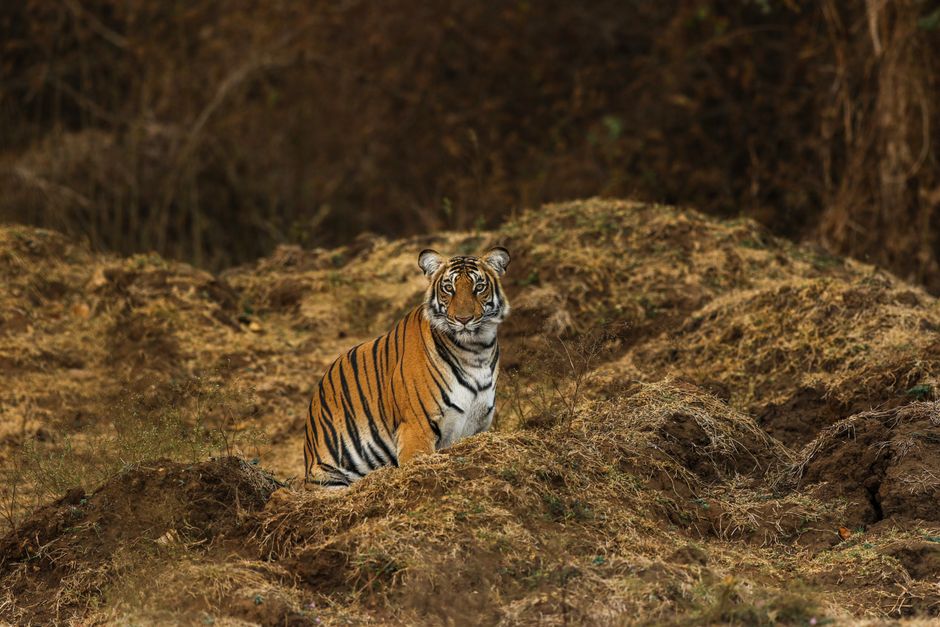


India’s wilderness offers more than tiger sightings—it promises transformative encounters with nature, and when crafted correctly, your bespoke wildlife holiday India becomes an orchestrated symphony of exclusive game drives, private conservancies, and lodges where luxury meets the wild. The difference between a standard safari and a truly exceptional wildlife journey lies not in the animals you see, but in how you see them: the quality of your naturalist guide, the exclusivity of your access, the quietude of your lodge, and the seamlessness with which each day unfolds. Planning such an experience requires intimate knowledge of India’s vast wilderness network, relationships with the country’s finest properties, and an understanding that the most profound wildlife encounters happen when logistics disappear entirely and you’re left simply present in the moment.
Understanding India’s Premier Wildlife Destinations for Bespoke Experiences
The geography of Indian wildlife spans Himalayan foothills to teak forests, granite outcrops to alluvial grasslands, and your bespoke itinerary must reflect which landscapes speak to your particular sensibility. Ranthambore National Park in Rajasthan offers the theatrical backdrop of 10th-century fortresses rising above lakes where tigers come to drink at golden hour, but its accessibility means crowds—your advantage lies in securing zones with minimal vehicles and scheduling game drives when most visitors are at breakfast. The park’s Zone 3 and Zone 6 offer consistent tiger sightings, and working with specialists who maintain relationships with forest officials can mean the difference between sharing a sighting with eight jeeps or experiencing it in near-solitude.
Bandhavgarh, nestled in Madhya Pradesh’s Vindhya hills, holds India’s highest density of Bengal tigers and a landscape of sal forests and bamboo thickets that create natural drama. The reserve’s Tala zone remains legendary among naturalists, but Khitauli and Magdhi zones offer equally compelling encounters with fewer visitors. A luxury tiger safari India in Bandhavgarh means staying at properties like Samode Safari Lodge or Mahua Kothi, where naturalists who’ve spent decades in these forests accompany every drive, reading pug marks and alarm calls with the fluency of native speakers.
February through April offer peak tiger visibility as foliage thins and water sources concentrate wildlife, but November brings migrant birds and pleasant temperatures—consider what matters more to your narrative.
For those seeking wilderness beyond tigers, Kaziranga in Assam protects the world’s largest population of one-horned rhinoceros across tall elephant grass and shallow wetlands. Morning elephant-back safaris here—conducted by trained mahouts and limited to specific zones—offer perspectives impossible from vehicles, while the surrounding tea estates provide cultural counterpoint. Pench, Tadoba, and Kanha represent India’s quieter tiger reserves, where private wildlife tours India can be designed around sloth bear tracking, wild dog packs, and leopard territories without the crowds that define more famous parks.
Selecting Ultra-Luxury Wildlife Lodges and Private Camps
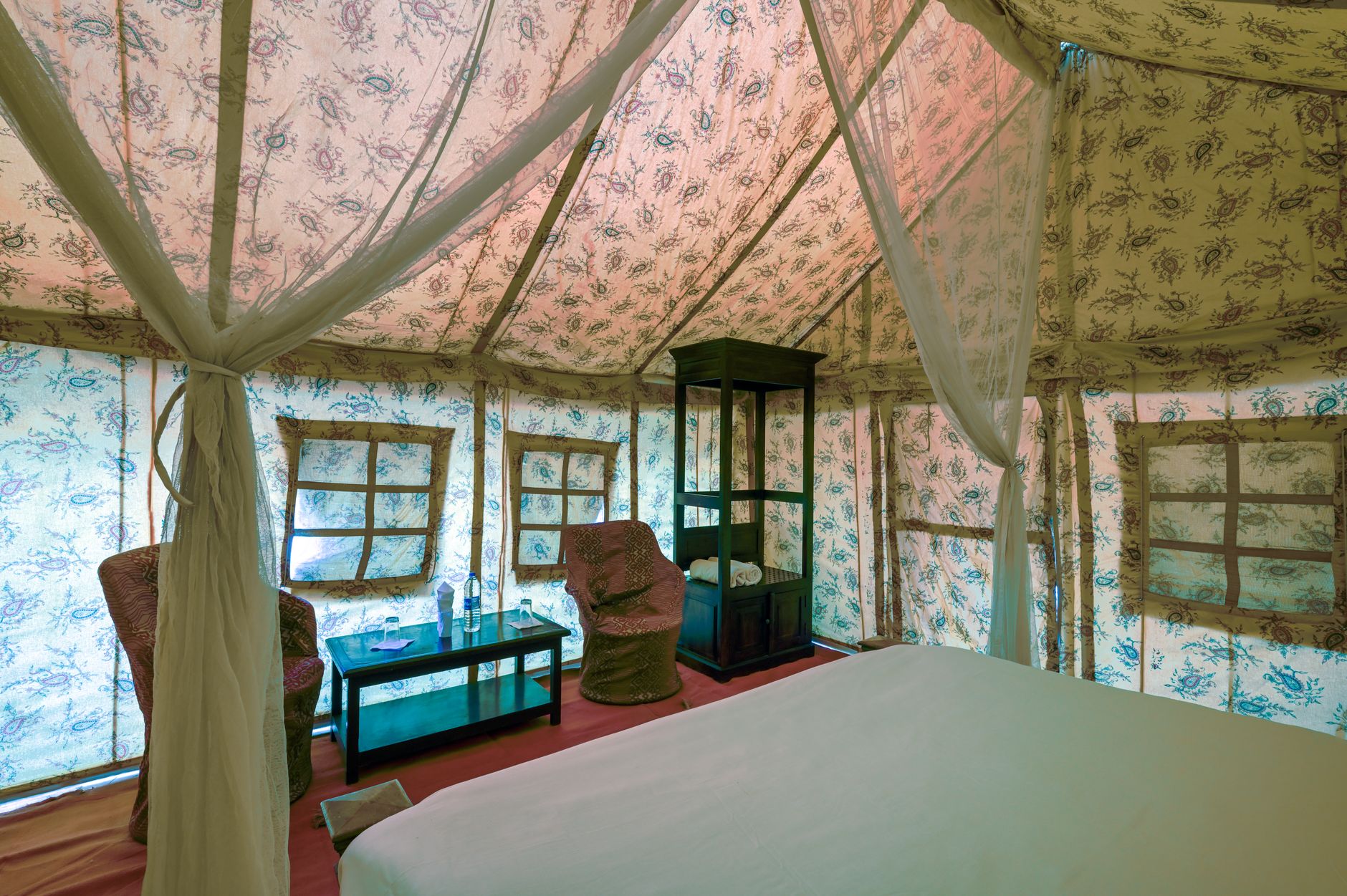
The lodge you choose shapes your wildlife experience as profoundly as the reserve itself. Ultra-luxury in this context means more than thread count—it means properties designed by architects who understand how to frame wilderness views, built with materials that honour local craft traditions, and operated by teams who recognize that true luxury is anticipatory service so seamless you never articulate a need. Aman-i-Khas outside Ranthambore exemplifies this philosophy: ten Mughal-inspired tents with private dining courtyards, floor-to-ceiling canvas walls that disappear to reveal acacia forests, and naturalists who customize each game drive based on your previous sightings and photographic interests.
The Oberoi Vanya Vilas in Ranthambore takes a different approach—colonial elegance with temperature-controlled luxury tents featuring freestanding bathtubs and private gardens, while maintaining the intimacy of just 25 tents across 20 acres of landscaped wilderness. Sujan Jawai, positioned in the granite hills of Pali district where leopards are habituated to human presence, offers an entirely different aesthetic: nine tented suites atop a ridge, designed in earthy palettes that echo the surrounding boulders, where you can watch leopards traverse rocky outcrops from your private deck at dusk.
Exclusive wildlife lodges India increasingly offer private conservancies and exclusive-use options for families or groups seeking complete autonomy. Properties like Taj Safaris’ Baghvan in Pench can be booked entirely, providing dedicated naturalists, customized meal times, and the freedom to structure game drives around your rhythm rather than fixed schedules. The distinction between a beautiful hotel near a park and a true wildlife lodge lies in integration—properties where naturalists are resident experts rather than contracted drivers, where vehicle quality means professional-grade suspension and viewing platforms, and where lodge positioning allows you to hear sambar alarm calls from your room at dawn.
The most profound wildlife encounters happen when logistics disappear entirely and you’re left simply present in the moment.
Architectural excellence in wilderness lodges balances comfort with ecological sensitivity. Jamtara Wilderness Camp in Pench uses solar power and rainwater harvesting while maintaining five-star service standards, proving sustainability and luxury need not compromise. The private plunge pools, locally-sourced cuisine, and in-room Ayurvedic spa treatments become means of restoration between game drives, ensuring you’re mentally present for each wildlife encounter rather than exhausted by basic discomfort.
Crafting Your Personalised Wildlife Itinerary
A well-designed bespoke wildlife holiday India rarely focuses on a single reserve. The country’s ecological diversity—deciduous forests in Madhya Pradesh, grasslands in Assam, arid scrubland in Rajasthan—means combining destinations creates richer wildlife portfolios and prevents the subtle fatigue that comes from repetitive landscapes. A compelling 12-day itinerary might pair Ranthambore’s tigers against fortress backdrops with Jawai’s leopards on granite, then conclude in Kanha where tiger viewing happens amid vast meadows called maidans, surrounded by sal forests that turn golden in late afternoon light.

Duration matters more than most travellers anticipate. Safari fatigue—the diminishing return of excitement after too many consecutive game drives—typically emerges around day five in a single location. Ten to fourteen days allows for three or four reserves without rushing, building in rest days for spa treatments, village walks with anthropologists, or simply sitting on your private deck with binoculars and a book. This pacing acknowledges that wildlife viewing is fundamentally about patience and receptivity, qualities that disappear when you’re exhausted.
The integration of cultural experiences elevates wildlife itineraries from impressive to memorable. Beginning or ending in Rajasthan allows for palace stays in Udaipur or Jaipur, providing architectural grandeur as counterpoint to wilderness minimalism. Kerala’s backwaters offer post-safari recuperation on private houseboats, while Himalayan extensions to Bhutan—where snow leopard tracking can be arranged for the particularly adventurous—create elevation and climate contrast. These cultural interludes provide perspective, reminding you that India’s richness extends far beyond its celebrated fauna.
Private game drives differ fundamentally from shared vehicles. Beyond the obvious benefit of controlling timing and route, private vehicles allow your naturalist to pursue specific interests—perhaps you’re fascinated by bird calls, or you want to understand predator-prey dynamics, or you’re shooting with professional camera equipment and need time for setups. Walking safaris with armed forest guards, available in select reserves, transform your relationship with the landscape entirely—suddenly you’re reading tracks, noticing scat, understanding why certain trees show claw marks. Boat safaris in Kaziranga or Kanha’s water bodies offer yet another perspective, particularly for photographing fishing eagles, kingfishers, and marsh crocodiles.
Exclusive Experiences That Define Bespoke Wildlife Travel
What separates a luxury wildlife experience from an exceptional one often comes down to the opportunities most travellers never know exist. Private photography workshops with renowned wildlife photographers—professionals who’ve spent careers in these forests—can be arranged for serious enthusiasts, complete with specialized lenses, hide access, and instruction in low-light shooting techniques for dawn encounters. These sessions aren’t about guaranteeing shots but about understanding animal behaviour well enough to anticipate moments before they happen.
Conservation immersion experiences offer behind-the-scenes access that transforms your understanding of wildlife management. Reviewing camera trap footage with field biologists, accompanying researchers on tiger monitoring patrols, or participating in habitat restoration discussions adds intellectual dimension to purely observational safaris. Several exclusive wildlife lodges India maintain partnerships with conservation organizations, allowing guests to understand the complex realities of human-wildlife coexistence in India’s densely populated landscape.
Sundowners in the wilderness—champagne and canapés served at private locations within forest boundaries, timed precisely with sunset—represent the pinnacle of safari romance. These aren’t roadside stops but carefully selected clearings or rocky promontories where you watch the light change over territory you’ve been exploring, accompanied by your naturalist’s stories of individual tigers and their lineages. For time-conscious travellers combining multiple reserves, helicopter transfers eliminate the six-hour drives between parks, allowing you to breakfast in Ranthambore and take an evening game drive in Pench.
Customized extensions acknowledge that India rewards exploration beyond conventional boundaries. Bhutan’s snow leopard tracking expeditions in spring, operating at altitudes above 4,000 metres with specialized guides and mountain camps, appeal to those seeking the planet’s most elusive cats. Sri Lankan leopard safaris in Yala provide interesting comparison—different subspecies, different habitat, different behaviours. Some travellers conclude wildlife-intensive journeys with a week in the Maldives, private islands where overwater villas and absolute quietude provide physical recovery after the sensory intensity of Indian jungles.
Working with specialists who design bespoke wildlife holidays requires finding advisors who maintain direct relationships with India’s finest lodges, understand seasonal wildlife patterns across different reserves, and possess the naturalist knowledge to match your interests with appropriate destinations. Royal India Holidays creates fully personalised wildlife itineraries reflecting your pace, interests, and expectations—whether that means focusing entirely on big cats, incorporating rare birds and lesser-known mammals, or weaving wildlife encounters into broader cultural explorations. Connect with our specialists to begin designing your extraordinary Indian wildlife adventure, one that unfolds at your rhythm and delivers encounters you’ll recount for decades.