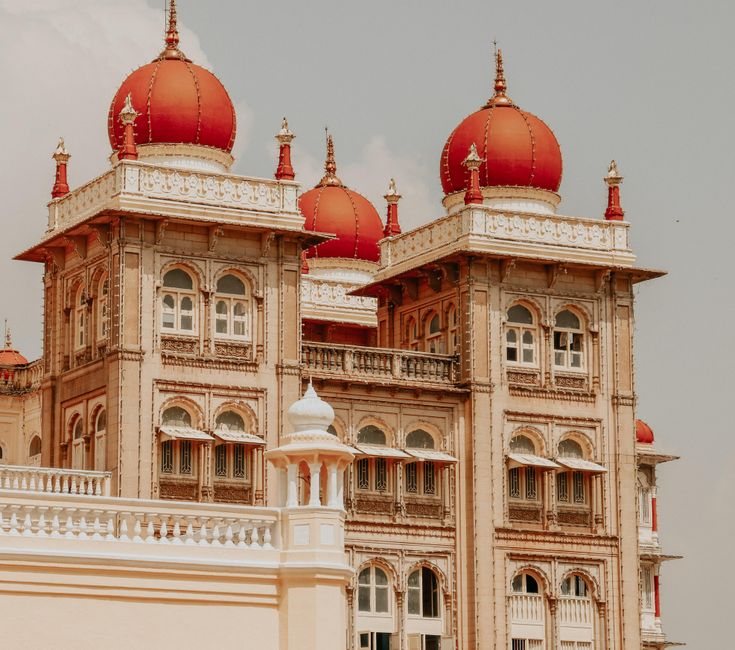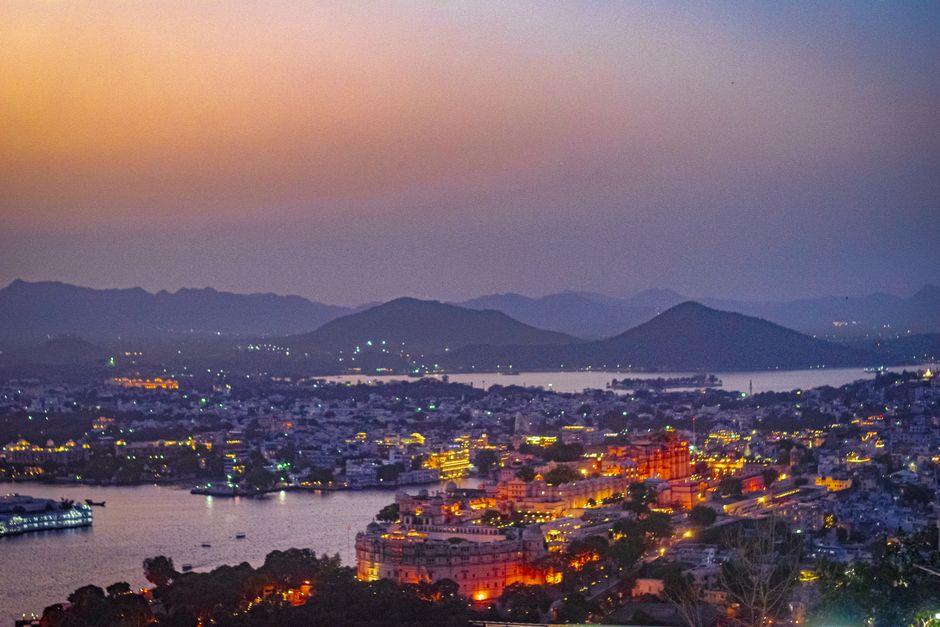


While most travellers glimpse India’s legendary rivers from crowded ghats and bridges, a select few experience them from the teak decks of intimate floating palaces—where colonial-era elegance meets contemporary luxury, and every bend reveals temples, villages, and wildlife sanctuaries inaccessible by any other means. A luxury India river cruise represents perhaps the most sophisticated way to access the subcontinent’s spiritual and cultural heartlands, offering perspectives that even the finest palace hotels cannot provide: the Ganges at dawn with temple spires emerging through mist, the Brahmaputra’s wildlife-rich banks where one-horned rhinoceros drink at water’s edge, the rhythm of rural Bengal unfolding as you drift past villages unchanged for centuries.
These voyages operate at the opposite end of the spectrum from conventional river cruising. With never more than fifty-six passengers, crew-to-guest ratios that match the world’s finest hotels, and shore excursions designed for genuine cultural immersion rather than superficial sampling, India’s premier river cruise operators have created something quite rare: a way to journey deep into the subcontinent’s soul while never surrendering the comforts, privacy, and bespoke service that discerning travellers rightfully expect.
India’s Premier Luxury River Cruise Routes: Ganges, Brahmaputra & Beyond
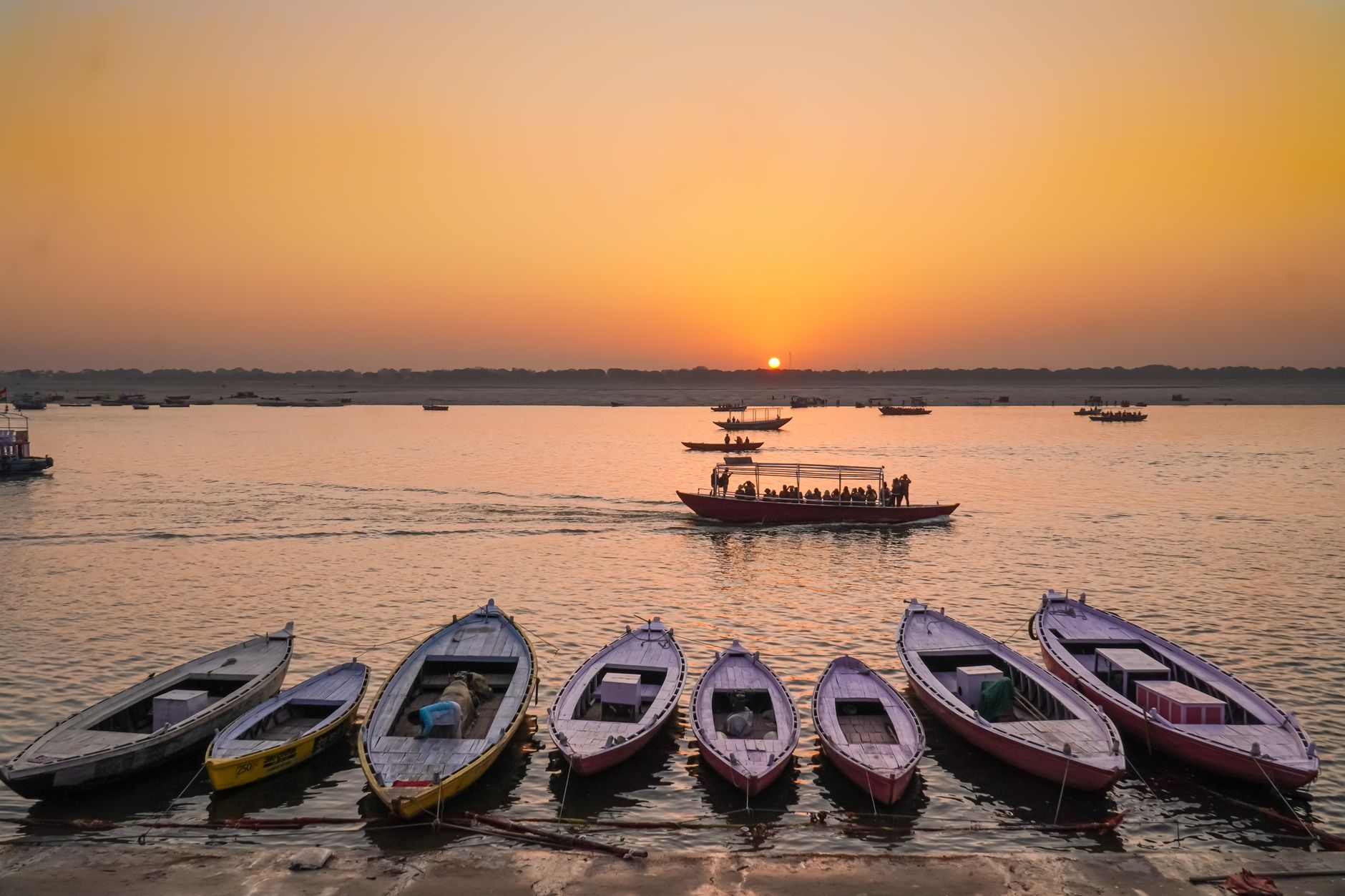
The lower Ganges between Kolkata and Varanasi remains India’s signature luxury river cruise route, typically unfolding across seven to eleven nights. This is not the Ganges of Delhi or the Himalayan foothills, but the mature river flowing through Bengal and Uttar Pradesh—wide, contemplative, lined with terracotta temples that glow amber in late afternoon light. Your vessel calls at Kalna’s remarkable cluster of 108 Shiva temples, glides past Murshidabad’s forgotten Nawabi palaces, and anchors at Mayapur where the evening aarti ceremony draws thousands of devotees to riverfront ghats. The journey culminates in Varanasi, approached from the water at sunrise when the city’s spiritual intensity is most palpable.

The Brahmaputra presents an entirely different proposition—this is expedition river cruising through Northeast India’s remote Assam Valley. Seven to nine night itineraries aboard purpose-built vessels access Kaziranga and Manas National Parks, both UNESCO World Heritage Sites where Bengal tigers, Asian elephants, and the endangered one-horned rhinoceros inhabit floodplain grasslands. Shore excursions venture into tea estates where you’ll meet fourth-generation planters, and visit villages of the Mishing and Deori tribes whose culture remains deeply connected to the river’s annual flood cycles. The Brahmaputra’s scale—it ranks among Asia’s great rivers—creates a voyage of genuine exploration, with wider horizons and a frontier feeling absent from the more inhabited Ganges.
The Ganges season runs October through March, but December through February offers the most stable water levels and comfortable temperatures. For the Brahmaputra, November through early April is optimal—arrive too early and monsoon remnants may linger; too late and pre-monsoon heat becomes oppressive. Book specific departure dates carefully, as water levels can occasionally force itinerary modifications.
The Hooghly River, the Ganges’ westernmost distributary, supports shorter three to four night journeys focused on colonial Bengal. These expeditions explore the textile heritage of Chandannagar, the terracotta temple architecture of Bishnupur, and Kolkata’s backstory through visits to Dutch, French, and British trading posts. While briefer than the main Ganges itineraries, Hooghly cruises integrate beautifully into broader India itineraries as a cultural prologue or coda to longer journeys.
The Vessels: Inside India’s Floating Five-Star Hotels
India’s luxury river cruise fleet consists of just four vessels operating at the highest level: Ganges Voyager II and ABN Rajmahal on the Ganges, Sanctuary Ganges Voyager serving both Ganges and Hooghly routes, and MV Mahabaahu plying the Brahmaputra. These are not scaled-down ocean ships but purpose-designed vessels—shallow-drafted, intimate in scale, with interiors referencing India’s colonial-era river steamers while incorporating every contemporary comfort. Maximum capacity ranges from twenty-four passengers on Sanctuary Ganges Voyager to fifty-six on MV Mahabaahu, creating a house-party atmosphere quite distinct from conventional cruising’s anonymity.
Suite configurations lean toward generous proportions. Entry-level colonial suites typically span two hundred to two hundred fifty square feet, featuring king beds dressed in high-thread-count linens, seating areas with period writing desks, and bathrooms appointed with rainfall showers and premium Indian toiletries. Top-tier owner’s suites extend beyond four hundred fifty square feet, adding private balconies where you can take breakfast as rural India drifts past, separate sitting rooms, freestanding bathtubs, and butler service. The design vocabulary across all vessels emphasizes handcrafted teak furniture, vintage prints and photographs documenting India’s river heritage, and colors drawn from natural dyes—indigo, turmeric, madder root.
Onboard amenities focus on contemplation and cultural enrichment rather than the entertainment apparatus of ocean cruising. Observation decks furnished with cushioned loungers provide front-row seating for river life—fishermen casting nets at dawn, water buffalo cooling in shallows, the daily commerce of riverside villages. Small spa facilities offer Ayurvedic treatments using regionally sourced ingredients. Libraries stock carefully curated collections on Indian history, art, and spirituality, while lecture rooms host resident Indologists who provide context for what you’re witnessing beyond your window. Evening entertainment skews toward classical: a Kathak dancer performing under stars, a sarod recital after dinner, documentary screenings about contemporary India.
The true luxury lies not in marble bathrooms or thread counts, but in the crew-to-guest ratio—one staff member for every passenger, sometimes better—creating service so intuitive and personalized it recalls the golden age of travel.
Butlers assigned to premium suites come to understand your preferences by the second day: how you take morning coffee, whether you prefer early or later shore excursions, your interest in photography or birdwatching informing what they point out from the sun deck. This level of attentiveness represents the fundamental difference between river cruising at this level and even excellent hotels—the entire vessel’s resources focus on fewer than sixty guests for the duration of your voyage.
The Experience: What Luxury River Cruising in India Actually Feels Like
Daily rhythms establish themselves quickly, governed by light rather than schedule. You wake naturally as sunrise colors shift from pearl to rose to gold, perhaps joining morning yoga on the sun deck or simply taking coffee while watching the river come alive. Breakfast spans two hours—there’s no rush, no forced early departure. Your vessel cruises slowly during morning hours, covering perhaps twenty to thirty kilometers while you linger over fresh mango, masala dosa prepared to order, French press coffee.

Shore excursions dominate mornings and late afternoons, timed to avoid midday heat. These are not coach tours herding thirty people through ticketed monuments. You travel in groups of eight to twelve maximum, often with exclusive access arranged through relationships built over decades. At Kalna’s temple complex, the head priest opens chambers usually closed to visitors, explaining the iconography while morning light illuminates frescoes barely visible in typical touring conditions. In Assamese villages, an anthropologist who’s worked in the region for twenty years facilitates genuine conversations with Mishing weavers, translating not just language but cultural context. At silk weaving cooperatives, you’re welcomed into workshops where pattern design decisions happen, not showrooms where finished products await tour groups.
Onboard enrichment extends beyond passive observation. Guest lecturers—often retired academics or specialists in Indian art history—deliver talks that illuminate what you’re seeing: the theological differences between Vaishnavite and Shaivite temple architecture, the economic forces that built and then bankrupted Bengal’s Nawabi courts, the ecological challenges facing the Brahmaputra basin. The ship’s chef conducts cooking demonstrations, teaching the technique behind dishes you’ve been enjoying: the proper tempering of mustard seeds for Bengali fish curry, the art of rolling perfect parathas. Some evenings bring classical musicians aboard—a tabla master and sitarist performing ragas traditionally associated with rivers and rain.
The intimacy factor fundamentally shapes the experience. With two dozen to fifty passengers maximum, you come to know fellow travellers—often similarly well-travelled individuals who bring their own perspectives to dinner conversations. The Australians who’ve done extensive overland journeys through Central Asia, the British couple who winter in Rajasthan every year, the American art collectors researching miniature paintings. Unlike ocean cruising’s enforced socializing or resort isolation, river cruising at this scale creates natural opportunities for meaningful connection alongside ample space for privacy and contemplation.
Practical Considerations for Ultra-High-Net-Worth Travellers
Investment for seven to eight night Ganges luxury cruise itineraries ranges from £4,500 to £9,000 per person, varying by vessel, suite category, and season. This typically encompasses accommodation, all meals including premium spirits and wines, guided shore excursions with entrance fees, onboard lectures and entertainment, and gratuities. Not included: international flights, pre- and post-cruise hotel stays, personal expenses, and specialist photography or birding guides if desired beyond the standard naturalist accompaniment on Brahmaputra expeditions.
River cruises integrate beautifully into broader India itineraries as the cultural-heritage centerpiece. The most successful itineraries we design for clients bookend river voyages with complementary experiences: perhaps beginning with three nights at Kolkata’s finest heritage hotel for acclimatization and city exploration, then embarking on the Ganges cruise, followed by tiger safari at Bandhavgarh, and concluding with palace hotel immersion in Rajasthan. Or positioning the Brahmaputra expedition after Bhutan’s dzongs and monasteries, creating a natural transition from Himalayan Buddhist culture to Assam’s Hindu-animist traditions. The contemplative pace of river cruising—moving gently, unpacking once, absorbing rather than rushing—provides welcome counterpoint to India’s intensity.
Charter opportunities exist for families or groups seeking complete privacy and itinerary control. Full-vessel buyouts start around £100,000 depending on vessel and season, but deliver extraordinary value for extended families celebrating milestone occasions. You determine departure dates, customize shore excursions to match group interests, and even select guest speakers or musicians. One client chartered a vessel for three generations celebrating a patriarch’s eightieth birthday, inviting a scholar of Vaishnavite philosophy to travel with them and conducting private evening satsangs exploring themes from the Bhagavad Gita.
Booking timelines deserve attention. The finest suites on premium departure dates—Diwali season on the Ganges, or peak wildlife viewing periods on the Brahmaputra—routinely sell out ten to fourteen months ahead. Working with India travel specialists ensures not just securing the right accommodations but integrating your river cruise seamlessly with overland arrangements, managing the logistics of meeting your vessel in sometimes remote embarkation points, and maintaining the quality standards you expect throughout your journey.
Is a Luxury River Cruise Right for Your India Journey?
River cruising excels in specific contexts. If you’re seeking cultural depth without the fatigue of constant hotel changes, it’s near-perfect—you unpack once while India unfolds outside your window. For travellers who value intimate scale over resort anonymity, who find meaning in measured pace and close observation rather than rapid monument accumulation, the river cruise format delivers exceptionally well. The unique vantage point matters profoundly: riverside temples seen from the water at dawn, wildlife sanctuaries accessed by small boat through channels impossible for road vehicles, villages that receive so few outsiders that your arrival becomes a genuine cultural exchange rather than transaction.
Mobility considerations also favor river cruising. The vessels accommodate less mobile travellers far more gracefully than overland India touring, with elevators between decks, no strenuous walking required, and shore excursions that can be adjusted for varying fitness levels. We’ve designed successful river cruise itineraries for clients who couldn’t manage the palace stairs and tiger safari jeep transfers that characterize traditional luxury India touring.
That said, river cruising isn’t the optimal choice for every India journey. Those prioritizing wilderness tiger encounters should allocate more time and budget to multiple safari lodges rather than single Brahmaputra wildlife excursions. Travellers drawn to active Himalayan trekking, rock-cut cave temple exploration requiring significant climbing, or the architectural pilgrimage through Rajasthan’s palace hotels may find their budget better deployed elsewhere. India offers sufficient diversity that thoughtful prioritization matters.
Our perspective after designing hundreds of bespoke India journeys: river cruises integrate most successfully into longer eighteen to twenty-five day grand tours, serving as a contemplative cultural centerpiece between more active experiences. The Ganges cruise becomes your deep immersion into Hindu spirituality and Bengali heritage, bookended by Ranthambore’s tigers and Rajasthan’s maharaja legacy. Or the Brahmaputra expedition caps three weeks exploring Northeast India’s tribal cultures and wildlife sanctuaries, regions few Western travellers ever witness. In these contexts, river cruising accesses dimensions of India genuinely unavailable through any other luxury travel format—making it not merely another way to see India, but the only way to see certain Indias at all.
Our India specialists have personally experienced every vessel, every route, and every season. We understand which Ganges departures offer the most compelling festival experiences, which Brahmaputra itineraries provide optimal wildlife sightings, and how to integrate river voyages seamlessly into broader journeys across the subcontinent. If you’re contemplating India’s sacred rivers as part of your next journey, we’d be delighted to discuss how floating palaces and exclusive access might shape an experience crafted entirely around your interests and expectations.