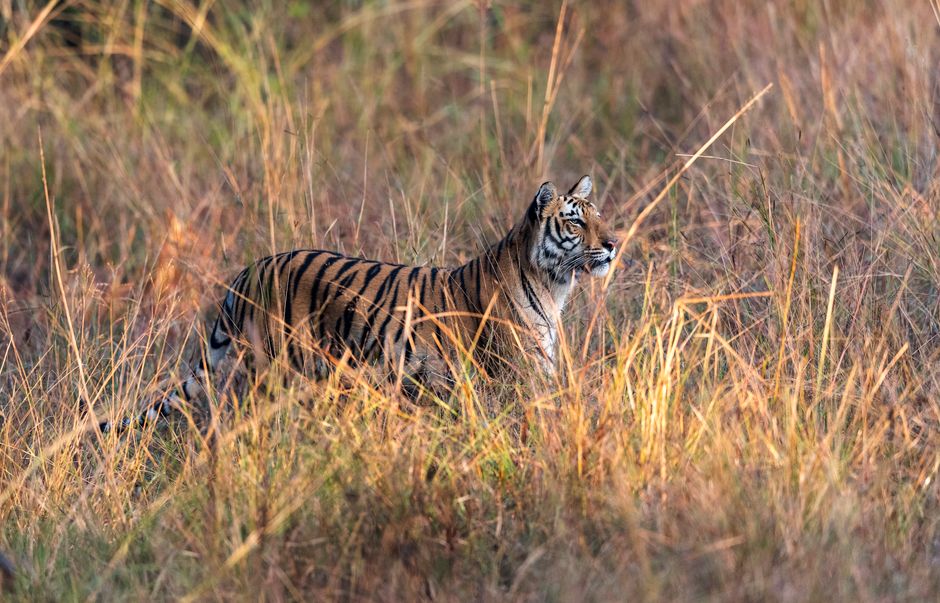


The most memorable luxury journeys aren’t defined by a single experience, but by the artful contrast between exhilaration and restoration—and nowhere does this pairing reveal itself more perfectly than in India’s tiger forests and pristine coastlines. A tiger safari beach escape creates something far more sophisticated than two holidays stitched together: it establishes a narrative rhythm that mirrors how we’re designed to experience the world at its most vivid. The adrenaline-heightened focus of tracking a Royal Bengal tiger through sal forests gives way to barefoot languor on a private stretch of Arabian Sea coastline. One experience amplifies the other, and together they form what discerning travellers increasingly recognise as India’s perfect luxury itinerary formula.
The Philosophy Behind Contrast: Why Luxury Travel Thrives on Duality
Neuroscience tells us that our most enduring memories form not during continuous states, but at points of transition—the shift from anticipation to fulfilment, from intensity to release. This is why combining a luxury India wildlife beach experience creates such lasting resonance. When you’ve spent three mornings in Bandhavgarh’s dawn mist, your senses calibrated to the snap of a langur’s alarm call or the distinctive pugmarks pressed into red earth, the subsequent transition to an ocean-view villa in South Goa doesn’t simply feel relaxing. It feels transformative. The contrast creates cognitive space for integration, allowing the safari experience to settle into long-term memory while your nervous system recalibrates to a completely different sensory palette.
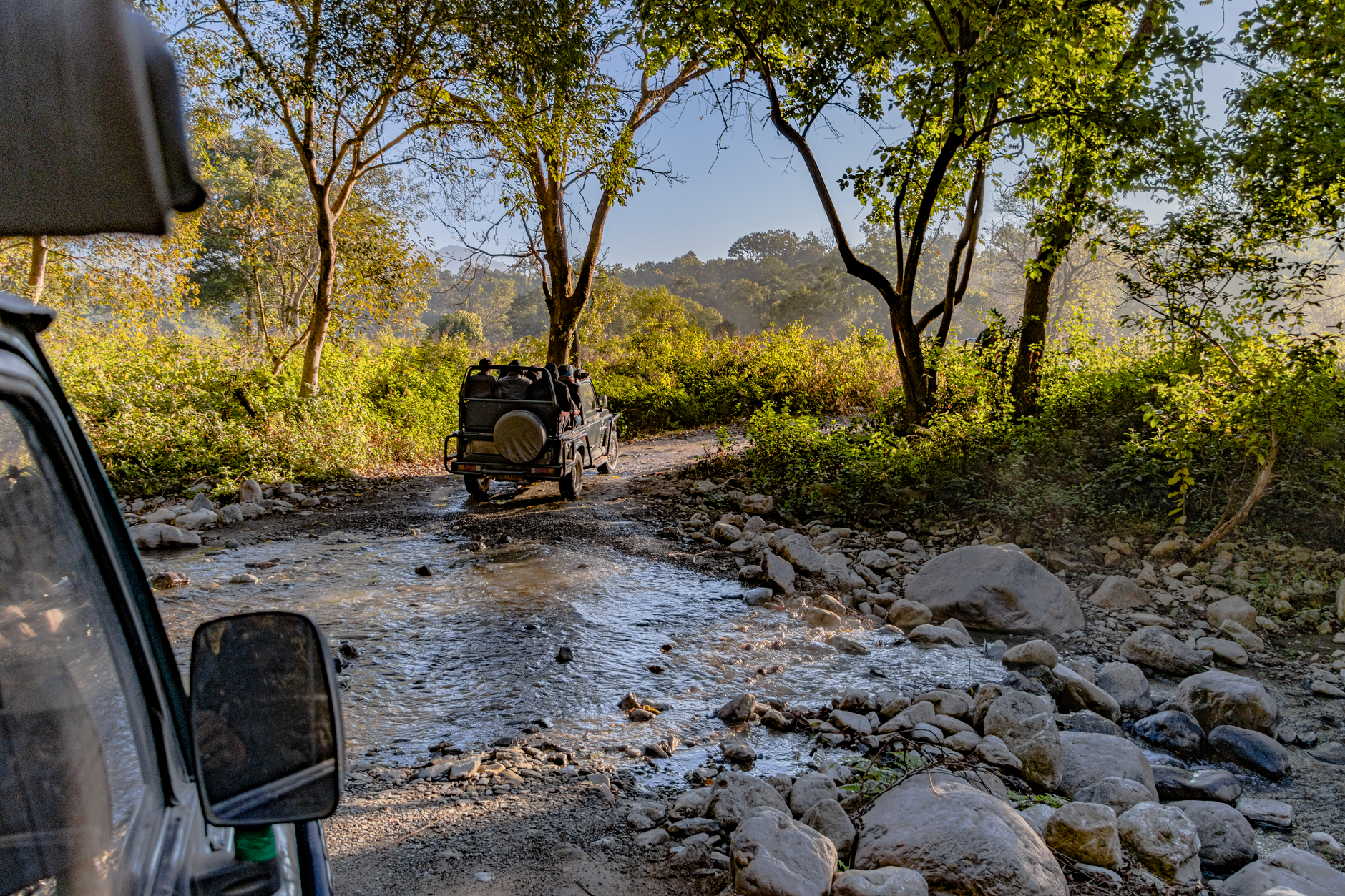
Ultra-high-net-worth travellers have long understood that the most rewarding journeys possess what storytellers call narrative arc—rising action, climax, denouement. A tiger safari luxury holiday followed by coastal restoration mirrors this structure precisely. The safari provides the dramatic tension: will you encounter the tigress known to patrol the Rajbehra Lake shoreline? Will the mahout’s early morning intelligence prove accurate? This sustained anticipation, even within the cocooned luxury of properties like Oberoi Vanyavilas or Taj Safaris’ wilderness camps, keeps you psychologically engaged in ways that pure relaxation cannot.
Then comes the resolution. Not abrupt, but gradual—a private transfer to Jaipur or Nagpur, a two-hour flight, and suddenly you’re on a different clock entirely. No 5:45 AM wake-up calls. No binoculars at breakfast. Just the rhythmic collapse of waves and the knowledge that nothing requires your attention beyond the present moment. This is the India safari beach combination at its most artfully calibrated.
What Makes Tiger Safaris Emotionally Demanding (And Why That Matters)
Even when conducted from the enviable comfort of India’s finest wildlife lodges, tiger safaris ask something of their participants that beach holidays fundamentally do not: active, sustained engagement. You’re not a passive observer. You’re a participant in an ancient drama playing out across territories measured in square kilometres, where a sudden hush among spotted deer might signal the proximity of India’s apex predator, and where your guide’s ability to read paw prints, scat composition, and bird behaviour becomes your portal into an invisible world.
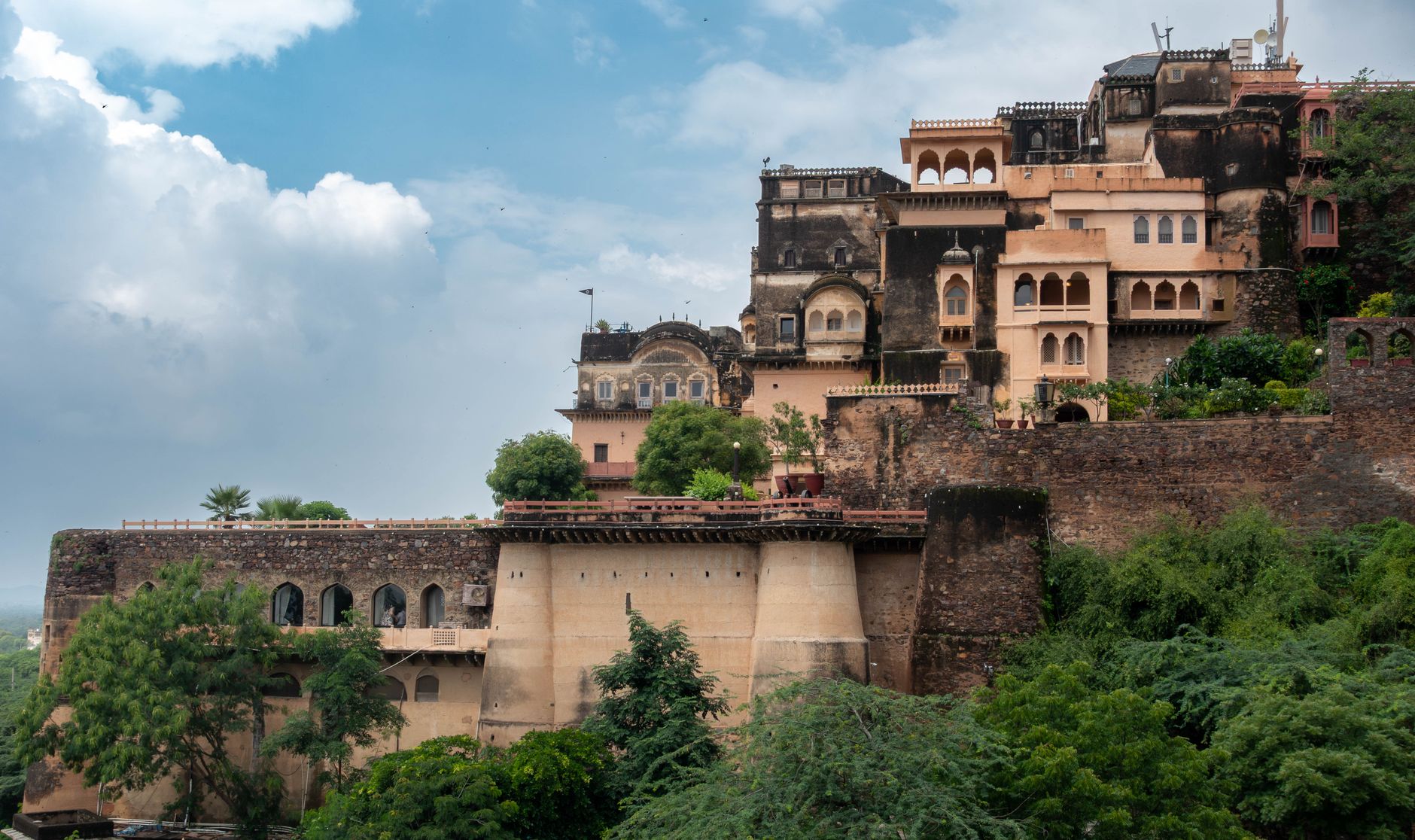
This engagement begins before dawn. At Kanha, your naturalist might collect you at first light, when mist still clings to the meadows and the forest holds its breath. For the next three to four hours, you’re scanning treelines, watching for movement in tall grass, listening for the territorial call of a male tiger that might—just might—be visible at the waterhole ahead. This isn’t stressful in any negative sense, but it is cognitively demanding. Your attention cannot wander. You’re inhabiting the moment with an intensity that luxury travel rarely requires.
Tiger sighting probability peaks between February and April when water sources concentrate wildlife activity, making this the ideal period to begin your wildlife beach itinerary India journey before transitioning to coastal properties.
The emotional architecture of tiger tracking also involves something more vulnerable: hope, and its potential disappointment. Tigers are not trained performers. They’re wild apex predators moving through territories according to their own imperatives. Your expert team at Ranthambore or Pench will maximise every variable within human control—vehicles positioned according to overnight intelligence, routes adjusted based on fresh pugmarks—but ultimately, the tiger appears on her own terms or not at all. When she does materialise, perhaps crossing the forest track fifteen metres from your vehicle, her amber eyes briefly meeting yours before she melts back into dappled shadow, the emotional payoff justifies every early morning. But that intensity of investment, maintained across three or four days, creates a particular kind of exhilaration that the body and mind eventually need to process.
The Beach Escape as the Perfect Counterpoint: Restoration in Paradise
What happens neurologically after sustained periods of heightened attention is that your system craves its opposite. Not immediately—there’s usually a day or so of residual alertness, where you find yourself still scanning horizons habitually—but soon enough, your body begins demanding restoration. This is where India’s coastline, from the sophisticated beach clubs of Morjim in North Goa to the ayurvedic sanctuary of Somatheeram in Kerala, reveals itself as the perfect counterpoint to your tiger safari luxury holiday experience.

At a property like Alila Diwa Goa or Taj Exotica in Benaulim, your days shed all structure. Breakfast arrives when you request it, perhaps taken on your private terrace overlooking manicured lawns that slope toward the Arabian Sea. There are no dawn departures to miss, no optimal wildlife hours to honour. If you choose to spend the entire morning in the spa pavilion receiving synchronized abhyanga massage from therapists trained in Kerala’s traditional techniques, no opportunity is lost. If you prefer to do precisely nothing beyond moving between your villa’s infinity pool and the beach lounger positioned in the shade of swaying palms, that becomes the day’s entire itinerary.
The transition from structured safari schedules to unstructured leisure creates a psychological decompression that makes both experiences more vivid in retrospect—this is luxury travel’s most sophisticated equation.
This complete absence of agenda is the beach portion’s greatest luxury. Many of our clients describe the first full beach day as slightly disorienting—their bodies still calibrated to the safari’s rhythm, their minds expecting scheduled activities. By the second day, though, a different state emerges. Time becomes elastic. Conversations with your partner deepen. Books you’ve carried for months finally get read. The ocean’s repetitive acoustics create a meditative backdrop that allows your nervous system to fully release the low-grade activation that wilderness tracking, for all its magnificence, necessarily maintains.
For those drawn to absolute seclusion, properties in the Andaman Islands or Lakshadweep—accessible via short flights from Kochi—offer the ultimate post-safari sanctuary. Here, marine biodiversity replaces forest fauna, and your engagement with nature becomes gentle rather than alert: snorkelling over coral gardens, watching bioluminescent plankton illuminate night waters, perhaps a private sunset cruise where the only agenda is watching the sky turn impossible shades of orange and violet as you sip chilled Sancerre.
Practical Advantages: Why This Combination Works Logistically
Beyond the psychological symmetry, a tiger safari beach escape succeeds because India’s geography and infrastructure make the pairing remarkably seamless. Most premier tiger reserves occupy Central or Northern India—Ranthambore in Rajasthan, Bandhavgarh and Kanha in Madhya Pradesh, Pench spanning the Madhya Pradesh-Maharashtra border. Each connects efficiently to beach destinations through well-serviced domestic routes.
From Jaipur, following time at Ranthambore, you have direct flights to Goa in under two hours. From Jabalpur or Nagpur, the airports serving Kanha and Pench respectively, Goa is equally accessible. Even Bandhavgarh, reached via Jabalpur, positions you for smooth transitions to Kerala’s coast through Kochi. Our logistics specialists design these transfers to feel effortless: private departures timed to your preference, meet-and-assist services at every touchpoint, and careful attention to flight timing so you’re never facing dawn departures on your final safari morning or late arrivals that sacrifice your first beach evening.
Seasonal alignment further strengthens this pairing. India’s dry season, running roughly October through April, delivers both optimal tiger sighting conditions—when water scarcity concentrates wildlife around remaining sources—and ideal coastal weather. By February and March, when tiger activity peaks and the forest canopy thins to improve visibility, Goa’s beaches enjoy perfect temperatures in the mid-twenties Celsius, Kerala’s humidity drops to comfortable levels, and even the Andamans become accessible between monsoon periods.
The typical structure we recommend allocates three to four nights for the safari component—sufficient for six to eight game drives, which gives you strong odds of meaningful tiger encounters while allowing time to appreciate each reserve’s broader ecological richness—followed by four to five nights at the coast. This creates a 10- to 14-day overall itinerary that feels neither rushed nor extended beyond the point where even paradise beaches begin to feel repetitive. Some clients extend the beach portion to a full week, particularly when incorporating ayurvedic treatments in Kerala that benefit from sustained application, but the four-night minimum allows genuine decompression without overstay.
Curating Your Perfect Tiger Safari Beach Escape: Regional Pairings
The specific pairing of tiger reserve and coastal destination depends partly on logistics, but primarily on the type of experience you’re seeking beyond the foundational elements. Ranthambore, for instance, pairs beautifully with Goa when you want the safari portion enriched by Rajasthani cultural immersion—perhaps a night in Jaipur bookending your wildlife days, with private access to the City Palace or a exclusive dinner at Samode Haveli. Goa then provides sophisticated beach clubs, Portuguese-influenced architecture in heritage properties, and excellent restaurants that suit travellers who appreciate social atmosphere alongside natural beauty.
For those drawn to wellness and traditional therapies, Kanha or Bandhavgarh in Central India followed by Kerala’s coast creates a different narrative. After your wildlife immersion, you might transition to a heritage property like Brunton Boatyard in Fort Kochi for a night, absorbing the city’s layered history, before continuing to a dedicated ayurvedic resort such as Kalari Kovilakom or Niraamaya Retreats Surya Samudra. Here, your beach time becomes actively restorative rather than simply restful—consultations with ayurvedic physicians, customised treatment protocols, cuisine designed around your dosha constitution.
The most exclusive option pairs any of India’s premier tiger reserves with private island experiences in the Andamans or Lakshadweep. This requires additional logistics—the Andamans necessitate permits arranged well in advance, while Lakshadweep’s Bangaram Island accepts limited guests—but delivers absolute seclusion. You trade Goa’s restaurant variety and Kerala’s cultural depth for something rarer: beaches where your footprints might be the only ones visible, waters where you’re more likely to encounter sea turtles than other snorkelers, and the peculiar luxury of tropical remoteness accessible only to those willing to plan appropriately.
Design Your Balanced India Journey with Royal India Holidays
Creating an exceptional tiger safari beach escape requires more than selecting impressive properties and booking connecting flights. It demands understanding how these contrasting experiences should flow into one another, how many game drives constitute immersion without exhaustion, which coastal properties genuinely deliver the restoration their brochures promise, and how to calibrate the entire journey to your specific preferences and rhythms.
At Royal India Holidays, we’ve spent years refining these pairings for discerning clients who recognise that luxury lies not in excess, but in precision. Our specialists know which Ranthambore zones offer the highest tiger density each season, which beaches in Goa have been compromised by development and which remain pristine, and how to arrange your coastal days so that therapeutic treatments, private dining experiences, and unstructured leisure time achieve perfect balance.
We invite you to begin a conversation about your ideal wildlife beach itinerary India. Share with us what draws you to tiger forests, what restoration means to you personally, and what would make this journey not just memorable, but transformative. Our team will craft an itinerary calibrated precisely to those aspirations—because the ultimate luxury is a journey designed around not just where you go, but who you are.