

The difference between a tailor-made holiday and a package tour is not merely a matter of price—it is the distinction between wearing bespoke Savile Row and off-the-rack, between a vintage Château Margaux and house wine. When the journey is India—a country of such staggering complexity and intimate beauty that a lifetime proves insufficient to know it properly—this distinction becomes not a luxury but a necessity. For the discerning traveller whose time represents their most finite resource, the question is not whether bespoke travel India commands a premium, but whether anything less can possibly deliver what such a destination demands and deserves.
India resists superficial acquaintance. Its rewards reveal themselves slowly, in private moments and unexpected encounters that no pre-determined itinerary can anticipate. The UHNW traveller who has experienced the finest that Kyoto, Marrakech, and the Amalfi Coast offer understands intuitively that true luxury lies not in thread counts or champagne brands, but in the irreplaceable currency of authenticity, access, and time spent exactly as one wishes. This is where tailor-made holidays transcend mere travel planning to become something closer to artistry—a complete reimagining of what an India journey might mean when freed from the constraints of group logistics and commercial compromise.
The Anatomy of Tailor-Made Holidays: What ‘Bespoke’ Truly Means in Luxury India Travel
When we speak of bespoke travel India experiences, we describe something fundamentally different from selecting options within predetermined parameters. A true custom India itinerary begins not with destinations but with questions: How do you prefer your mornings to unfold? What textures and colours draw your eye? Do you seek contemplation or stimulation, solitude or carefully curated social encounters? Your travel architect—never merely a booking agent—spends weeks understanding not just what you state explicitly, but what your past travel choices and aesthetic preferences suggest about your unstated desires.

Sophisticated tailor-made holidays for multi-generational families often require separate but complementary itineraries running simultaneously—grandparents experiencing morning heritage walks while grandchildren learn miniature painting with master artists, converging for private palace dinners that satisfy every generation’s definition of meaningful time together.
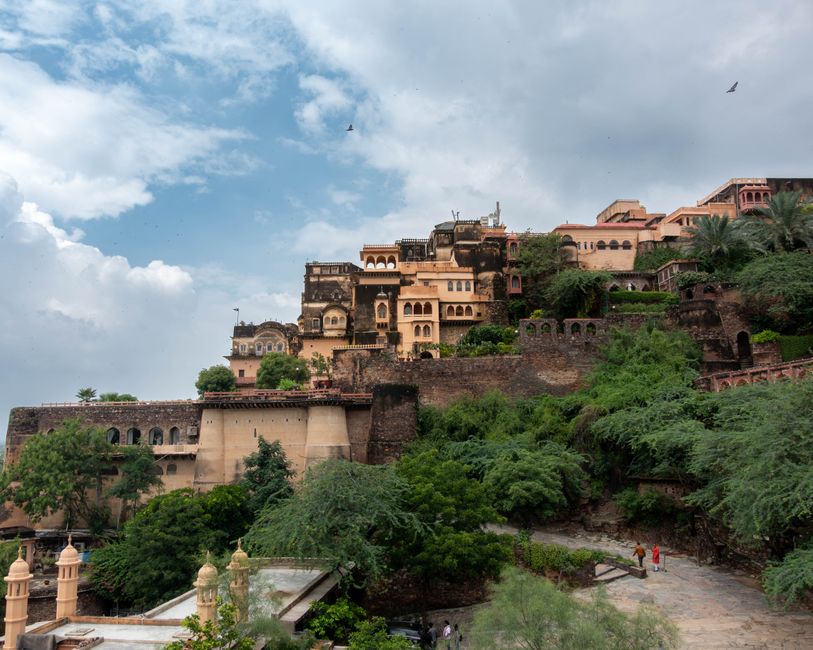
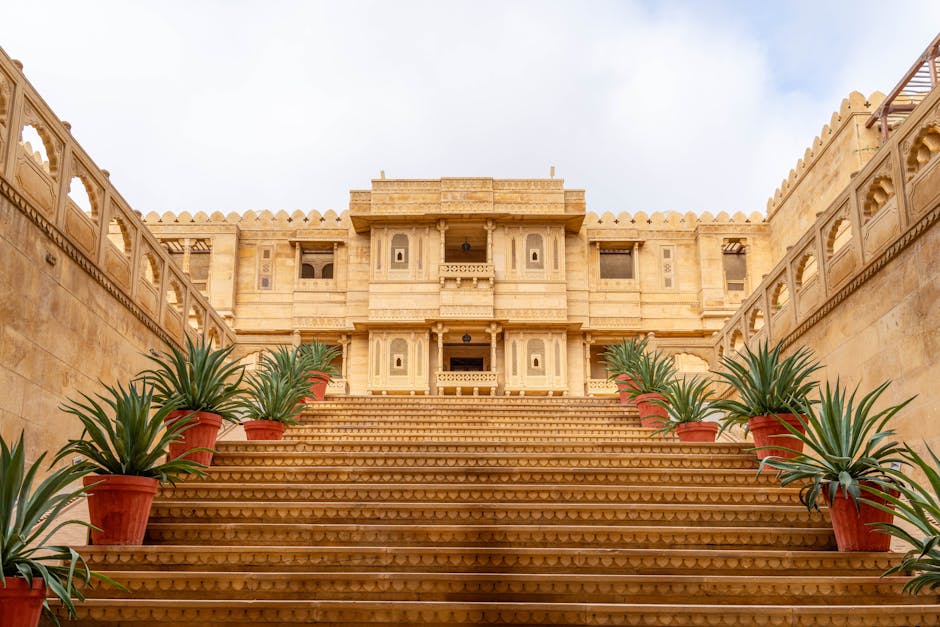
This depth of personalization extends to every conceivable element. Your accommodations might include a restored 17th-century merchant haveli in Jaisalmer where the proprietor—a direct descendant of the original family—shares evening whisky and family chronicles unavailable to casual guests. Your itinerary builds in what package tours cannot: the spaciousness to linger an extra two days in Udaipur because the light on Lake Pichola at dawn has moved you, or to pivot entirely toward the textile villages of Gujarat because a chance conversation with a block-printing master revealed unexpected depths.
Access distinguishes bespoke journeys most dramatically. Through relationships cultivated over decades, your travel opens doors that remain firmly closed to group tours: private viewings of maharaja collections never photographed for publications, cooking demonstrations in home kitchens where recipes remain unwritten, permissions to photograph inside temples where tourism boards deny commercial access. These are not experiences that can be purchased individually—they exist only within the ecosystem of trust that genuine luxury travel specialists maintain with India’s cultural guardians and aristocratic families.
The Package Tour Reality: Understanding the Constraints of Pre-Packaged India Experiences
Package tours operate according to an entirely different logic—the mathematics of volume, efficiency, and risk minimization. The itinerary that appears in glossy brochures has been refined not for maximum cultural immersion but for maximum repeatability: hotels that can accommodate forty guests on short notice, restaurants that serve inoffensive approximations of regional cuisine, monument arrival times calculated to avoid other tour groups from the same company. The result feels less like discovering India than processing through it.
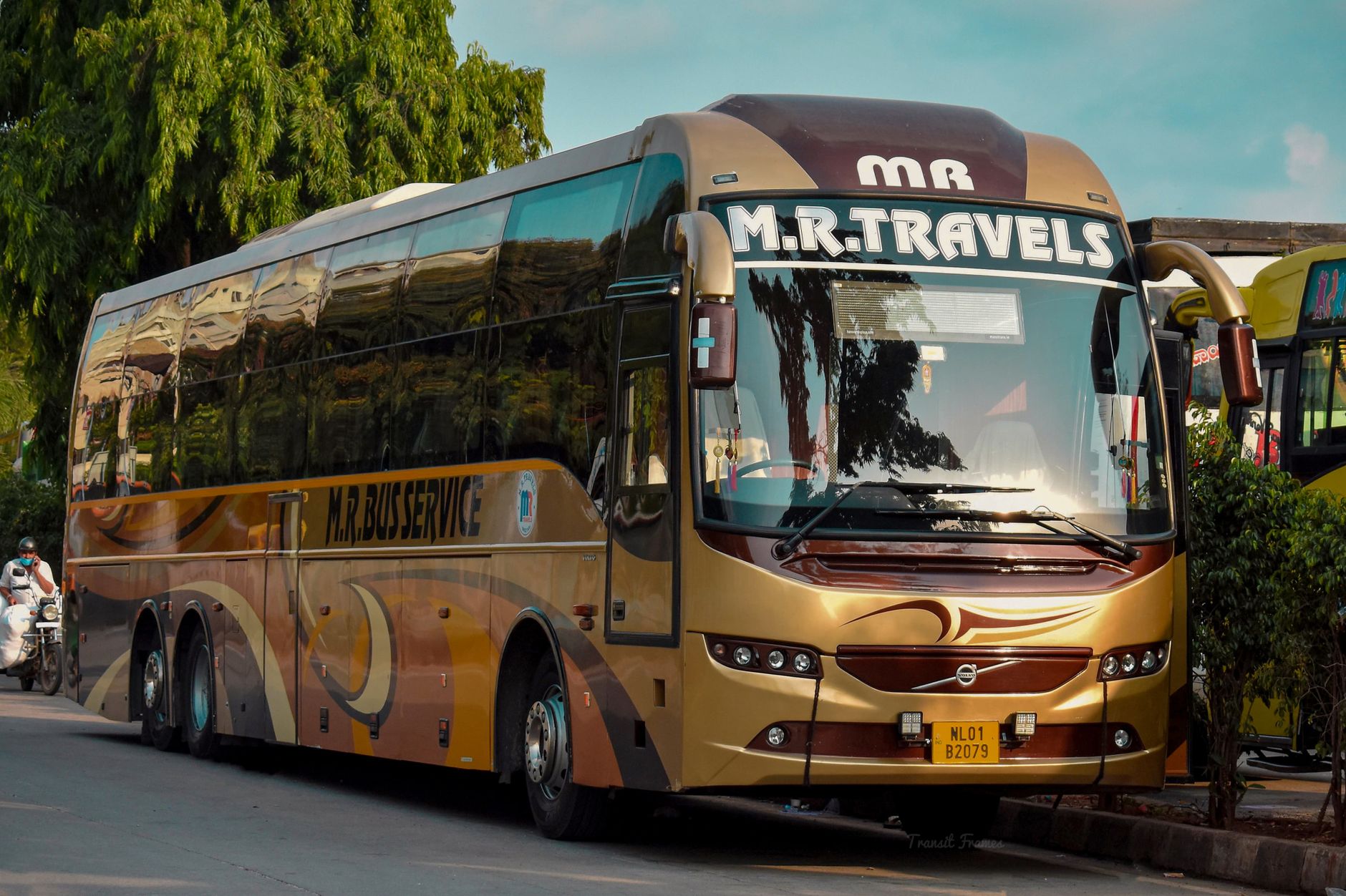
Consider the lived reality. Your morning begins not when you wake naturally, but when group assembly requires—typically 7:30 AM regardless of your internal clock or the previous evening’s late arrival. Breakfast becomes a rushed buffer at a chain hotel, competent but indistinguishable from the equivalent meal in Dubai or Bangkok. The coach departs precisely at 8:45, and if your child needs an extra moment in the bathroom or you wish to capture the morning light on the hotel’s architectural details, the group’s schedule takes precedence over your priorities. This is travel as managed logistics rather than personalized experience.
The cultural engagement that package tours offer operates at frustrating superficiality. You visit Amber Fort—indeed, you must, as it appears on every Rajasthan itinerary—but you arrive at 10:30 AM when three thousand other visitors crowd the same ramparts. Your guide, however knowledgeable, delivers the same practiced monologue he has refined for efficiency rather than your specific interests in Mughal military architecture or Rajput painting traditions. The fort becomes a backdrop for photographs rather than a portal into history, because the schedule allows forty-five minutes before the coach departs for the obligatory stop at a government-approved jewelry emporium where your guide receives commission on purchases.
True luxury lies not in thread counts or champagne brands, but in the irreplaceable currency of authenticity, access, and time spent exactly as one wishes.
Dining on package tours represents perhaps the starkest compromise. Group logistics necessitate restaurants that can serve forty identical meals simultaneously, which effectively eliminates the intimate family-run establishments where regional cuisine exists in its most authentic expression. You experience instead what might be termed “tourist Indian cuisine”—mild, predictable, designed to offend no palate and surprise none either. The thali that reduced you to tears at a modest Tamil home kitchen will never appear on a package tour menu, not because operators lack knowledge of its existence, but because replicating it for groups proves logistically impossible.
The Value Equation: Why Tailor-Made Holidays Justify the Investment for Discerning Travellers
For the UHNW traveller, the investment in bespoke travel represents not indulgence but rational resource allocation. Your time—measured not in days but in the finite collection of experiences that constitute a meaningful life—has quantifiable value. Every morning spent waiting for group assembly, every obligatory stop at venues that hold no personal interest, every meal compromised for logistical convenience represents time irretrievably lost. Tailor-made holidays eliminate this waste entirely.

The experiential return on investment becomes clear in direct comparison. A package tour includes “sunrise at the Taj Mahal”—which means arriving at 6:15 AM with four hundred other tourists, jostling for sight lines, departing after forty minutes for the breakfast buffet. A bespoke journey arranges private access at first light, when you and perhaps three other visitors experience the monument in its intended contemplative silence, with a specialist in Mughal aesthetics who discusses the relationship between architecture and mystical poetry for as long as your interest sustains. This is not a marginal improvement. This is the difference between witnessing something and understanding it.
Consider the cumulative effect across a twelve-day journey. The tailor-made traveller experiences private cooking demonstrations with master chefs whose restaurants hold Michelin recognition, learning techniques and regional variations. They dine privately in palace courtyards with maharaja descendants who share family histories over wine from private cellars. They attend dawn prayers at small temples where the priest’s family has maintained tradition for eighteen generations, welcomed not as tourists but as guests bearing proper introduction. The package tourist experiences buffet meals, large group cultural performances, and heavily trafficked monuments during peak hours. Both travelers have “visited India,” but the depth of understanding and memory creation exists on different planes entirely.
For multi-generational family journeys—increasingly important to UHNW travellers seeking to create legacy experiences—bespoke travel becomes not optional but essential. The complexity of designing days that satisfy teenagers seeking adventure, parents seeking cultural immersion, and grandparents seeking comfort cannot be accommodated within package tour structures. Personalized travel experiences allow what family therapists call “parallel togetherness”—grandchildren learning tabla with accomplished musicians while grandparents tour museum collections with curators, converging for private dinners designed around every generation’s preferences and digestive requirements.
When Package Tours Might Suffice (And When They Absolutely Won’t): An Honest Assessment
Intellectual honesty requires acknowledging that package tours serve certain traveller profiles adequately. The budget-conscious first-time visitor whose primary objective involves photographing major monuments and acquiring basic geographical orientation might find value in structured packages, particularly those focusing on the Golden Triangle circuit. Solo travellers sometimes prefer the instant social framework that group travel provides, though this overlooks how thoughtfully designed private journeys can include introductions to local intellectuals, artists, and collectors who become genuine connections rather than fleeting tour-mate acquaintances.
The premium for tailor-made holidays during India’s peak season (October through March) reflects not arbitrary pricing but the reality of securing the finest guides, most exclusive properties, and private access permissions during periods of maximum demand. Booking twelve to eighteen months in advance provides both cost optimization and first selection of limited-availability experiences.
Yet package tours reveal their fundamental inadequacy when travellers present any complexity of requirement. Special dietary needs beyond vegetarian options—whether medical, religious, or preference-based—cannot be accommodated at the sophisticated level UHNW travellers expect. The lactose-intolerant guest, the celiac-affected family member, the traveller maintaining kosher or halal standards—these require relationships with specific chefs, advance menu planning, and flexibility that group logistics cannot support. Similarly, any meaningful professional objective—a photographer seeking optimal light conditions, a textile collector meeting with heritage weavers, a business executive conducting informal market research—requires itinerary flexibility that pre-packaged structures prevent.
The most profound limitation exists in what cannot be quantified: the impossibility of recreating formative life experiences. Your daughter’s 40th birthday journey to India, your parents’ 50th anniversary celebration, your own sabbatical year seeking deeper cultural understanding—these milestone journeys deserve design that honors their significance. Package tours operate in perpetual present tense, optimized for immediate satisfaction and rapid throughput. Tailor-made holidays operate in the longer arc of memory and meaning, creating experiences that compound in value as years pass and family stories accumulate around them.
The apparent economy of package tours evaporates under scrutiny. The £8,000 spent on a two-week group tour buys accommodation and transportation, but at a hidden cost: the luxury hotels you would never independently choose, the wasted hours at shopping venues, the photographs identical to thousands posted before yours. The investment in bespoke travel—admittedly substantial—purchases something that cannot be replicated regardless of later wealth: authentic cultural exchange, access to private worlds, and time structured around your definition of meaningful experience rather than commercial convenience.
The Royal India Holidays Approach: Designing Your Tailor-Made India Journey
Our consultation process begins not with destinations but with understanding. In initial conversations—unhurried, ranging across your travel history, aesthetic preferences, and what you recall most vividly from past journeys—we develop not an itinerary but a portrait of how you define luxury, adventure, and cultural engagement. Some clients articulate this precisely; others reveal it through seemingly tangential comments about preferring small museums to crowded galleries, or how morning silence matters more than efficiency. Both communication styles inform our design equally.
We commit to authenticity over theatrical performance. Rather than elaborate cultural shows staged for tourism, we arrange encounters with India’s working artists, scholars, and families whose lives embody cultural continuity. You might spend an afternoon with a miniature painting master in his Jaipur studio, not watching demonstration but discussing how digital culture affects traditional patronage—conversations that evolve organically rather than following script. You might join a Mumbai family for their daughter’s bharatanatyam arangetram debut performance, understanding the years of discipline this represents, welcomed not as tourist but as honored guest bearing proper appreciation.
The question of investment deserves transparent discussion. Bespoke India travel at the level we practice requires substantial commitment—typically £20,000 to £25,000 for twelve-day journeys, scaling with group size and experience complexity. This investment reflects not arbitrary pricing but the genuine costs of securing India’s finest guides, most exclusive properties, private access permissions, and the planning architecture that transforms separate experiences into coherent narrative. We discuss candidly where your resources create maximum impact: whether investing in private museum curator tours or extended time in fewer locations delivers greater value for your particular priorities.
Your tailor-made India journey begins with conversation. We invite you to speak with a Royal India Holidays specialist—without obligation, without pressure, simply to explore what becomes possible when travel is designed around your singular vision rather than commercial compromise. These consultations often surprise clients with possibilities they hadn’t imagined: destinations beyond standard circuits, cultural exchanges deeper than anticipated, experiences that transform understanding rather than merely expanding geography. India rewards such ambition. The question is whether your journey will be designed to receive those rewards.