


While Africa dominates the luxury safari conversation, India’s finest wildlife lodges offer something even the most seasoned travellers rarely experience: the intoxicating combination of apex predator encounters, thousand-year-old palace architecture, and service refined over centuries of royal hospitality. Here, the thrill of tracking a Bengal tiger through sal forests merges seamlessly with evenings spent in Mughal-era courtyards, where butlers serve single-estate Darjeeling and chefs prepare game birds according to recipes guarded by royal kitchens for generations. These luxury safari lodges India offers represent not merely accommodation near national parks, but immersive sanctuaries where wildlife observation becomes inseparable from cultural discovery, architectural wonder, and the kind of discretion that ultra-high-net-worth travellers have come to expect from properties charging £3,000 to £5,000 per night.
Why India’s Luxury Safari Lodges Surpass Expectations
The conversation around exclusive wildlife resorts India has fundamentally shifted in recent years, as properties have evolved far beyond the serviceable jungle lodges that once defined the category. What distinguishes India’s premier safari accommodations is their uncommon fusion of authenticity and sophistication—many occupy converted hunting lodges and royal estates with genuine historical provenance, their libraries still housing century-old shikar diaries and taxidermy commissioned by maharajas. Unlike the seasonal tented camps that characterize African luxury safari circuits, India’s finest properties offer year-round comfort with climate-controlled suites, heated pools, and spa pavilions that function flawlessly even during the scorching May heat when tiger sightings reach their apex.
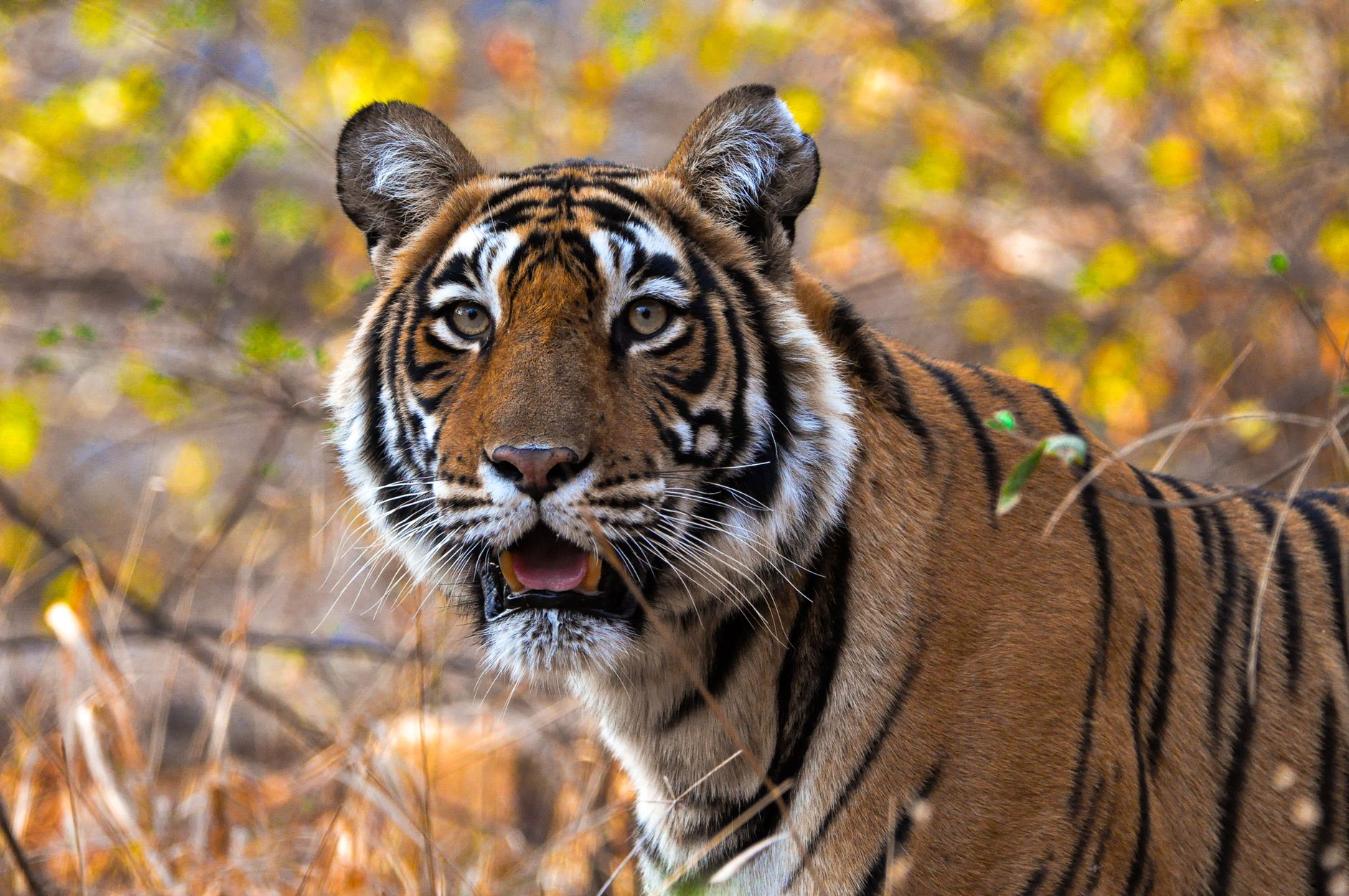
The wildlife encounters themselves carry a different tempo. Ranthambore’s Zone 3 or Bandhavgarh’s Tala zone rarely see more than five vehicles during a morning drive—a stark contrast to the Maasai Mara’s cheetah sightings, where twenty safari vehicles might converge on a single kill. This scarcity of human presence creates opportunities for extended, uninterrupted observations: a tigress teaching cubs to hunt at a waterhole, a sloth bear family foraging for termites at dawn, a leopard dragging a chital carcass into the crook of a banyan tree. The private naturalists assigned to suites at properties like Aman-i-Khás or SUJÁN Sher Bagh possess doctorates in wildlife biology and decades of field experience, offering interpretation that transforms sightings into genuine education.
Book May and early June for the most dramatic tiger encounters. As water sources dwindle and undergrowth recedes, big cats congregate at remaining waterholes during midday—a phenomenon African safaris cannot replicate. Temperatures exceed 45°C, but luxury lodges compensate with sunrise drives, air-conditioned vehicles, and afternoon spa programmes.
Perhaps most compellingly, these lodges integrate cultural dimensions impossible in pure wilderness settings. Between game drives, guests might visit local Gond tribal villages to observe Baiga artists creating rice-paste murals, tour organic farms supplying lodge kitchens, or attend private viewings of fort palaces normally closed to tourists. The experience becomes holistic rather than singular—not just wildlife observation, but immersion in landscapes where human and animal territories have overlapped for millennia, creating unique conservation challenges and storytelling opportunities.
Ranthambore: Royal Rajasthan Safari Luxury
Ranthambore’s mystique stems partly from its improbable setting—a tiger reserve wrapped around a thousand-year-old fort, where game drives frequently pause at lakeside chattris and crumbling pavilions where Rajput queens once picnicked. The park’s fifty-five tigers move through terrain as photographically spectacular as it is historically layered. Aman-i-Khás, positioned just outside the park boundary, epitomizes premium tiger safari accommodation with its ten Mughal-inspired tented pavilions, each commanding 1,200 square feet and featuring soaking tubs overlooking private courtyards, temperature-controlled interiors that feel like permanent suites rather than temporary camps, and butler service that anticipates needs with almost uncanny precision. Evening spa rituals incorporate wild honey harvested from park buffer zones and sandalwood oil pressed at nearby villages—treatments designed to mirror the rhythms of the landscape itself.
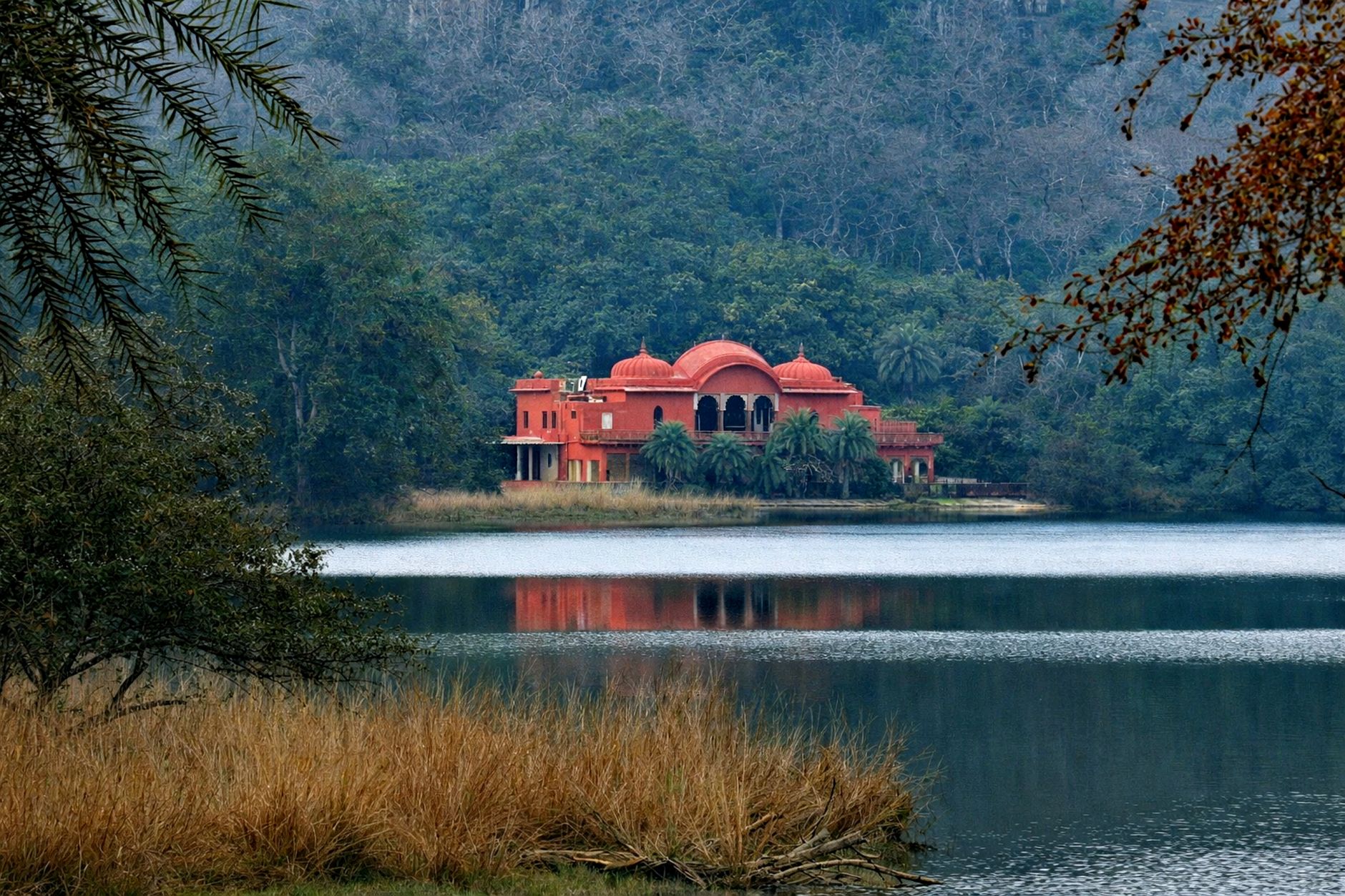
Oberoi Vanyavilas brings a different sensibility—twenty-five luxury tents arranged around a central pool pavilion, each with canvas walls concealing marble bathrooms and four-poster beds dressed in hand-embroidered linens. The property excels at curated tiger-tracking experiences: naturalists review sighting reports each dawn and deploy vehicles strategically, often achieving four to five tiger encounters across a three-night stay. Post-drive breakfasts unfold on private decks, with chefs preparing regional Rajasthani specialties—ker sangri, laal maas prepared with wild boar, saffron-infused desserts—that reflect the desert kingdom’s culinary heritage.
India’s finest safari lodges don’t simply offer wildlife viewing—they immerse guests in territories where conservation, culture, and architectural heritage interweave so thoroughly that each game drive becomes a lesson in coexistence spanning centuries.
For those seeking even deeper intimacy, SUJÁN Sher Bagh limits capacity to twelve tents on a private estate bordering the park. Here, the experience tilts toward contemplative luxury: morning astrology sessions interpreting Vedic birth charts, private tutorials with wildlife photographers who’ve documented Ranthambore’s tigers for decades, and access to the SUJÁN family’s heritage properties including the eighteenth-century Sher Garh fort. The lodge operates with a guest-to-staff ratio approaching 1:4, ensuring that preferences documented during booking—preferred wine varietals, dietary requirements, even specific naturalist expertise—manifest seamlessly throughout each stay.
Bandhavgarh & Kanha: Central India’s Tiger Heartland Retreats
Central India’s tiger corridor, stretching across Madhya Pradesh and eastern Maharashtra, hosts the subcontinent’s highest density of apex predators alongside landscapes of startling diversity—from Bandhavgarh’s rocky outcrops and ancient sal forests to Kanha’s sweeping grasslands where barasingha deer graze in herds hundreds strong. Samode Safari Lodge, positioned outside Bandhavgarh’s park gates, exemplifies luxury jungle lodges that prioritize exclusivity over scale. With just nine suites, the property functions almost like a private estate, its architecture inspired by colonial-era hunting lodges but executed with contemporary environmental sensitivity—stone walls quarried from the property, bamboo roofing that provides natural insulation, courtyards designed to capture cross-breezes that eliminate air conditioning needs during cooler months.
The dining programme reflects genuine forest-to-table philosophy: vegetables from organic gardens irrigated by greywater systems, river fish sourced from sustainable fisheries in the Narmada basin, and wild mushrooms foraged during monsoon months when the lodge operates special “green season” programming for botanically-minded guests. Each suite receives a dedicated naturalist who conducts private briefings before drives, reviewing recent sighting maps and tailoring routes based on guest interests—whether photographing specific bird species, tracking particular tiger families, or understanding forest succession patterns.
Kanha’s luxury lodges bring different strengths. Taj Banjaar Tola occupies a stunning riverbank location where eighteen luxury tents overlook the Banjaar River, their positioning designed to capture the golden light that illuminates meadows during dawn and dusk game drives. The experience here incorporates water-based exploration—mokoro-style boat safaris during winter months when the river runs clear, offering perspectives on birdlife and riparian ecology impossible from vehicle-bound drives. Evening conservation lectures hosted by the property’s resident ecologist cover topics ranging from human-wildlife conflict mitigation to Project Tiger’s evolution over five decades.
Singinawa Jungle Lodge represents architect-designed luxury, its twelve villas conceived by conservation architect Chitra Vishwanath to minimize environmental footprint while maximizing comfort and wildlife viewing opportunities. Floor-to-ceiling windows frame meadows where spotted deer graze within meters of breakfast tables, while infinity pools seem to merge with the forest canopy. The lodge’s cultural programming includes overnight stays with Baiga tribal families in buffer zone villages—intimate encounters that provide context for the complex relationship between indigenous communities and protected wildlife territories.
Beyond Tigers: Exclusive Lodges for Rare Wildlife & Landscapes
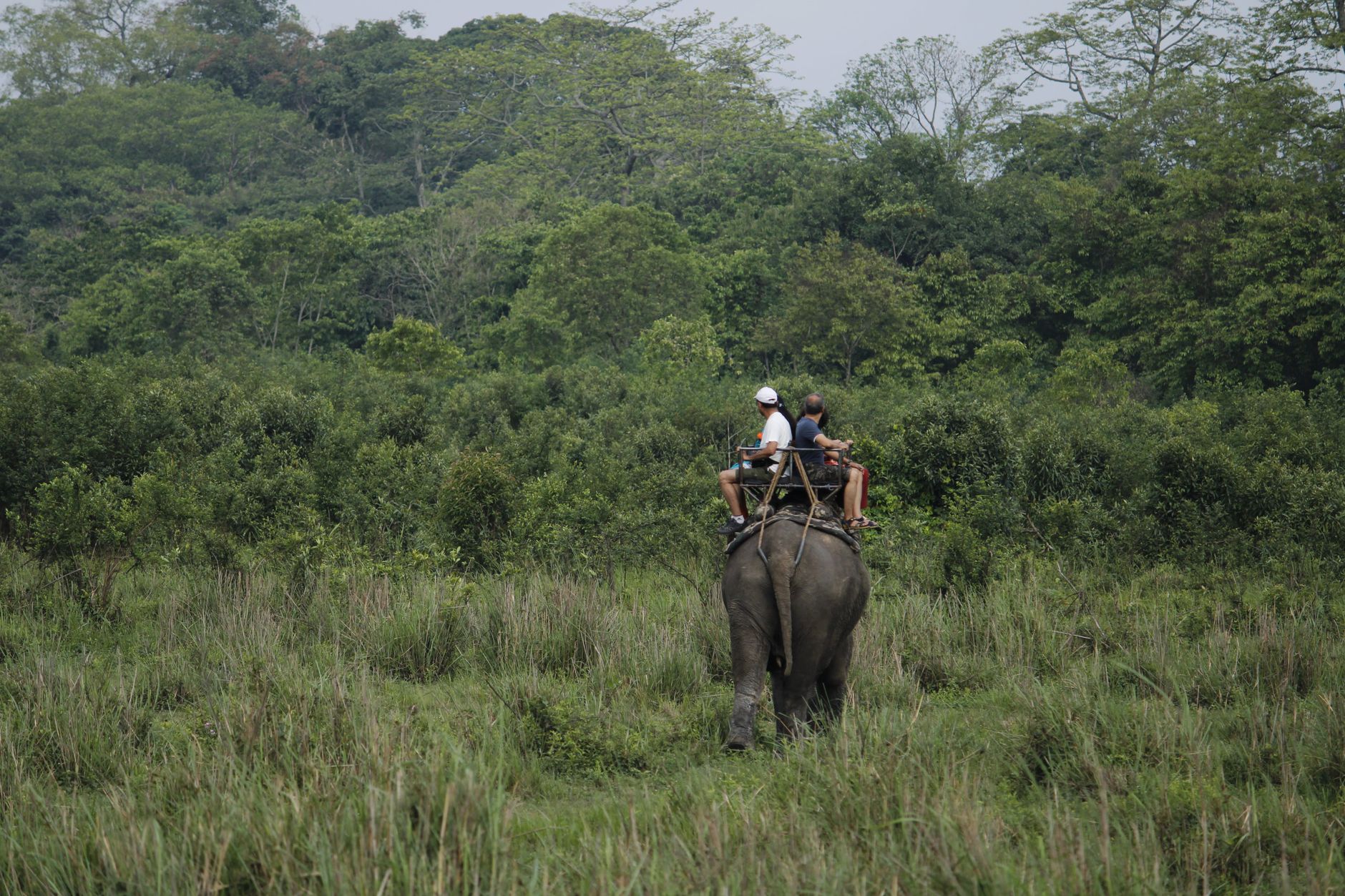
India’s wildlife narrative extends far beyond tiger tourism, and the country’s most sophisticated lodges increasingly cater to naturalists seeking encounters with species found nowhere else on earth. Diphlu River Lodge in Kaziranga—a UNESCO World Heritage site protecting two-thirds of the world’s remaining one-horned rhinoceros population—offers a completely different safari paradigm. The property’s ten cottages, built on stilts to navigate Assam’s annual floods, overlook grasslands where rhino, wild water buffalo, and swamp deer congregate in concentrations that recall Africa’s Serengeti. Elephant-back safaris here aren’t tourist gimmicks but genuine wildlife-viewing platforms, allowing close approaches to rhino and Bengal florican that vehicle-based drives cannot achieve. Post-safari experiences incorporate Assam’s tea heritage: private tastings at single-estate organic gardens, tutorials on orthodox tea processing, and meals incorporating tea leaves in marinades and chutneys.
Jamtara Wilderness Camp in Pench achieves intimacy through radical simplicity—ten stone cottages scattered across forested hillsides, designed by hotelier Camilla Panjabi with deliberate restraint that foregrounds landscape over architecture. The property pioneered walking safaris in central India, offering guided treks through buffer zones where guests track wildlife on foot accompanied by armed forest guards. Evening star-bed experiences position guests on elevated platforms under mosquito netting, falling asleep to the calls of jungle owls and waking to langur alarm calls signaling a leopard’s dawn hunt.
For guests seeking wilderness experiences beyond traditional game drives, The Pugmark in Satpura delivers unique programming permitted only in this park’s special buffer zones. Houseboat safaris drift down the Denwa River for two-day journeys combining wildlife observation with complete disconnection—no internet, no vehicular access, just river currents carrying guests past basking crocodiles, fishing eagles, and occasionally swimming tigers crossing between forested banks. The lodge also offers canoeing expeditions and multi-day walking safaris that reveal wildlife through tracking skills and forensic observation rather than guaranteed sightings—bespoke safari experiences India designed for seasoned naturalists rather than first-time safari-goers.
CGH Earth’s Evolve Back Kabini occupies a privileged location facing a vast reservoir where Kerala, Karnataka, and Tamil Nadu converge. The property’s luxury pool villas—each with private plunge pools and floor-to-ceiling windows—overlook waters that serve as year-round magnets for Karnataka’s exceptional elephant population, leopards that hunt the shoreline at dusk, and one of India’s few remaining packs of endangered wild dogs. The culinary programme rivals any luxury property globally, with executive chefs trained at Europe’s finest establishments creating seven-course tasting menus that incorporate Kodava tribal ingredients: bamboo shoot curries, wild forest honey, estate-grown pepper and cardamom.
What Defines True Luxury Safari Lodge Excellence in India
Exceptional safari properties share quantifiable characteristics that separate them from merely upscale accommodations. Guest-to-staff ratios of 1:3 or higher enable genuinely personalized service—butlers who remember that you prefer Earl Grey over English Breakfast, naturalists who recall your interest in tracking specific tiger families across visits separated by years, chefs who note allergies and preferences during booking and execute customized menus throughout your stay. Architectural integrity matters profoundly: properties built from locally-quarried stone and reclaimed timber, designed to natural ventilation principles that reduce energy consumption, positioned to minimize wildlife disturbance while maximizing viewing opportunities.
Exclusivity metrics provide objective measures of privacy and experience quality. Properties limiting capacity to fifteen accommodations or fewer, guaranteeing private safari vehicles rather than shared jeeps, and offering flexible drive timings that accommodate photographers seeking perfect light or naturalists tracking specific animal behavior patterns. Wine cellars curated specifically for tropical climates, stocked with temperature-stable vintages and offering pairings designed for regional cuisine rather than generic international menus. Bush dining that extends beyond novelty—private lakeside dinners where chefs prepare multi-course meals over open flames, serving wild boar raan and venison cutlets while forest sounds provide the evening’s soundtrack.
Perhaps most critically, conservation credentials that demonstrate genuine commitment beyond marketing language. Lodges that dedicate significant revenue percentages to anti-poaching patrols, community development initiatives that provide alternative livelihoods reducing human-wildlife conflict, and habitat restoration projects expanding wildlife corridors. Properties like SUJÁN and Samode maintain full-time conservation staff, publish annual impact reports, and facilitate guest participation in monitoring activities—camera trap placement, pugmark documentation, bird ringing exercises—that transform passive observers into active conservation participants.
Crafting Your Bespoke Multi-Lodge Safari Circuit
India’s geography and wildlife distribution favor multi-lodge itineraries that showcase ecosystem diversity while maintaining comfort and logistical efficiency. Ideal circuits span ten to fourteen days, combining three properties across different regions: perhaps Ranthambore’s desert landscapes and fort ruins, followed by Bandhavgarh’s high-density tiger territory, concluding with Kaziranga’s rhino and elephant populations in Assam’s distinctive wetland habitat. Private charter flights between properties—using carriers like Heritage Aviation and JetSetGo—eliminate the exhaustion of commercial connections and road transfers, converting travel days into brief, scenic flights that preserve energy for dawn and dusk game drives.
Seasonal optimization transforms good itineraries into exceptional ones. November through April delivers peak tiger visibility as vegetation recedes and temperatures moderate, but May and early June offer the most intense encounters despite the heat. Monsoon months from July through September present opportunities rarely promoted: lush landscapes transformed by torrential rains, dramatic cloud formations, spectacular bird migrations, and rates discounted thirty to forty percent at properties that remain open. Combining safari with cultural immersion creates holistic India experiences: a week split between Ranthambore luxury and Jaipur palace hotels, Kerala’s backwater houseboats following Kabini’s wildlife encounters, or Himalayan wellness retreats in Bhutan after central India tiger circuits.
Royal India Holidays maintains exclusive partnerships with every property discussed here, securing benefits unavailable to direct bookers: complimentary suite upgrades when available, private vehicle guarantees even during peak season, flexible cancellation terms, and behind-the-scenes conservation experiences including meetings with park directors and field biologists. Our safari specialists have personally evaluated each lodge across multiple seasons, documented naturalist expertise, assessed culinary capabilities, and verified conservation claims. We design itineraries that balance wildlife priorities with logistical realities, coordinate private charters, arrange preferred suite assignments, and provide 24-hour in-country support throughout your journey.
India’s luxury safari lodges reward the kind of thoughtful, unhurried exploration that defines sophisticated travel. These are not properties to rush through during abbreviated itineraries, but destinations deserving three to four nights minimum—time enough to track individual tigers across territories, observe behavioral patterns, and experience the landscape’s daily rhythms from pre-dawn mist to star-filled nights alive with jungle sounds. If you’re contemplating a safari that rivals or exceeds anything Africa offers, while incorporating cultural depth and architectural distinction unique to the subcontinent, we invite you to speak with our specialists. Let us craft an itinerary reflecting your specific interests, preferred travel pace, and the level of exclusivity you expect from travel at this level.