

India doesn’t reward the generic itinerary—it reveals itself only to those who approach it with intention, curiosity, and the patience to craft something truly extraordinary. A bespoke India holiday is not simply a matter of selecting destinations from a map; it is an exercise in curatorial discernment, matching the subcontinent’s astonishing diversity to your particular sensibilities, rhythms, and aspirations. The difference between a standard tour and a truly personalised journey is the difference between viewing the Taj Mahal from a crowded platform at dawn and experiencing it in near-solitude as your private guide recounts the love letters Shah Jahan wrote to Mumtaz Mahal, the marble still cool beneath your fingertips.
What follows is not a formulaic checklist but rather a framework for thinking—seven considered steps that transform vague wanderlust into a coherent, deeply personal exploration of one of the world’s most layered civilisations. This is luxury India travel planning as it should be: thoughtful, unhurried, and utterly individual.
Step 1: Define Your India—Identifying Your Personal Travel Vision
The first question is never where but why. India contains multitudes—twenty-eight states, eight union territories, twenty-two official languages, and cultural traditions spanning five millennia. To attempt everything is to experience nothing fully. Begin instead by examining what genuinely moves you. Are you drawn to the geometric precision of Mughal gardens, the faded grandeur of crumbling havelis, or the living spirituality of temple rituals at dawn? Does your ideal day involve tracking a tigress through sal forest with a naturalist, learning regional textile dyeing techniques from a National Award-winning artisan, or simply reading beneath a banyan tree as peacocks call across a palace lawn?

Your travel style matters as much as your interests. Some travellers thrive on daily movement and discovery; others prefer to settle into a single exceptional property for three nights, allowing time for afternoon siestas, spa treatments, and unhurried conversation. Consider your tolerance for early starts, your appetite for cultural immersion versus restorative privacy, and whether you seek architectural splendour or wilderness solitude. If travelling with family, acknowledge the different paces—teenagers energised by street food tours and vintage motorcycle rides, older relatives who may prefer private museum viewings and climate-controlled comfort, young children who need garden space and flexible scheduling.
First-time visitors often benefit from a carefully curated regional focus rather than attempting north-south comprehensiveness. A deep exploration of Rajasthan’s fort palaces and desert camps, or Kerala’s backwaters and Ayurvedic retreats, creates more meaningful memories than a breathless multi-city sprint.
Your India narrative shapes everything that follows. A first visit might embrace iconic anchors—the Taj, Jaipur’s palaces, Varanasi’s ghats—but always through privileged access and expert interpretation that transcends the standard experience. A return journey allows thematic depth: textiles across Gujarat and Rajasthan, spiritual exploration from Rishikesh to Bodh Gaya, or culinary immersion through regional cooking masterclasses and spice plantation visits. Solo travellers have the luxury of complete spontaneity; couples can design romantic rhythms; friendship groups can build shared adventures around collective passions.
Step 2: Establish Your Timeline and Seasonality Strategy
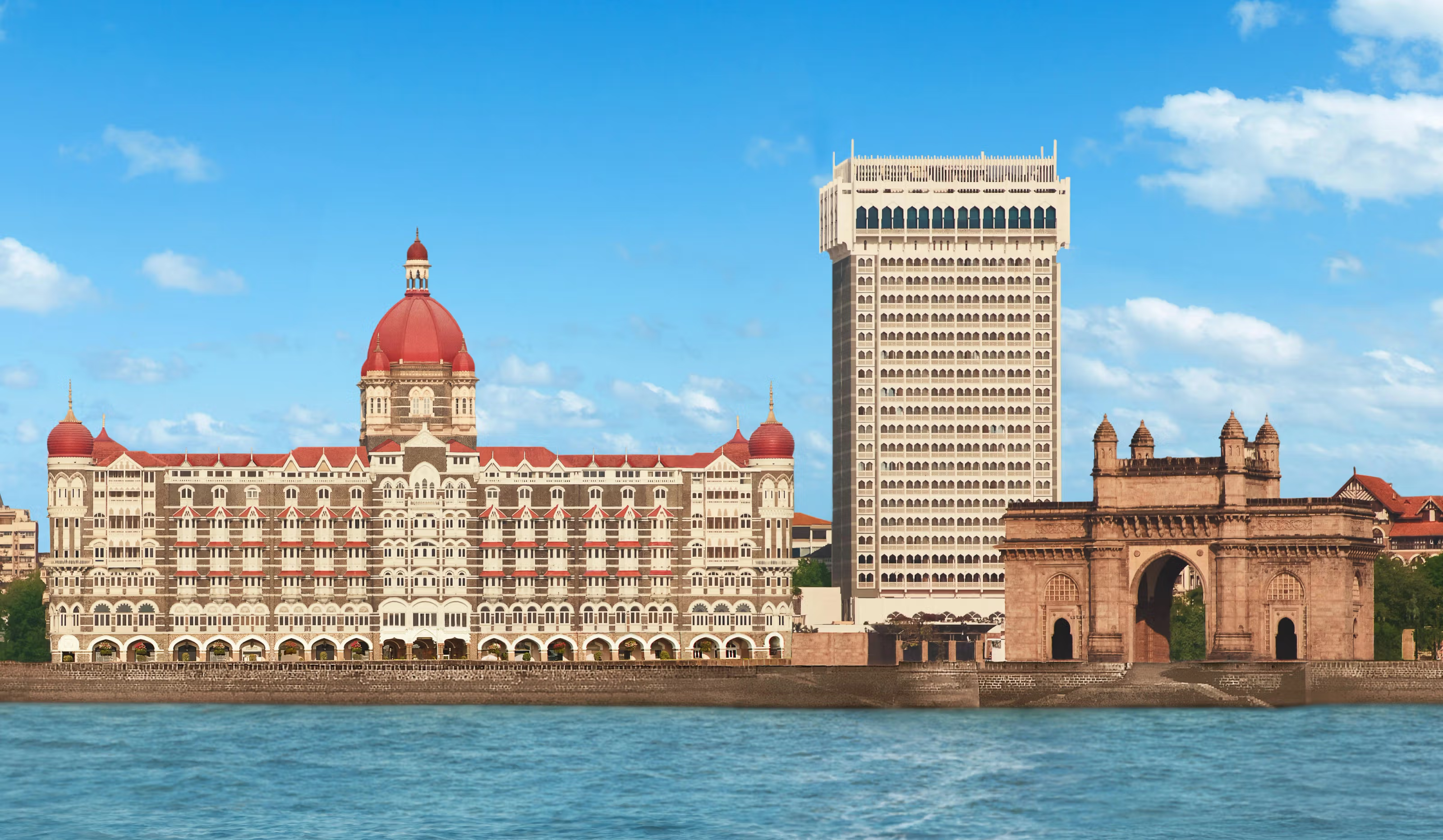
Superior custom India itinerary planning requires temporal intelligence on two fronts: when to travel, and when to begin planning. The finest heritage properties—Taj Lake Palace, Umaid Bhawan, the best suites at Oberoi Rajvilas—are reserved nine to twelve months ahead during peak season. Private experiences with meaningful cultural depth, whether a closed-door tour of Jaipur’s City Palace archives or dinner with a maharaja in his family quarters, require advance coordination and relationship-building that cannot be rushed.
India’s climate diversity means there is always somewhere in ideal condition, but strategic season selection elevates a tailored India journey from pleasant to transcendent. October through March brings clear skies and temperate days to Rajasthan, ideal for fort explorations and desert camps beneath star-scattered skies. Kerala’s backwaters shimmer from December through February, when humidity recedes and afternoon light turns golden across the paddy fields. For Ladakh’s moonscapes and mountain monasteries, July and August offer brief alpine summers. The Northeast—Assam’s tea estates, Meghalaya’s living root bridges—reveals itself most generously from October through April, after monsoons have passed but before pre-monsoon heat arrives.
The finest India experiences are not discovered but orchestrated—designed around your rhythms, curiosities, and the seasons when each region offers its most compelling self.
Festival integration adds cultural richness but demands advance planning. Diwali’s oil lamps flickering across palace courtyards, Holi’s colour explosions in Rajasthan’s walled towns, Pushkar’s Camel Fair with privileged access to trader camps—these require early booking and expert choreography to experience authentically rather than as overwhelmed tourist. Duration matters profoundly. Anything under ten days feels rushed; fourteen to twenty-one days allows proper regional depth, unhurried appreciation, and the recovery time necessary when crossing climatic and cultural zones. A fortnight in Rajasthan alone, moving between palace hotels and wilderness lodges, creates more lasting impressions than three weeks attempting to cover eight states.
Step 3: Curate Your Route—The Art of Regional Selection
Geography in India is not merely logistical; it is narrative. The Golden Triangle—Delhi, Agra, Jaipur—remains foundational, but only when reimagined beyond the standard circuit. Stay at The Imperial in Delhi and arrange after-hours access to Humayun’s Tomb with a conservation architect who can decode the Mughal geometric principles. In Agra, private sunrise viewing of the Taj from Mehtab Bagh across the Yamuna River, followed by breakfast at the Oberoi Amarvilas with unobstructed monument views. Jaipur becomes revelatory when you’re dining with descendants of the royal family at Samode Palace, discussing miniature painting techniques with artists who still use natural pigments ground by hand.
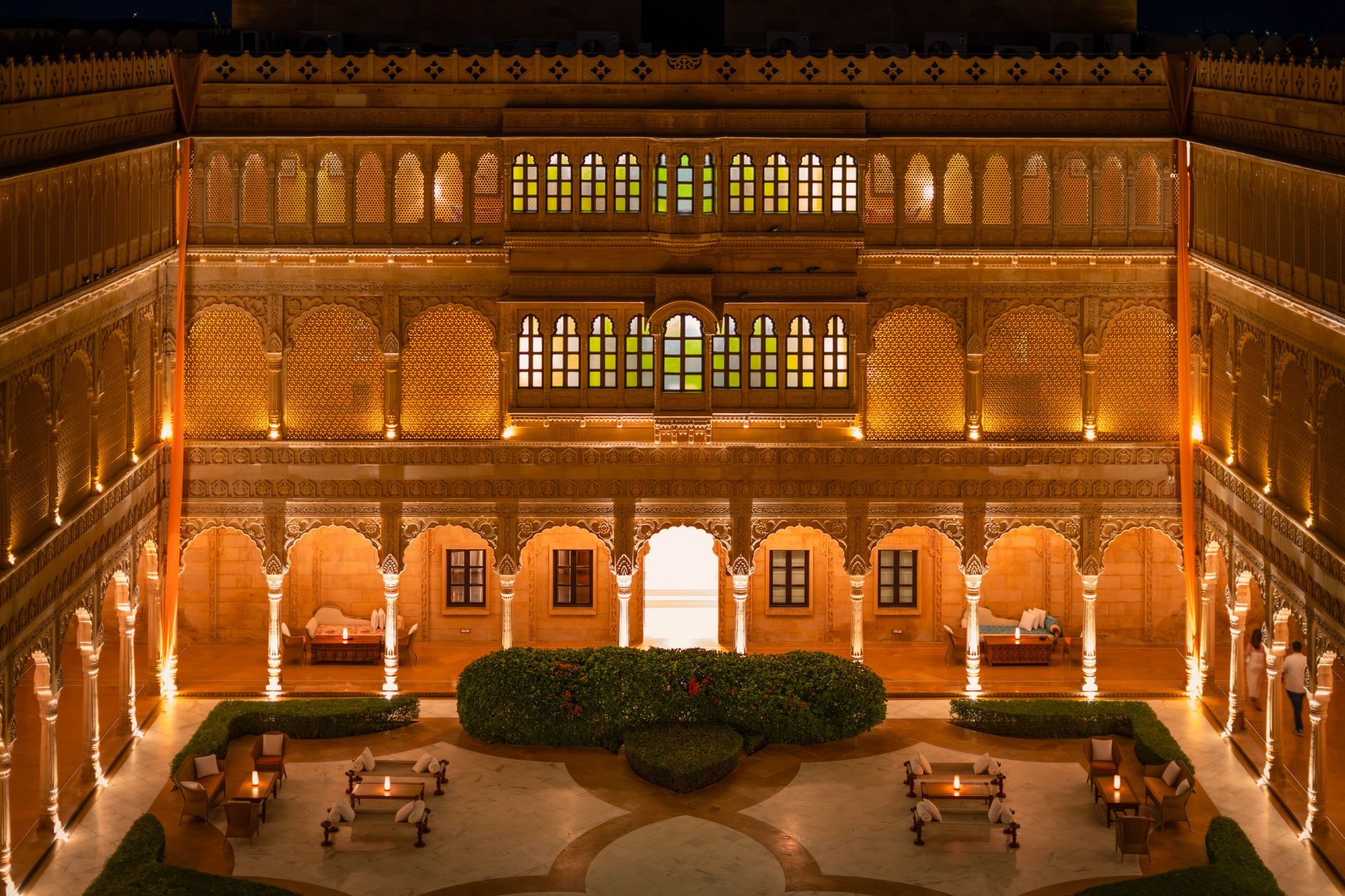
Single-region depth often surpasses multi-region breadth for travellers seeking genuine understanding. A Kerala journey might thread together Fort Kochi’s colonial spice trade history, backwater houseboat journeys aboard meticulously restored kettuvallam with private chef and crew, Ayurvedic consultation and treatment at Kalari Kovilakom, and wildlife viewing at Periyar. Rajasthan invites fort-to-fort progression—Mehrangarh’s blue city vistas, Jaisalmer’s sandstone filigree, Udaipur’s lake palaces—each stop revealing different facets of Rajput culture, textiles, cuisine, and architectural ambition.
For travellers seeking the less-traversed, consider Chettinad’s mansion architecture and legendary cuisine in Tamil Nadu, Coorg’s coffee estates and mist-wrapped hills in Karnataka, or Orchha’s forgotten riverside temples in Madhya Pradesh. Gujarat offers extraordinary tribal textile traditions and the white desert of the Rann of Kutch. These regions provide cultural richness without crowds, often at more accessible price points than the established luxury corridor. Strategic routing respects human limitations—no one emerges refreshed from five flights in seven days. Private trains like the Maharajas’ Express solve this elegantly, transforming overnight transit into part of the experience itself, or consider helicopter transfers between Rajasthan’s fort cities, trading ground hours for aerial perspectives of desert and escarpment.
Step 4: Design Your Experiences—Moving Beyond Sightseeing to Transformation
The hallmark of bespoke travel is private access to experiences that simply do not exist in the conventional tourism landscape. This might mean after-hours viewing at the Taj Mahal when the monument belongs to a handful of people rather than thousands, or a private dawn ceremony at Varanasi’s ghats led by a Sanskrit scholar who can translate the ancient hymns. Palace tours become conversations with hereditary custodians who share family archives, personal photographs, and stories that will never appear in guidebooks.
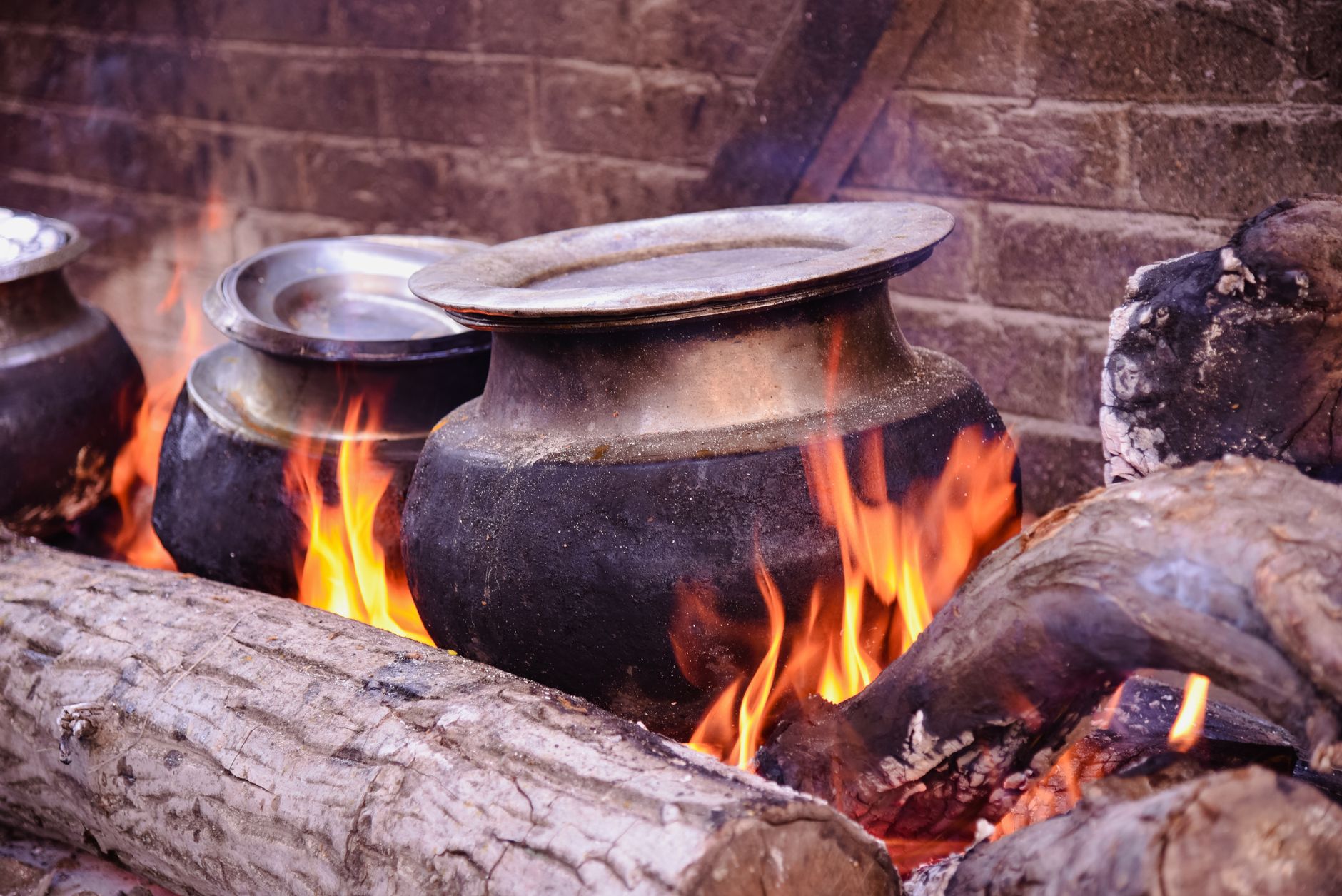
Immersive cultural exchanges transform observers into participants. Spend a morning with a textile master in Jaipur who holds a National Award for block-printing, learning how patterns are carved into teak, how natural dyes are prepared, and trying your hand at the precise registration required for multi-colour designs. Attend a private Kathak performance in a Lucknow courtyard, followed by conversation with the dancer about the form’s Mughal court origins. Take a cooking masterclass not in a demonstration kitchen but in the family quarters of a Rajput palace, where recipes have been passed down through eight generations and spices are still ground on a sil batta stone.
Wellness integration in India transcends spa amenities. Undergo a traditional Ayurvedic consultation where a vaidya examines your pulse, tongue, and constitution, then prescribes personalised treatments, dietary guidance, and herbal preparations tailored to your specific imbalances. Study meditation with teachers trained in ancient lineages, practise yoga at sunrise overlooking the Ganges in Rishikesh, or experience traditional Kerala massage therapies that have been refined over two millennia. Even adventure carries luxury infrastructure—tiger tracking in Ranthambore’s premium zones with expert naturalists and photographers, helicopter expeditions over Ladakh’s Himalayan valleys, private yacht journeys along the Goan coast with onboard chef preparing regional seafood preparations.
Step 5: Select Your Accommodation Portfolio—Where Heritage Meets Hospitality
Where you rest your head in India is never merely functional—it is integral to the narrative. Palace hotels offer immersion into aristocratic heritage: waking in a 400-year-old haveli where Mughal miniatures line the corridors, taking breakfast in a marble pavilion overlooking Lake Pichola, or retiring to suites where maharajas once held court. Taj Lake Palace, Umaid Bhawan Palace, Samode Haveli, Neemrana Fort—each represents not just accommodation but living architecture, maintained and operated with a reverence for historical authenticity while delivering contemporary luxury service standards.
Contemporary luxury properties bring different strengths—Oberoi’s unfailing operational excellence and gardens designed as Mughal paradises, Aman’s minimalist serenity and integration into natural landscapes, Sujan’s conservation-focused wilderness camps where wildlife viewing and environmental stewardship are inseparable. These properties often feature exceptional spas, wine cellars, and cuisine that matches international sophistication with regional ingredients and techniques.
Boutique characterful properties offer intimacy and authentic local connection: family-run havelis in Rajasthan where three generations share meals with guests, colonial-era tea plantation bungalows in Darjeeling with original furnishings and Kangchenjunga views, wilderness lodges in Madhya Pradesh run by naturalists who can identify bird calls and track pugmarks with equal facility. Strategic variety creates textural richness—three nights in Udaipur’s lake palace opulence, two nights in a stripped-back luxury tented camp under Thar Desert stars, three nights in a Kerala plantation estate where silence is broken only by bird song and wind through cardamom plants.
Step 6: Orchestrate Logistics—The Invisible Infrastructure of Seamless Travel
The finest private India tour planning renders logistics invisible. Ground transportation should feel like a private club on wheels—chauffeur-driven luxury SUVs with Wi-Fi, chilled towels, and drivers who understand that their role extends beyond navigation to cultural interpretation and discretion. In Rajasthan, consider vintage car experiences—touring in a restored 1947 Rolls-Royce between fort palaces, the vehicle itself a mobile piece of heritage. For longer distances, helicopter transfers collapse three-hour drives into fifteen-minute flights while offering aerial perspectives impossible from ground level.
Domestic flights require coordination beyond simply booking tickets. Utilise private terminals where available, arrange premium lounge access in major airports, schedule connections that allow comfortable margins rather than sprinting between gates. India’s luxury trains—Maharajas’ Express, Palace on Wheels—suit travellers who savour the journey itself, though route and timing must align with your broader itinerary rather than dictating it. Select private cabins, confirm dining preferences in advance, and understand that while these trains offer extraordinary heritage experiences, they move at rail pace and suit those who value the romantic theatre of train travel.
The twenty-four-hour concierge framework matters most when invisible until needed. Your dedicated travel manager should handle every confirmation, coordinate guides and drivers, manage accommodation preferences, and remain accessible for real-time itinerary adjustments when inspiration strikes or fatigue requires recalibration. On-ground representatives in each region provide local knowledge, troubleshoot challenges before they reach you, and open doors through personal relationships that no amount of money can purchase without established trust.
Step 7: Partner with Bespoke Specialists—Why Expert Curation Transforms Everything
The difference between booking a luxury holiday and commissioning a bespoke India journey lies entirely in specialist expertise. True bespoke capability means access to experiences that exist nowhere in the public domain—dinner in a maharaja’s private quarters, closed-door conservation tours of palace archives, meetings with hereditary artisans whose work is otherwise inaccessible. These privileges flow from relationships built over decades, from trust earned through discretion and cultural respect, from specialists who are received as colleagues rather than vendors.
Vetting requires discernment. Look beyond marketing language to evidence: detailed client testimonials that speak to flexibility and crisis management, industry recognition from peers rather than self-awarded badges, visible on-ground team depth in India rather than remote coordination from distant offices, and portfolio examples demonstrating genuine customisation rather than modular package assembly. The design process itself reveals capability—expect comprehensive discovery consultations exploring not just where you want to go but why, multiple itinerary iterations that refine based on your feedback, transparent pricing that itemises value rather than obscuring it, and contractual clarity around inclusions, exclusions, and contingency protocols.
Investment in ultra-luxury India travel typically ranges from fifteen hundred to two thousand pounds per person per day, sometimes exceeding that for truly exceptional experiences—private jet transfers, exclusive-use palace bookings, or arranging meetings with cultural figures whose time cannot be casually purchased. This encompasses not merely hotels and meals but the orchestration, the access, the expertise, the invisible infrastructure that allows you to be fully present rather than managing logistics. Exceptional value in this context means returning with experiences and insights impossible to replicate, having moved through India not as a tourist but as an honoured guest whose journey has been designed with singular attention to your particular vision.
Your Bespoke India Journey Begins with Conversation
Planning a truly bespoke India holiday is an act of collaboration between your aspirations and specialist knowledge, between the India you imagine and the India that exists beyond imagination, waiting to be discovered through relationships, access, and curatorial intelligence. It begins not with forms and booking engines but with conversation—unhurried, exploratory, attentive to nuance.
Royal India Holidays specialises in designing ultra-luxury journeys for discerning travellers who understand that India’s greatest offerings are not catalogued but curated, not sold but shared. Our travel designers bring decades of on-ground expertise, aristocratic and cultural relationships across the subcontinent, and an unwavering commitment to translating your vision into itineraries worthy of significant investment and irreplaceable time. We invite you to begin that conversation—to share what draws you to India, what you hope to discover, and what kind of journey would feel truly extraordinary. The India of your imagination awaits, and it is far more compelling than you yet realise.