
While the world celebrates India’s tiger reserves, the country’s most discerning luxury India wildlife experiences unfold in coastal mangroves where saltwater crocodiles glide beneath your private vessel, alpine meadows where snow leopard researchers share their camp, and private conservation estates where endangered species find sanctuary alongside your exclusive accommodation. India’s ecological diversity rivals entire continents—from coral reefs where whale sharks patrol turquoise waters to glacial valleys where red pandas navigate rhododendron canopies—yet these extraordinary wildlife encounters remain known only to those who venture beyond the well-travelled tiger safari circuit. What awaits is not simply another nature holiday, but immersion into ecosystems so rare, so scientifically significant, that access itself becomes a form of conservation participation.
India’s Marine Wildlife Frontier: Private Expeditions Along Coastal Wilderness
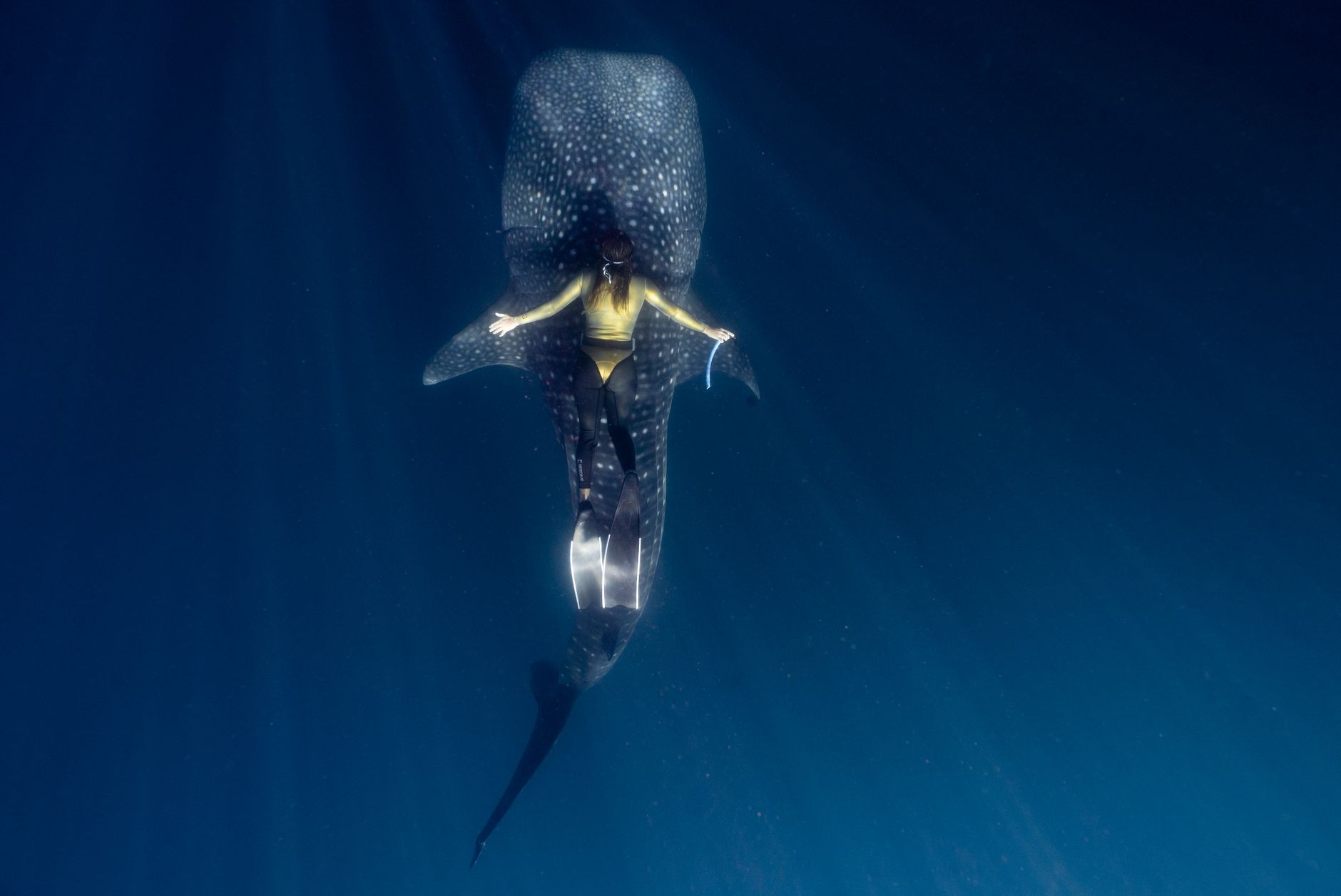
The Arabian Sea off Gujarat’s Saurashtra coast turns luminous each April through June, when whale sharks—the ocean’s gentle giants—arrive to feed on plankton blooms. Your private vessel departs from a secluded fishing village at dawn, marine biologists aboard who’ve tracked these migration patterns for decades. Unlike crowded snorkelling tours elsewhere, these India marine wildlife expeditions accommodate just four guests, allowing unhurried encounters with creatures reaching fifteen metres in length. You slip into warm waters alongside researchers documenting individual sharks through photographic identification, your presence contributing to citizen science databases that inform international protection protocols. The experience carries the weight of genuine discovery rather than orchestrated spectacle.
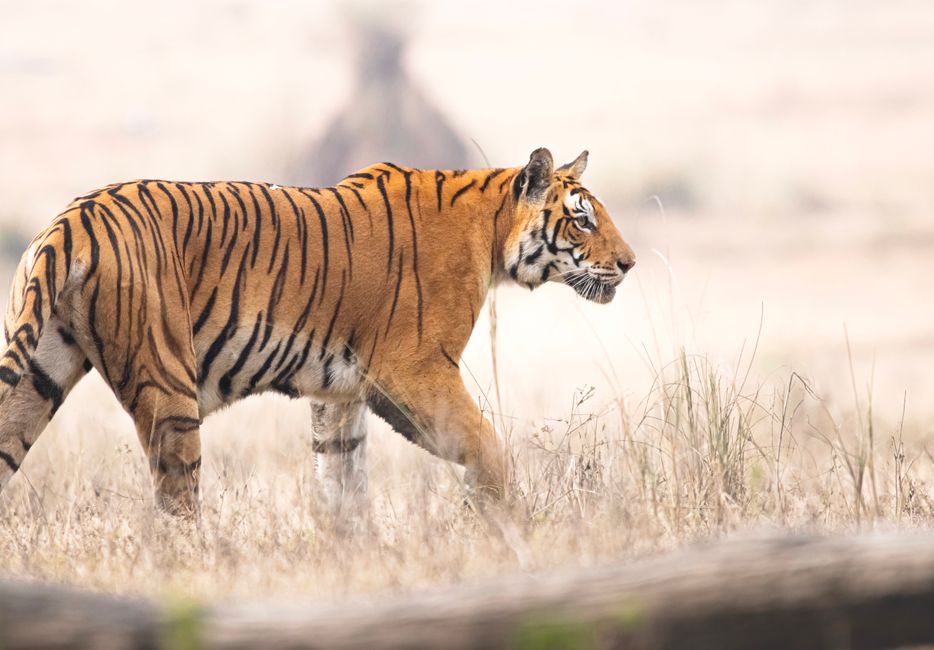
Further east, the Sundarbans delta presents wilderness at its most primal—the world’s largest mangrove forest where Royal Bengal tigers have evolved to swim between islands, hunting spotted deer through tidal channels. Private conservation lodges India partnerships provide access aboard custom-designed boats with forest department experts who navigate labyrinthine waterways at optimal tidal moments. You witness tigers emerging from dense Heritiera forests to patrol mudflats, their movements tracked through camera trap networks you’ll review each evening with resident ecologists. Unlike terrestrial tiger reserves, encounters here unfold across water, creating surreal tableaux of apex predators framed by tangled aerial roots and estuarine silence.
The Odisha coastline becomes theatre for one of nature’s most extraordinary spectacles each winter: the arribada, when hundreds of thousands of Olive Ridley sea turtles emerge simultaneously to nest on moonlit beaches. Private beach camps positioned near Rushikulya or Gahirmatha offer front-row witness to this phenomenon, with conservation specialists explaining the mysterious synchronicity that triggers mass nesting. You observe from carefully positioned blinds as ancient mariners drag themselves ashore, dig chambers in cool sand, and deposit clutches that will hatch sixty days hence. Later in the season, you may assist researchers during dawn patrols, documenting nests and protecting hatchlings on their perilous journey to the sea—participation that transforms observation into meaningful contribution.
The Andaman archipelago, rising from the Bay of Bengal five hundred kilometres from the mainland, shelters marine ecosystems found nowhere else on earth. Private dive expeditions to sites like Barren Island—India’s only active volcano—or the pristine reefs surrounding Havelock reveal manta rays performing barrel rolls through nutrient currents, dugongs grazing seagrass meadows, and reef sharks patrolling coral gardens. Your dive master is often a marine conservation specialist conducting research on endemic species, turning each descent into educational immersion. Surface intervals aboard your chartered vessel include discussions on reef restoration projects you can visit, where coral fragments are carefully nurtured in underwater nurseries before transplantation to damaged areas.
Himalayan Wildlife Sanctuaries: High-Altitude Private Conservation Experiences
In the stark valleys of Ladakh and Spiti, where altitude exceeds four thousand metres and oxygen thins perceptibly, snow leopards patrol territories encompassing hundreds of square kilometres. Tracking these phantom cats requires joining field biologists during winter months when prey animals descend and leopards become marginally more visible. Your exclusive nature experiences India base is a heated research camp where scientists studying predator-prey dynamics welcome guests who can handle extreme conditions. Days involve trekking across frozen screes with spotting scopes, searching for the flick of a thick tail or the characteristic scrape marks leopards leave on prominent rocks. When sightings occur—and they’re never guaranteed despite expertise—the encounter carries profound weight, knowing fewer than seven thousand of these cats survive globally.
Sikkim’s temperate forests cloak the eastern Himalayas in biodiversity richness, harbouring red pandas in moss-draped oak and rhododendron groves. Private conservation experiences here operate through boutique forest lodges partnered with panda research initiatives. Your specialist guide has spent years observing individual pandas, recognising them by facial markings and understanding their preferred feeding trees. Morning expeditions begin in pre-dawn darkness, positioning yourselves where bamboo groves meet canopy gaps—prime panda territory. Success brings the incomparable sight of these russet-furred creatures moving through branches with deliberate grace, occasionally descending to earth where their waddling gait seems impossibly endearing for a species whose genetic lineage stretches back millions of years.

The Great Himalayan National Park, a UNESCO World Heritage site in Himachal Pradesh, protects pristine alpine and sub-alpine ecosystems where Western Tragopan pheasants—birds so ornate they seem imagined—display during spring breeding season. Bespoke trekking expeditions with ornithologists who’ve spent careers studying Himalayan avifauna lead you through deodar forests and high meadows carpeted in primulas. Your luxury wildlife conservation experience includes forest department rest houses converted into comfortable base camps, where evenings involve reviewing the day’s sightings over single malt whisky while your guide explains the evolutionary pressures that created such spectacular plumage. Beyond tragopans, you may encounter Himalayan Monals—Nepal’s national bird—whose iridescent feathers shift from emerald to sapphire as they forage across scree slopes.
Uttarakhand’s wildlife estates blend heritage accommodation with serious conservation in landscapes where Himalayan brown bears emerge from hibernation each spring. Private properties positioned along forest edges offer exclusive encounters with musk deer, golden eagles riding thermal currents, and if fortune favours, the elusive koklass pheasant. Your days follow rhythms dictated by wildlife activity: dawn expeditions when bears forage for roots and insects, midday rest during the heat, and evening watches as barking deer emerge from sal forests. Resident naturalists share knowledge accumulated across generations, explaining how traditional land management practices created habitat mosaics that support extraordinary species density.
Grassland and Wetland Wilderness: India’s Overlooked Wildlife Theatre
Kaziranga National Park in Assam protects the world’s densest population of Greater One-Horned Rhinoceros—prehistoric-looking megafauna that graze vast alluvial grasslands flanked by the Brahmaputra River. Exclusive river lodges positioned along the park’s periphery offer private elephant-back safaris at dawn, when mist rises from wetlands and rhinos emerge from tall elephant grass like apparitions. Unlike vehicular safaris, elephant-back expeditions allow close proximity to these armoured giants, observing mud-bathing behaviour and maternal interactions unavailable from roads. Your naturalist explains conservation success stories—how Kaziranga’s rhino population recovered from double digits mid-century to over two thousand today through rigorous protection—while swamp deer and wild water buffalo complete scenes from the Pleistocene.
Gujarat’s Little Rann presents surreal landscapes: a vast salt desert flooded during monsoon, then baking into blindingly white plains studded with isolated vegetation islands. This unique ecosystem supports India’s only population of Wild Ass—khur in local dialect—and serves as winter home to millions of flamingos. Private desert camps offer expeditions timed to flamingo migrations, when shallow waters turn pink with feeding birds. Your expert guides navigate by GPS and traditional knowledge to khur herds, observing their remarkable speed and social structures. Evenings at camp bring traditional Rabari hospitality, these pastoral communities having coexisted with khur for centuries, their conservation ethics now protecting what remains of this fragile ecosystem.
Bharatpur’s Keoladeo Ghana National Park transforms each winter into avian paradise, welcoming migrants from Siberia, Central Asia, and Tibet. Private birding expeditions during peak season with India’s leading ornithologists reveal species diversity rivalling anywhere on earth—over three hundred bird species documented within this compact wetland. Your heritage palace accommodation in Bharatpur town provides colonial-era luxury, while days are spent in park hides observing Siberian Cranes (in historic years), Sarus Cranes performing elaborate dances, and painted storks nesting in vast colonies. The experience combines Victorian naturalist tradition with contemporary conservation science, your guide explaining how wetland management practices sustain this extraordinary biodiversity.
Rajasthan’s Blackbuck conservation estates protect India’s most elegant antelope across grassland sanctuaries where Great Indian Bustards—critically endangered with fewer than two hundred individuals remaining—find refuge. Private grassland safaris reveal blackbuck herds where dominant males display jet-black coats against tawny females, their spiral horns catching golden-hour light. Your accommodation within working conservation estates demonstrates how luxury tourism finances habitat protection and anti-poaching patrols. Encounters with resident conservationists reveal the delicate balance required to protect ground-nesting bustards from feral dogs, powerlines, and habitat fragmentation—challenges where every guest contribution supports preservation of species teetering at extinction’s edge.
Private Conservation Lodges: Where Luxury Meets Ecological Stewardship
The architecture of exceptional private conservation lodges India demonstrates that luxury and environmental responsibility need not conflict. Properties like these employ passive cooling, renewable energy, and minimal-footprint construction—stilted structures that allow wildlife movement beneath, or semi-subterranean designs that disappear into landscapes. Your suite overlooks waterholes or forest clearings where wildlife activity continues uninterrupted, camera traps positioned to capture nocturnal visitors you’ll review each morning with resident naturalists. These lodges function as research stations where guest experiences interweave with ongoing scientific work, from DNA sampling that informs population genetics to acoustic monitoring capturing tiger vocalisations across territorial ranges.
Staying within private wildlife corridors—estates that connect fragmented protected areas—transforms your holiday into conservation infrastructure. These properties maintain habitat linkages allowing genetic flow between isolated populations, their existence preventing inbreeding and local extinctions. Your safari drives traverse lands where leopards, elephants, and sloth bears move between national parks, utilising these private sanctuaries as safely as government reserves. Lodge managers explain conservation financing models where tourism revenue supports anti-poaching units, habitat restoration, and community wildlife protection programmes—your presence directly funding conservation outcomes measured in species recovery and reduced human-wildlife conflict.
Resident naturalists and field scientists at exceptional properties offer intellectual depth rarely found in conventional safari operations. Evening presentations cover current research projects—camera trap studies revealing previously unknown species densities, telemetry data tracking seasonal migrations, or behavioural observations that challenge established understanding. You may join naturalists during dawn patrols checking wildlife corridors, or accompany researchers servicing remote camera stations, or participate in prey species counts that inform predator population estimates. These experiences transform passive observation into active learning, your holiday enriched by genuine scientific engagement.
Nighttime ecology experiences available through private conservation lodges reveal wilderness most visitors never witness. After-dark safaris with spotlight and thermal imaging reveal nocturnal hunters—fishing cats stalking wetland edges, civets patrolling forest trails, or pangolins emerging from burrows to feed on termite mounds. Some properties offer camera trap monitoring sessions where you review footage captured overnight, identifying species by gait and behaviour. The night forest sounds different—alarm calls of spotted deer, territorial sawing of leopards, the almost mechanical call of nightjars—creating sensory immersion impossible during daylight hours when human presence dominates.
Orchestrating Your Bespoke Wildlife Journey
Designing exceptional wildlife journeys across India’s diverse ecosystems requires understanding how monsoon patterns affect accessibility, when migratory species arrive, which moon phases optimise marine encounters, and how altitude considerations affect Himalayan expeditions. Royal India Holidays creates multi-ecosystem itineraries that might move from Gujarat’s whale shark season directly to Ladakh’s snow leopard valleys, or combine Sundarbans mangrove expeditions with Sikkim’s red panda forests—logistics coordinated through private aviation, expert ground teams, and accommodation partnerships ensuring seamless transitions between radically different environments. We design according to your specific ecological interests: whether marine ecosystems fascinate you most, high-altitude species compel you, or grassland conservation represents your passion, your journey reflects those priorities with scientific depth and physical comfort calibrated precisely to your preferences.
Each wildlife experience we arrange includes pre-departure briefings with naturalists, recommended reading lists curated to your destinations, and ongoing communication with field experts monitoring real-time wildlife activity. We ensure you’re positioned where seasonal phenomena unfold—whale shark aggregations, turtle nesting events, snow leopard prey concentrations—through relationships with researchers and conservationists whose field knowledge determines success. Your journey becomes not a checklist of sightings but immersion into India’s ecological complexity, emerging with understanding that transforms how you perceive wilderness, conservation, and humanity’s role within natural systems.
When you’re ready to explore India’s extraordinary wildlife beyond conventional circuits, our specialists await your call. We’d be delighted to discuss how we might craft your perfect conservation journey.
Ready to Experience India?
Our specialists craft private journeys that go beyond the guidebook. Let us design your India.